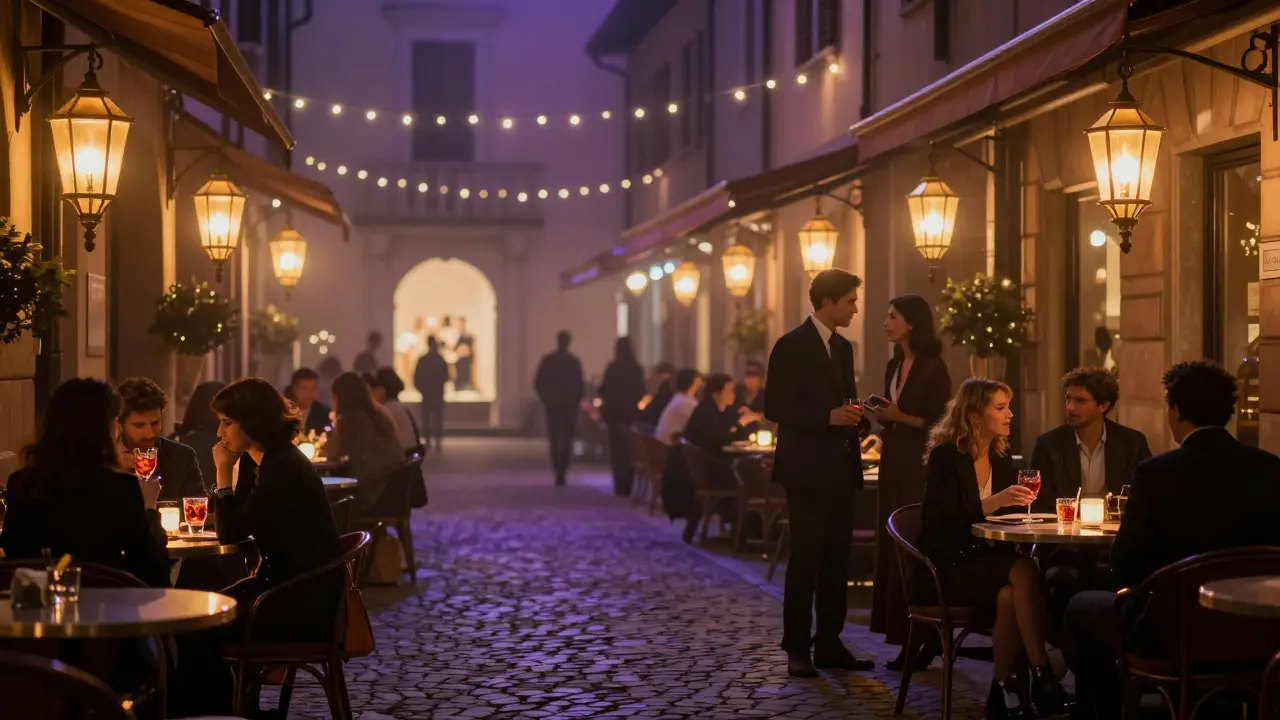
When the sun goes down in Milan, the city doesn’t sleep-it pulses.
Forget the quiet image of fashion shows and espresso bars. After 10 p.m., Milan transforms into one of Europe’s most electric nightlife scenes. You’ll find underground techno basements, rooftop lounges with skyline views, historic wine bars that stay open until dawn, and clubs where DJs spin until the sun rises. This isn’t just a night out-it’s a full sensory experience. And if you want to get it right, you need to know where to go, when to show up, and what to expect.
Brera: Where the Night Starts with a Glass of Prosecco
Brera is Milan’s answer to Paris’s Le Marais: cobblestone streets, art galleries, and a vibe that’s more sophisticated than wild. This is where professionals, artists, and well-traveled locals unwind before heading to the clubs. Start here if you want to ease into the night. Bar Basso is legendary for its Negroni Sbagliato-created right here in 1967. Order one at the bar, sit on the outdoor terrace, and watch the neighborhood come alive. The crowd here is older, quieter, and knows their wine. Don’t expect loud music or dancing. This is for sipping, talking, and feeling the city breathe.
Navigli: Canals, Cocktails, and Late-Night Energy
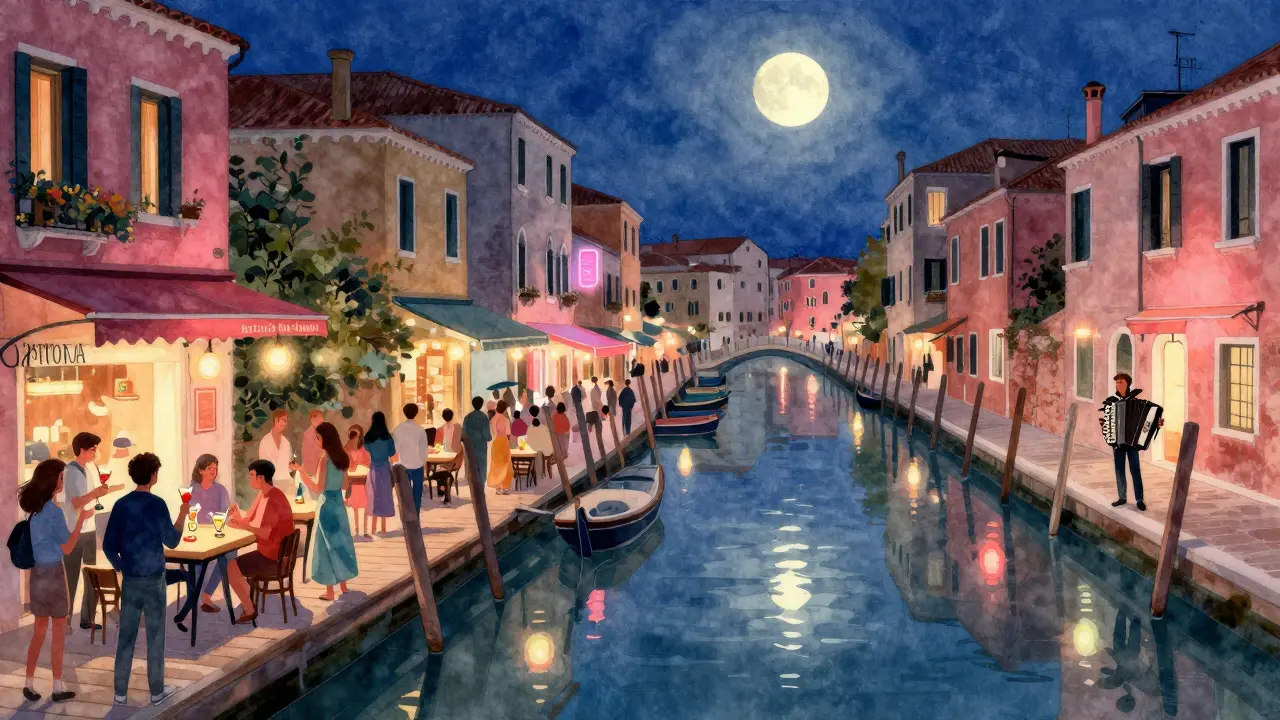
If Brera is the quiet opener, Navigli is the party that never ends. The canal-side district comes alive on weekends, especially Friday and Saturday. Dozens of bars spill onto the sidewalks, each with its own personality. Bar del Fico is a local favorite with craft cocktails and a backyard garden that feels like a secret. La Vineria del Naviglio serves natural wines by the glass and has live acoustic sets on weekends. Around midnight, the energy shifts. People move from bar to bar, grabbing snacks at Trattoria da Gianni-their mortadella sandwiches are a post-party staple. The vibe here is relaxed but buzzing. No dress code. No bouncers. Just good drinks and good company.
Porta Venezia: The Underground Beats
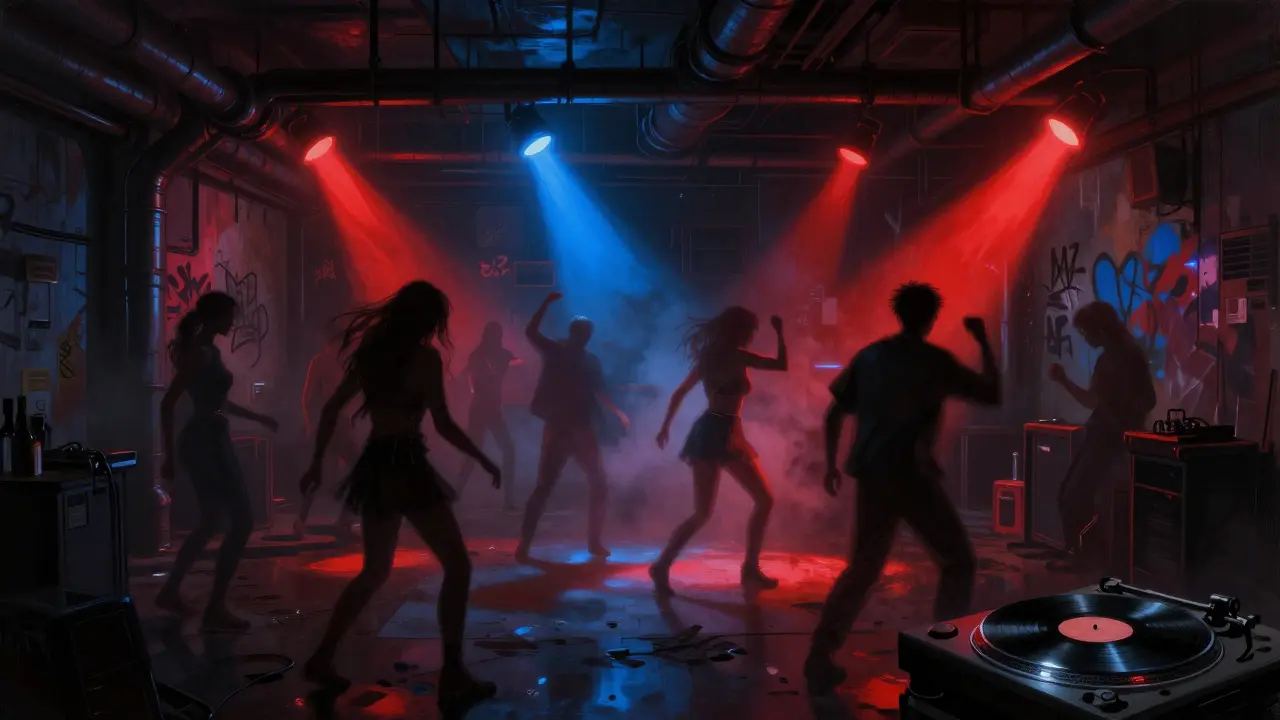
Head east to Porta Venezia if you’re looking for something raw, real, and unpolished. This neighborhood is Milan’s answer to Berlin’s Kreuzberg. Ex3 is a former factory turned cultural hub that hosts experimental music, queer parties, and art installations. It’s not a club-it’s a movement. The sound system is bass-heavy, the lighting is dim, and the crowd is diverse. You won’t find bottle service here. You’ll find people dancing like no one’s watching. Bar Basso is closed by now. Here, it’s Bar del Teatro that keeps things going with cheap beers and vinyl sets until 5 a.m. This is where Milan’s alternative scene lives. Come with an open mind. Leave with new friends.
Corso Como: Glamour, Music, and the Global Crowd
Corso Como is where Milan’s elite and international visitors collide. The area around Corso Como 10 is a lifestyle complex with a bar, restaurant, and club all under one roof. The club side-La Scala-isn’t the opera house. It’s a sleek, dimly lit space with a DJ booth that attracts names like Âme, Charlotte de Witte, and Tale Of Us. The crowd is stylish, international, and expects a certain energy. Cover charges start at €25 on weekends. Dress sharp: no sneakers, no hoodies. This is not the place to test your fashion boundaries. But if you want to see Milan at its most glamorous, this is it. The terrace has one of the best views of the city skyline after midnight.
Zone 1: The Secret Spots Only Locals Know
Most tourists never make it here. Zone 1, near Lambrate, is where Milan’s true night owls go when they’re done with the tourist traps. Alcova is a warehouse party space that opens only on select weekends. No website. No social media. You get the address via word of mouth or a friend’s DM. Expect industrial decor, live electronic acts, and a crowd that’s been partying since 10 p.m. and won’t stop until 8 a.m. Bar Pinti is a tiny, unmarked bar with a hidden back room where jazz and funk DJs spin on vinyl. No drinks cost more than €6. The owner knows your name by the third visit. This is Milan’s underground heartbeat. If you’re looking for authenticity, this is it.
What to Wear: Dress Code Reality Check
Don’t assume Milan is casual. Even in the grittier clubs, there’s an unspoken rule: look put together. In Brera and Corso Como, men wear dark jeans and a button-down. Women opt for sleek dresses or tailored pants. In Navigli, you can get away with a nice sweater and boots. In Porta Venezia and Zone 1, it’s more about attitude than brand names-clean sneakers are fine, but ripped jeans and tank tops won’t cut it at most venues. Bouncers here aren’t just checking IDs-they’re checking vibe. If you look like you rolled out of bed, you’ll wait outside while someone in a blazer walks right in.
When to Go: Timing Is Everything
Italians don’t party like Americans. Dinner ends at 10 p.m. The real night starts after 11. Clubs don’t fill up until 1 a.m. Arrive before midnight and you’ll be one of the first. Arrive at 2 a.m. and you’ll be in the thick of it. Sunday nights are surprisingly lively-many clubs stay open until dawn for after-parties. Weekends are packed. If you want to avoid lines, go on Thursday or Friday. Saturday is for the big names and long waits. And always carry your ID. Even if you look 30, they’ll ask for it.
How Much Will It Cost?
Drinks in Brera and Corso Como: €12-€18 for a cocktail. In Navigli: €8-€12. In Porta Venezia and Zone 1: €5-€7 for a beer or spritz. Cover charges range from €0-€25. Most clubs don’t charge before 1 a.m. But if you’re going to La Scala or a headline DJ night, expect €20-€40. Skip the tourist traps near Duomo-they charge double for watered-down drinks. Stick to the neighborhoods listed here. You’ll get better drinks, better music, and better memories.
What to Do After the Club Closes
Some places close at 3 a.m. Others don’t shut until 6. If you’re still awake and craving food, head to Trattoria Da Vittorio in the Brera area-they serve pasta until 4 a.m. on weekends. Or grab a coffee at Caffè Cova, open 24/7. It’s a Milan institution. Order a cappuccino and a cornetto. You’ll see models, artists, and taxi drivers all sharing the same counter. It’s the perfect way to wind down-or gear up for another round.
Final Tip: Don’t Rush It
Milan’s nightlife isn’t about checking off clubs. It’s about wandering, discovering, and letting the night guide you. One night you might start in Brera, end in Navigli. Another, you might find yourself dancing in a basement under a train bridge in Zone 1. There’s no itinerary. No must-do list. Just good music, good people, and a city that knows how to stay alive after dark.
Is Milan nightlife safe for tourists?
Yes, Milan’s nightlife areas are generally safe, especially in well-lit, popular districts like Brera, Navigli, and Corso Como. Avoid isolated streets after 3 a.m., and don’t carry large amounts of cash. Stick to busy areas, use licensed taxis or Uber, and keep your phone charged. Pickpocketing can happen in crowded clubs, so keep valuables secure. Overall, it’s safer than many other European cities at night.
What’s the best night to go out in Milan?
Friday and Saturday are the busiest, with the biggest crowds and best DJs. But if you want a more relaxed vibe with easier entry, go on Thursday. Many clubs host special events on Thursdays to build momentum for the weekend. Sunday nights are surprisingly great too-after-parties and underground sets run until sunrise with fewer people and lower cover charges.
Can I get into clubs without a reservation?
Most clubs in Milan don’t require reservations unless it’s a special event or a big-name DJ night. For regular nights, showing up before 1 a.m. gives you the best chance of getting in without waiting. Popular spots like La Scala or Ex3 may have lines after midnight, but you won’t be turned away if you dress appropriately and aren’t intoxicated. Walk-ins are common-it’s part of the culture.
Are there any clubs that play Italian music?
Yes, especially in Navigli and Porta Venezia. Bars like La Vineria del Naviglio and Bar Pinti often feature Italian indie, disco, and classic pop from the 70s and 80s. On Friday nights, some venues host "Italian Night" with DJs spinning tracks from artists like Mina, Eros Ramazzotti, and Gianna Nannini. It’s a fun, nostalgic twist you won’t find in most tourist guides.
What’s the legal drinking age in Milan?
The legal drinking age in Italy is 18. You’ll be asked for ID at most clubs and bars, even if you look older. Bring a passport or EU ID card-driver’s licenses from outside the EU are sometimes not accepted. Don’t rely on your appearance to get you in. Always carry valid photo ID.
Is there a dress code for all Milan clubs?
Not all, but most upscale and popular clubs do. Corso Como, La Scala, and even some mid-tier venues expect smart casual: no shorts, flip-flops, or sportswear. In underground spots like Ex3 or Bar Pinti, the dress code is relaxed but still requires clean, intentional style. Think: dark jeans, a nice shirt, clean shoes. It’s not about being rich-it’s about showing respect for the space and the people there.
Next Steps: How to Plan Your Night
Start by picking one neighborhood to explore. Brera for drinks, Navigli for bars, Porta Venezia for beats, Corso Como for glamour, Zone 1 for secrets. Use Google Maps to save the spots you want to try. Don’t try to hit more than three venues in one night-quality beats quantity. Walk between places. Talk to bartenders. Ask locals where they’re going next. That’s how you’ll find the real gems. And if you wake up with a headache and a new playlist? You did it right.
Caspian Beauchamp
Hello, my name is Caspian Beauchamp, and I am an expert in the world of escort services. With years of experience in the industry, I have developed a deep understanding of the dynamics and nuances of escort services in various cities. My passion for writing has led me to share my insights and knowledge through articles and blog posts, helping others navigate the world of companionship and pleasure. I pride myself on providing honest, accurate, and engaging content that appeals to a wide range of readers. Join me as I explore the fascinating world of escorts and the unique experiences they offer in cities around the globe.