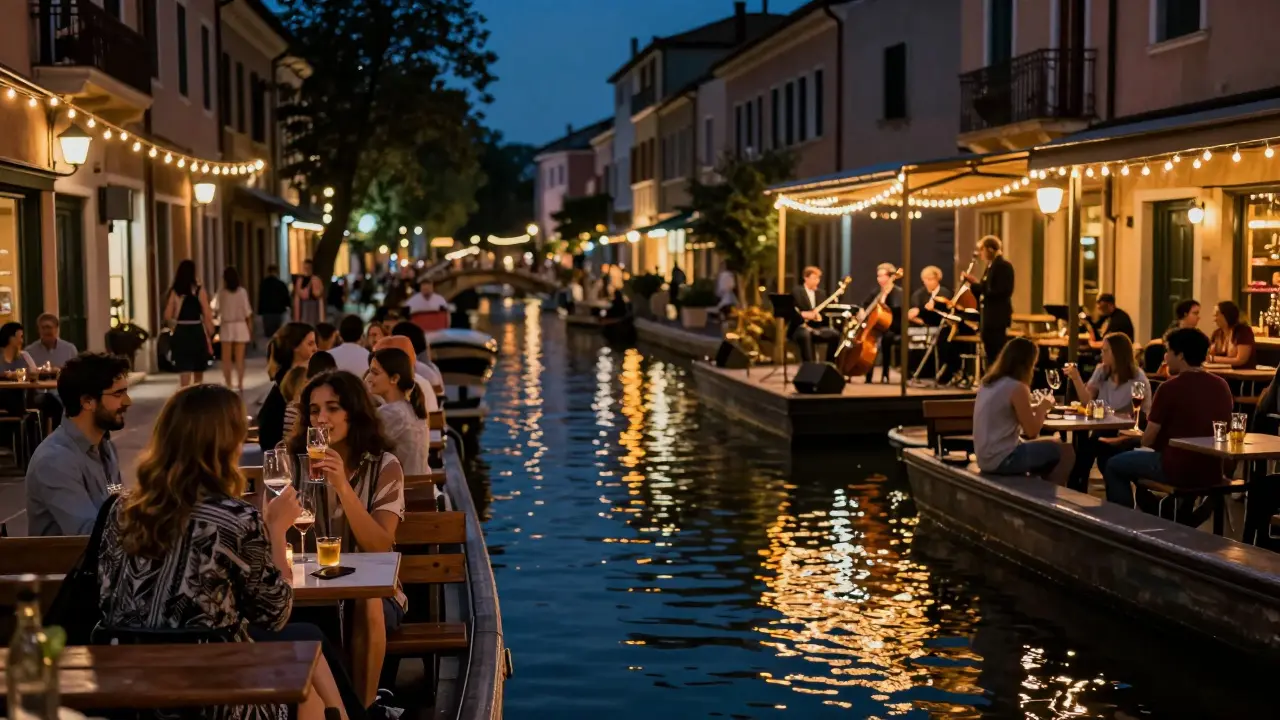
When the sun sets in Milan, the city doesn’t sleep-it shifts. The same streets that buzz with designers and shoppers by day become a rhythm of live music, clinking glasses, and late-night conversations under string lights. This isn’t just a city that has nightlife. It’s a city that lives for it.
Where the Night Begins: Navigli
If you’re looking for the heartbeat of Milan’s after-dark scene, head to Navigli is a canal-side district once used for transporting goods, now transformed into Milan’s most vibrant nightlife hub. By 8 p.m., the canals are lined with locals sipping Aperol spritzes on wooden benches. By midnight, it’s a parade of people moving from one open-air bar to the next. Navigli 1 and Navigli 2 each have their own flavor: Navigli 1 leans artsy, with jazz bands and indie DJs; Navigli 2 is louder, packed with students and tourists dancing to house and techno.
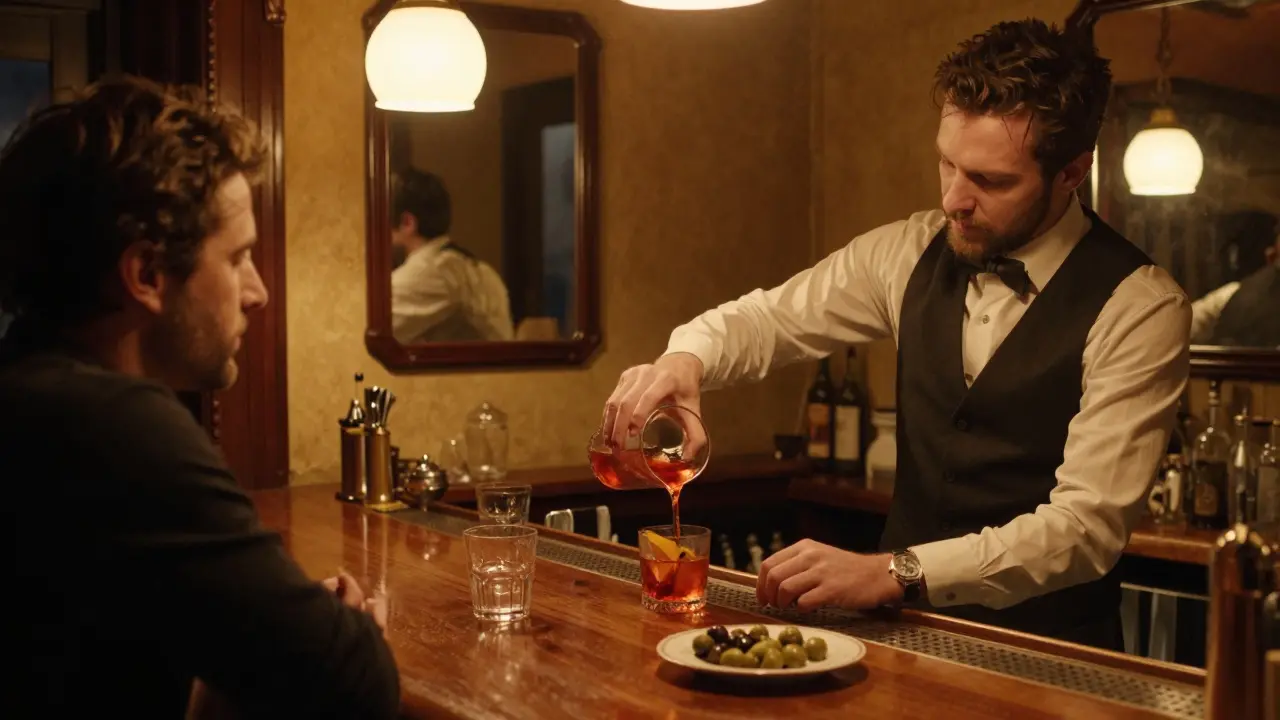
Don’t miss Caffè del Naviglio is a historic spot that opened in 1958 and still serves the best negroni in the district. Or try La Cucina del Naviglio is a tiny wine bar with 80 bottles of Italian natural wine, all under €12 a glass. The vibe here isn’t about luxury-it’s about connection.
Clubbing Like a Local: The Underground Scene
Milan’s club scene doesn’t live in glittering lobbies. It hides in warehouses, former factories, and basement rooms. If you want to feel what real Milanese nightlife feels like, skip the tourist-heavy clubs and find the ones locals whisper about.
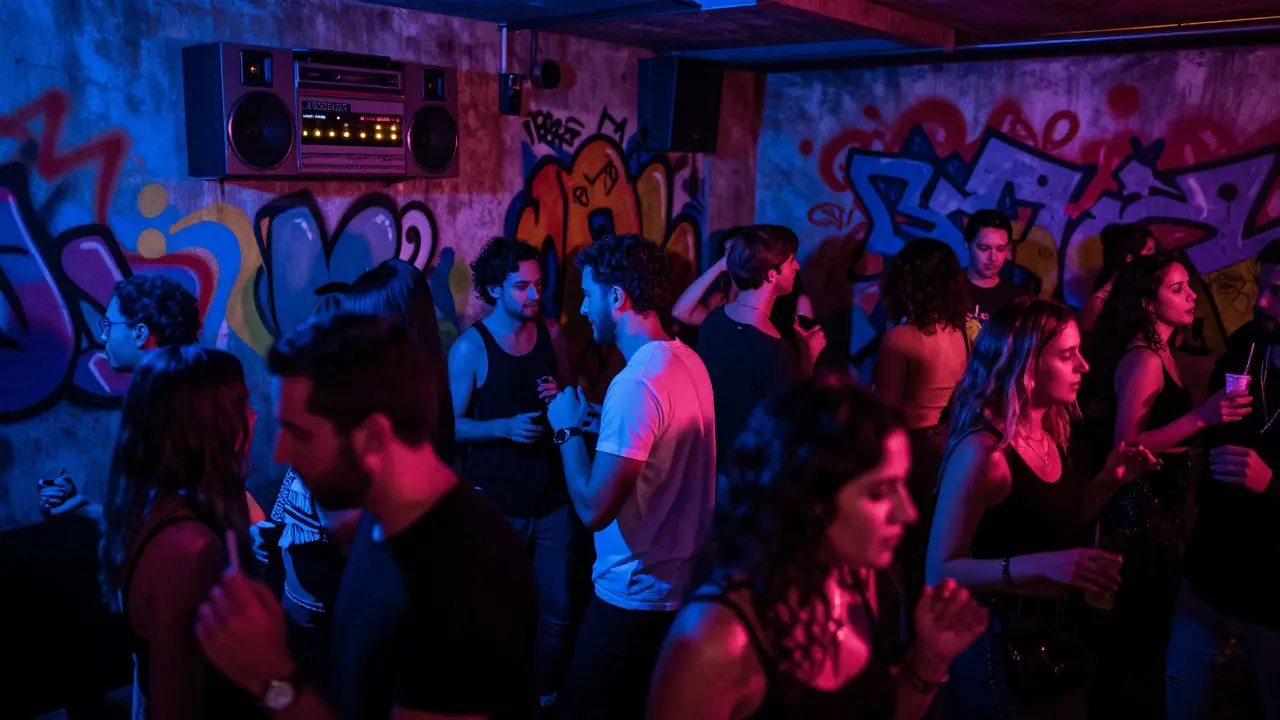
Bocconi is a former university building turned into a multi-room club that plays everything from deep house to experimental techno. Entry is usually €10 after midnight, and you’ll find students, artists, and fashion insiders all packed together. The sound system? Built by a local engineer who used to work for a Milanese opera house. The lighting? Hand-painted by a graffiti crew from Brera.
Another hidden gem: La Scala Club is not affiliated with the opera house, but named after it. It’s a 300-capacity room with no sign, no website, and a door that only opens after 1 a.m. if you know the code. The code changes weekly. Ask someone at Navigli after 11 p.m.-they’ll tell you.
The Aperitivo Ritual: More Than Just Drinks
Before the clubs open, Milan does something no other city does quite like: the aperitivo is a daily ritual where a drink (usually a spritz or gin and tonic) comes with a buffet of snacks so generous it counts as dinner. It’s not a happy hour. It’s a social institution.
Try Circolo degli Artisti is a 1970s-style lounge in Porta Venezia where the aperitivo includes mini arancini, truffle crostini, and homemade focaccia. You pay €15, and you eat like you’re at a five-star restaurant. The crowd? Young professionals, architects, and fashion editors who’ve just finished work. The music? Italian vinyl from the 80s.
For a more modern take, Bar Basso is the birthplace of the Negroni Sbagliato and still serves it the original way-with sparkling wine instead of gin. It’s been around since 1955, and the same bartender has been working there since 1987. You’ll wait 20 minutes to get in. It’s worth it.
Live Music and Jazz: Where Milan’s Soul Speaks
Milan doesn’t just have clubs. It has rooms where music is treated like a religion. Jazz, soul, and experimental sounds thrive here.
Jazz Club Milano is a basement venue under a 19th-century palazzo that hosts nightly sets from rising Italian jazz artists and touring Americans. No cover charge before 10 p.m. The sound? Pure. The vibe? Reverent. You’ll hear a 22-year-old pianist from Bologna play a solo that leaves the room silent for 15 seconds.
For something more electric, L’Officina is a warehouse space in Lambrate that blends live electronic music with visual art projections. It’s open only on weekends. The crowd is mixed-designers, coders, poets, and travelers. The walls pulse with color. The bass shakes your chest. You won’t leave until sunrise.
What to Wear: Milan’s Unwritten Dress Code
Milan doesn’t have a strict dress code. But it has a vibe. You don’t need to wear Gucci to get in. But you’ll stand out if you show up in sweatpants and sneakers.
Men: Dark jeans, a fitted shirt or slim sweater, and clean leather shoes. A blazer? Optional, but always appreciated.
Women: A little black dress, tailored trousers, or a silk top with boots. No flip-flops. No oversized hoodies.
Why? Because Milanese nightlife isn’t about showing off wealth. It’s about showing care. Every detail matters-the cut of your coat, the way your perfume lingers, the polish on your shoes. It’s not elitist. It’s intentional.
When to Go: Timing Is Everything
Milan doesn’t start at 10 p.m. It starts at 11. And it doesn’t end until 4 a.m.
- 8-10 p.m.: Aperitivo time. Cafés fill up. Tables spill onto sidewalks.
- 10:30-12 a.m.: Transition. Bars get louder. People move from Navigli to the city center.
- 12-2 a.m.: Club peak. Bocconi, La Scala Club, and L’Officina are packed.
- 2-4 a.m.: The after-party. Underground bars open. Coffee shops serve espresso with prosecco.
Plan your night around this rhythm. Arrive too early? You’ll be the only one. Arrive too late? You’ll miss the best sets.
How to Stay Safe and Smart
Milan is one of Europe’s safest cities for nightlife. But like anywhere, a few rules help:
- Keep your bag zipped and in front of you. Pickpockets target distracted crowds in Navigli.
- Use the metro after 1 a.m. The last train on Line 1 leaves at 1:30 a.m. from Cadorna.
- Don’t follow strangers into alleyways. Even in Milan, some doors shouldn’t be opened.
- Carry cash. Many small bars and clubs don’t take cards.
Most importantly: drink water. Milanese cocktails are strong. You’ll feel it by 2 a.m. if you don’t.
Final Tip: Ask Locals
The best night in Milan isn’t found on a blog. It’s found in a conversation.
Ask the bartender at Bar Basso where they go after their shift. Ask the waiter at a Navigli restaurant where their friends hang out. Ask a student from Bocconi University what’s happening tonight. You’ll get answers no app can give you.
Milan’s nightlife isn’t about checking off venues. It’s about the moments between them-the laughter at 3 a.m., the stranger who becomes a friend over a shared negroni, the sunrise over the canal when the music finally stops.
Go slow. Stay curious. Let the city lead you.
What’s the best time of year to experience Milan nightlife?
Spring (April-June) and early fall (September-October) are ideal. The weather is mild, outdoor bars are full, and festivals like the Milan Design Week in April bring extra energy. Summer can be hot and crowded, while winter nights are quieter but still alive-especially around Christmas markets and New Year’s Eve.
Are clubs in Milan expensive?
Not necessarily. Most clubs charge €10-15 at the door, and many have no cover before midnight. Aperitivo is usually €12-18 and includes food. High-end lounges like Armani Privé or Pirelli HangarBicocca events can cost €30-50, but they’re exceptions. The real value is in the local spots-small bars, hidden clubs, and jazz rooms where you pay less and get more.
Do I need to speak Italian to enjoy Milan nightlife?
No. English is widely spoken in bars and clubs, especially in Navigli and the city center. But learning a few phrases-"Un aperitivo, per favore," "Dove si balla qui?"-goes a long way. Locals appreciate the effort. And sometimes, the best conversations happen when words are few and smiles are many.
Is it safe to walk around Milan at night?
Yes, Milan is one of the safest major European cities for nighttime walking. Areas like Navigli, Brera, Porta Venezia, and the city center are well-lit and patrolled. Avoid isolated side streets near the train station after midnight. Stick to busy routes. Use the metro if you’re tired. Most locals walk home alone at 3 a.m.-you can too.
What’s the difference between a bar and a club in Milan?
Bars focus on drinks, conversation, and atmosphere. They’re where you sip an aperitivo or listen to jazz. Clubs are for dancing, loud music, and late nights. They usually have a DJ, a dance floor, and a door policy. Many places in Milan blur the line-like Bocconi, which starts as a bar and turns into a club after midnight. The key? Go where the energy takes you.
Next time you’re in Milan, don’t just look for nightlife. Live it. Let the rhythm of the city pull you in-not because you planned it, but because you couldn’t help it.
Caspian Beauchamp
Hello, my name is Caspian Beauchamp, and I am an expert in the world of escort services. With years of experience in the industry, I have developed a deep understanding of the dynamics and nuances of escort services in various cities. My passion for writing has led me to share my insights and knowledge through articles and blog posts, helping others navigate the world of companionship and pleasure. I pride myself on providing honest, accurate, and engaging content that appeals to a wide range of readers. Join me as I explore the fascinating world of escorts and the unique experiences they offer in cities around the globe.