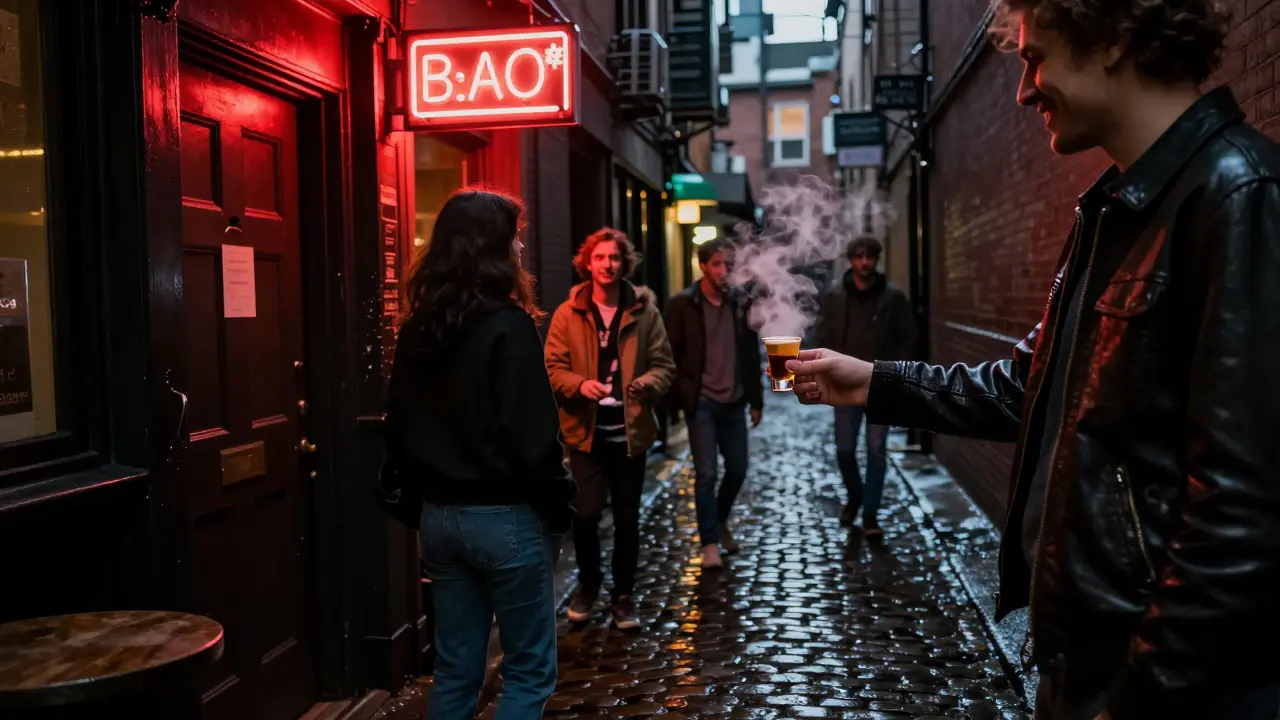
London doesn’t sleep. Not really. By 11 p.m., most cities are winding down. But in London, the real party is just getting started. If you’ve ever walked through Soho at 2 a.m. and seen a line snaking out of a basement bar while someone in a leather jacket hands out free shots, you know what I mean. This isn’t just about drinking. It’s about the rhythm of the city after dark - the music, the people, the energy that only London seems to pull out of thin air.
Where the locals actually go
Forget the tourist brochures. The clubs listed in every “Top 10 London Nightlife” article? Most of them are packed with out-of-towners paying £15 for a pint of lager. Locals know better. The real scene lives in hidden alleys, unmarked doors, and basement rooms with no sign but a single red light.
Start in Soho. It’s still the heartbeat. But skip the flashy pubs on Shaftesbury Avenue. Head to The French House - a tiny, dimly lit pub that’s been around since 1894. It’s where artists, musicians, and poets have drunk since the 1960s. No music, no neon, just a room full of people talking loudly over gin and tonics. It’s the kind of place where you’ll end up in a 45-minute conversation with a retired jazz drummer who used to play with Miles Davis.
Then, cross over to Shoreditch. This used to be a gritty corner of East London. Now it’s a playground for creatives. But the real magic? The pop-up bars. On any given Friday, you might stumble into a speakeasy hidden behind a fridge in a laundrette, or a rooftop bar built from recycled shipping containers. Bar Termini is a classic - small, loud, and always full of people who work in fashion, film, or tech. They serve Negronis so good you’ll forget you’re standing in a 100-year-old former factory.
Clubbing like a Londoner
London’s club scene isn’t about big names. It’s about sound, vibe, and surprise. You don’t go to a club because it’s famous. You go because someone whispered, “Go to this place on Thursday. The DJ’s from Berlin. He only plays vinyl.”
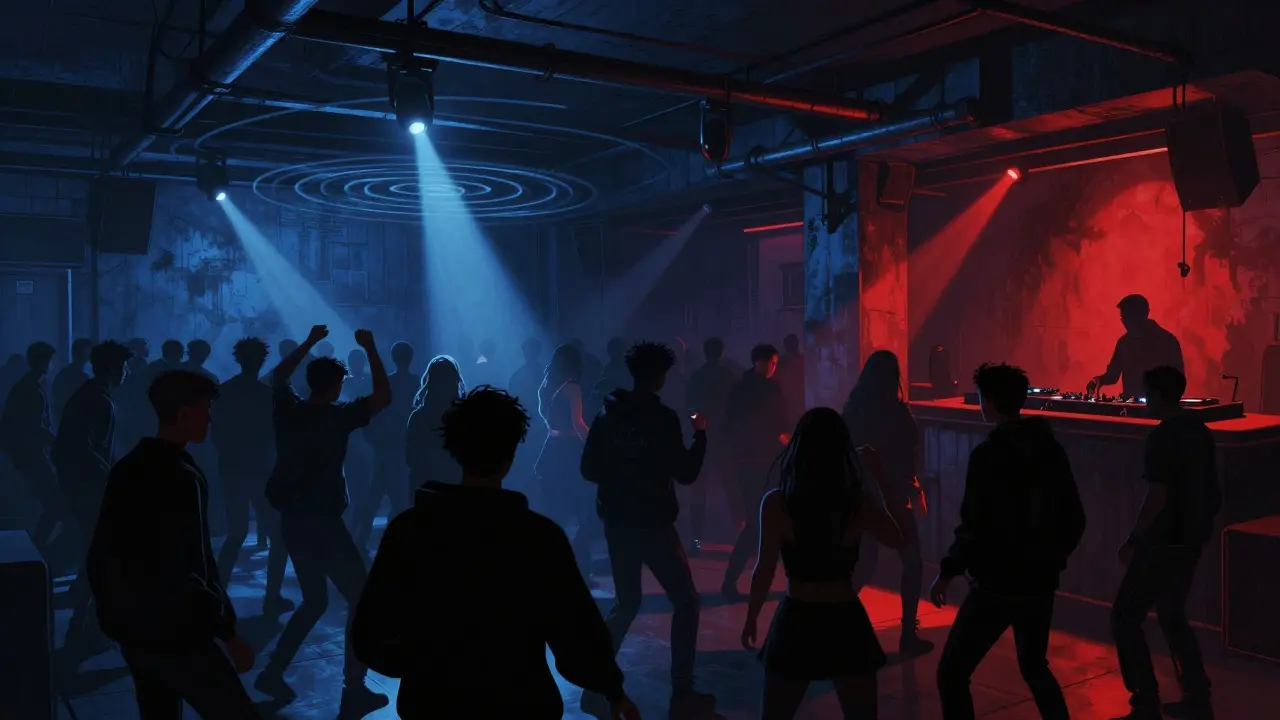
Fabric is the one everyone knows. And yes, it’s still the best. The bass hits like a physical force. The crowd? Mostly locals in black hoodies, no phones, no posing. Just dancing. It’s open until 5 a.m. on weekends. The door policy? Strict. But not because they’re snobby - because they’re trying to keep the energy pure. No VIP sections. No bottle service. Just music and movement.
For something more underground, try Printworks in Rotherhithe. It’s in a disused printing factory. The walls are raw concrete. The sound system? Custom-built by engineers who refuse to use digital. They play techno, house, and experimental bass music. You won’t hear a single pop song. But you’ll leave with your ears ringing and your chest vibrating. It’s not a club. It’s a sonic experience.
And then there’s The Windmill in Brixton. It’s the birthplace of punk. Still runs on a shoestring budget. You pay £5 to get in. The bar is two taps and a fridge. The DJs? Mostly local students who play everything from jungle to garage to lo-fi hip-hop. It’s chaotic. It’s loud. It’s the most honest night out in the city.
Drinks that matter
London’s cocktail scene isn’t about fancy garnishes. It’s about craft. And history. And knowing which bar has the best Old Fashioned in the city - and why.
The American Bar at the Savoy? It’s legendary. But if you want to feel like a local, go to Bar 43 in Notting Hill. It’s tiny. No menu. Just a bartender who asks, “What’s your mood?” Then makes you something you didn’t know you needed. Maybe a mezcal sour with smoked honey. Or a gin fizz with lavender bitters. They don’t charge extra for creativity.
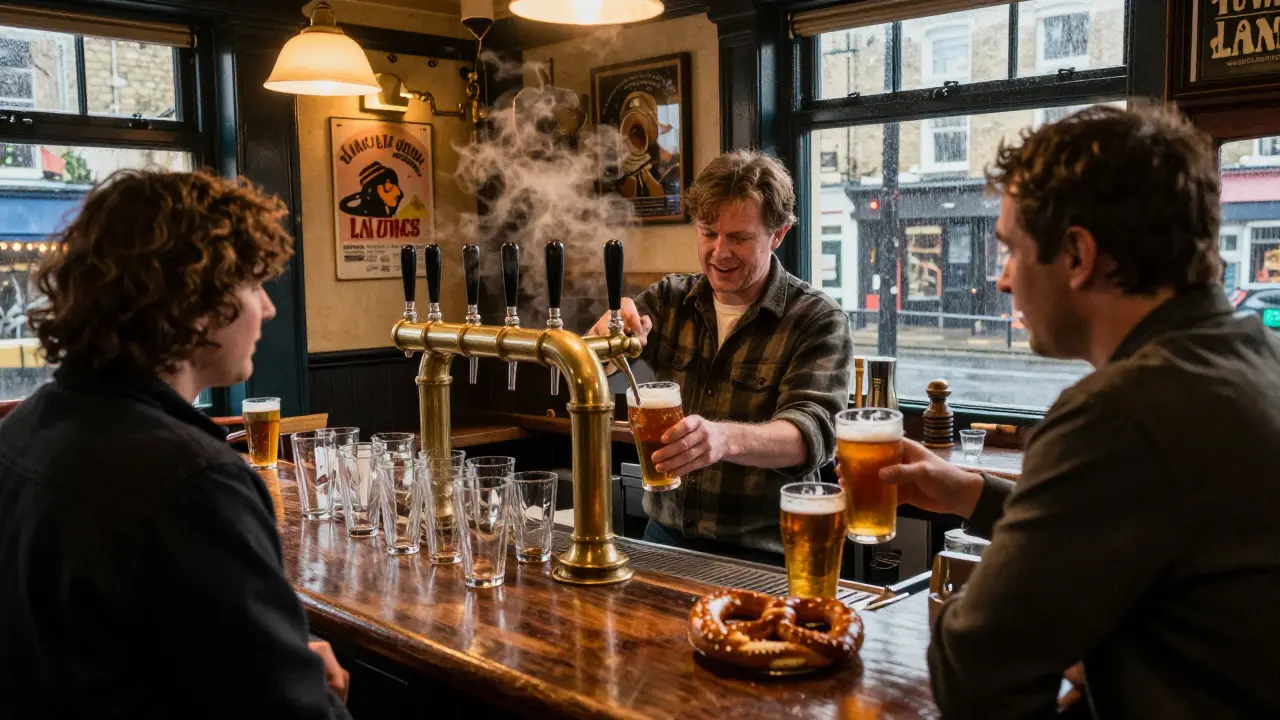
For beer lovers, skip the mainstream pubs. Head to Camden’s The Old Blue Last. It’s a no-frills, 1970s-style pub with 12 taps pouring real ales from small breweries across the UK. The staff know every brewer’s name. They’ll tell you which one’s just been brewed that morning. You’ll leave with a new favorite and a better understanding of British brewing.
Late-night eats
After dancing for hours, you’ll be hungry. But don’t go to a chain. London’s best late-night food is simple, spicy, and cheap.
In Wembley, there’s a 24-hour kebab shop called King of Kebab. It’s not fancy. But the meat is marinated overnight. The sauce? Homemade. The line? Always there. Locals say it’s the only place that doesn’t skimp on the garlic. Order it with chips and a side of pickled peppers. You’ll eat it standing up at 4 a.m. and still remember it a year later.
Or head to Peckham for Wahaca’s taco truck. It’s parked outside a nightclub. You can get a spicy pork taco for £4.50. The salsa is made fresh every hour. It’s the perfect cure for a night of too much tequila.
What to avoid
There are traps. Don’t fall for them.
- Don’t go to Wagamama at 2 a.m. thinking it’s “cool.” It’s a restaurant with a neon sign. It’s not nightlife - it’s a meal with background music.
- Avoid clubs with “VIP” signs. They’re usually overpriced, underwhelming, and full of people trying to look rich.
- Don’t rely on Uber after 3 a.m. The surge pricing is brutal. Use the Night Tube - it runs Friday and Saturday nights on the Central, Victoria, Jubilee, Northern, and Piccadilly lines. It’s safe, cheap, and reliable.
- Never go to a club without checking the lineup. Some places book “DJ X” on paper, but it’s just a trainee spinning Spotify playlists. Look for real names. Check Instagram. Ask someone who’s been there.
When to go
London’s scene changes with the seasons.
- Summer (June-August): Rooftop bars explode. Try Sky Garden - free entry, 360-degree views, cocktails under the stars.
- Autumn (September-November): The music festivals return. Not just big ones like Wireless. Smaller ones like Lovebox and Field Day have after-parties in warehouses. These are the ones locals talk about for months.
- Winter (December-February): Bars get cozier. The Nightjar in Shoreditch does themed nights - jazz, swing, or silent disco. The drinks are warm. The atmosphere? Intimate.
- Spring (March-May): The city wakes up. New clubs open. New DJs emerge. This is the best time to explore. The crowds are thin. The energy is fresh.
What makes London different
Other cities have nightlife. London has layers.
You can start the night in a jazz bar in Mayfair, dance until dawn in a warehouse in Hackney, grab a kebab in Brixton, and end up in a karaoke room in Camden at 6 a.m. - all in one night. No other city lets you do that so easily.
It’s not about luxury. It’s about access. A 20-year-old student can walk into Fabric and dance next to a 50-year-old record producer. A Nigerian immigrant runs a bar in Peckham that serves Nigerian stew with cocktails. A queer collective hosts a monthly party in a disused church. London doesn’t police its nightlife. It lets it grow.
That’s why, after 15 years of visiting, I still find something new every time. Because London doesn’t just have a nightlife. It has a thousand of them - each one alive, messy, and real.
What’s the best night to go out in London?
Friday and Saturday are the busiest, but they’re also the most crowded. For the best mix of energy and space, aim for Thursday. Many clubs host special events on Thursdays - underground DJs, themed nights, or debut sets. The crowds are smaller, the drinks are cheaper, and the vibe is more authentic. If you’re looking to feel like a local, not a tourist, Thursday is your day.
Is London nightlife safe at night?
Yes, but you need to be smart. London has one of the lowest violent crime rates among major global cities. The police presence is visible in nightlife zones, and the Night Tube runs safely on weekends. Stick to well-lit areas. Avoid walking alone through parks after midnight. Use trusted transport like the Night Tube or licensed black cabs. Most clubs have security staff trained to handle issues quickly. If something feels off, trust your gut - and leave.
Do I need to dress up for London clubs?
Not really. London clubs don’t have strict dress codes - except maybe a few high-end venues in Mayfair. In most places, clean jeans, a good shirt, and clean sneakers are fine. No flip-flops. No tracksuits. No sportswear. The rule is simple: look put-together, not flashy. Locals dress to move, not to impress. If you’re overdressed, you’ll stand out. If you’re underdressed, you might get turned away. Stick to smart casual.
Can I get into clubs without a reservation?
Absolutely. Most clubs in London don’t require bookings unless it’s a special event. Just show up. The key is timing. Get there before midnight for the best chance of getting in. After 1 a.m., lines form. Some places use bouncers who pick based on vibe, not looks. If you’re calm, confident, and not drunk, you’ll usually get in. Don’t argue. Don’t push. Just smile and wait.
What’s the average cost of a night out in London?
You can have a full night out for £30-£50 if you’re smart. A £7 drink, £5 entry, £4 kebab, and a £10 Night Tube ticket gets you from 9 p.m. to 5 a.m. If you want cocktails, club entry, and a fancy dinner, it’ll be £80-£120. The key is balance. Skip the £18 cocktails. Go for the £6 beer. Skip the £25 entry. Go for the £5 club. You’ll have more fun and remember it longer.
London’s nightlife doesn’t need a brochure. It doesn’t need a hashtag. It just needs you to show up - curious, open, and ready to move with the city.
Caspian Beauchamp
Hello, my name is Caspian Beauchamp, and I am an expert in the world of escort services. With years of experience in the industry, I have developed a deep understanding of the dynamics and nuances of escort services in various cities. My passion for writing has led me to share my insights and knowledge through articles and blog posts, helping others navigate the world of companionship and pleasure. I pride myself on providing honest, accurate, and engaging content that appeals to a wide range of readers. Join me as I explore the fascinating world of escorts and the unique experiences they offer in cities around the globe.