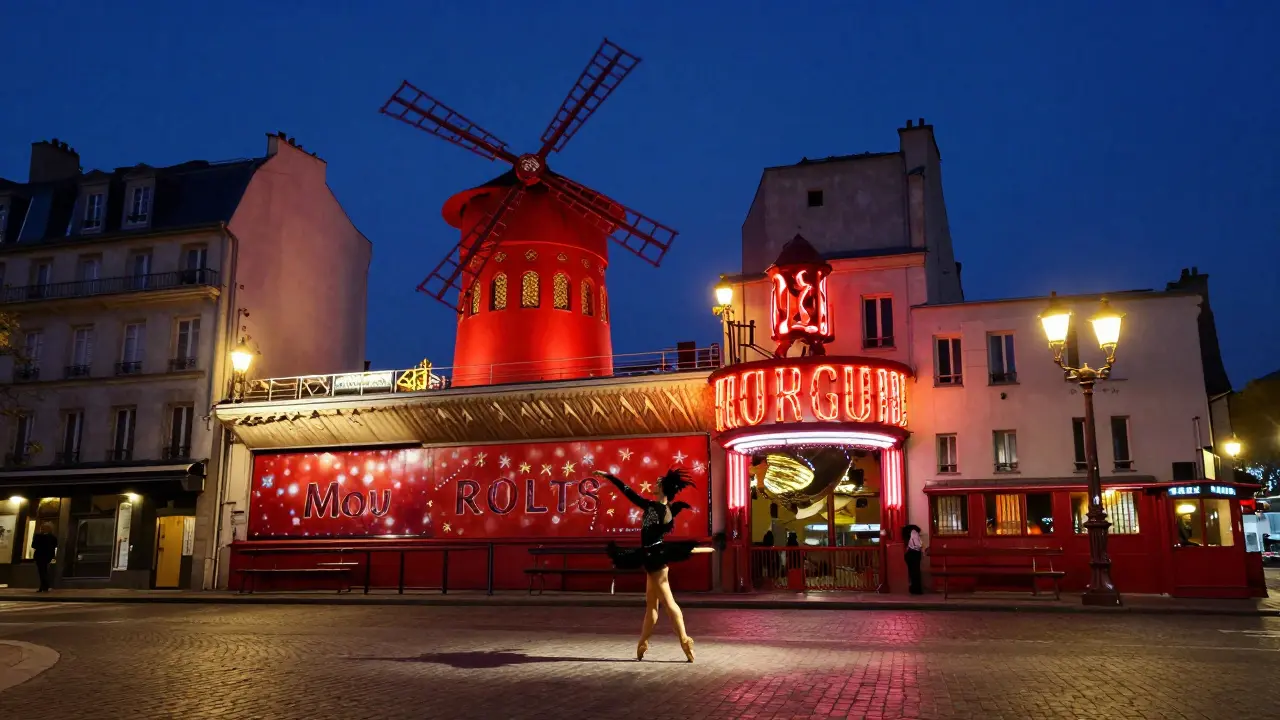
Paris doesn’t sleep. Not really. While the Eiffel Tower glows in the dark and the Seine reflects the city’s neon signs, a different kind of energy takes over after midnight. This isn’t just about drinking or dancing-it’s about rhythm, history, and belonging. Parisian nightlife isn’t a scene you stumble into. It’s a layered experience, shaped by a century of artists, rebels, poets, and late-night workers who turned shadows into culture.
The Cabaret Legacy: Where Art and Rebellion Met
You can’t talk about Paris nightlife without starting at the cabarets. The Moulin Rouge, opened in 1889, wasn’t just a place to see can-can dancers. It was a social revolution. At a time when women from working-class backgrounds had few freedoms, the cabaret stage gave them power, visibility, and pay. The red windmill still spins over Montmartre, and the shows today are polished, but they carry that same spirit. Tickets start at €85, and you’ll see why-costumes, live orchestras, and performers who’ve trained for years to nail every kick and grin.
But Moulin Rouge isn’t alone. Le Lido, La Cigale, and even smaller venues like Le Comptoir Général still host live acts that mix burlesque, jazz, and experimental theater. These aren’t tourist traps. They’re living museums. Many performers have backgrounds in circus schools or Parisian conservatories. One dancer at Le Lido told me she trained for six years before her first show. That kind of dedication doesn’t happen in a place that doesn’t value art.
The Late-Night Café: Where Time Slows Down
After the cabarets close, the real Parisians head to the cafés. Not the ones with outdoor umbrellas on the Champs-Élysées. The hidden ones. The places where the espresso is strong, the chairs are worn, and the waiters know your name by the third visit.
Le Procope, founded in 1686, is the oldest café in Paris. It still serves coffee the same way Voltaire drank it-black, bitter, and served in porcelain. But modern late-night spots like Café de l’Homme in the 14th arrondissement or Le Bar à Vin in the 11th stay open until 3 a.m., sometimes later. These aren’t clubs. They’re sanctuaries. You’ll find students finishing essays, writers scribbling in notebooks, and elderly couples sharing a bottle of wine with no music playing. The silence here is intentional. No loudspeakers. No flashing lights. Just the clink of glasses and the murmur of quiet conversation.
One regular at Le Bar à Vin, a retired librarian named Claudine, told me she’s been coming here every Friday for 42 years. "It’s not about the wine," she said. "It’s about knowing the person who pours it. And knowing they’ll be here tomorrow." That’s the rhythm of Parisian nightlife: continuity, not chaos.
The Jazz Cellars and Underground Sessions
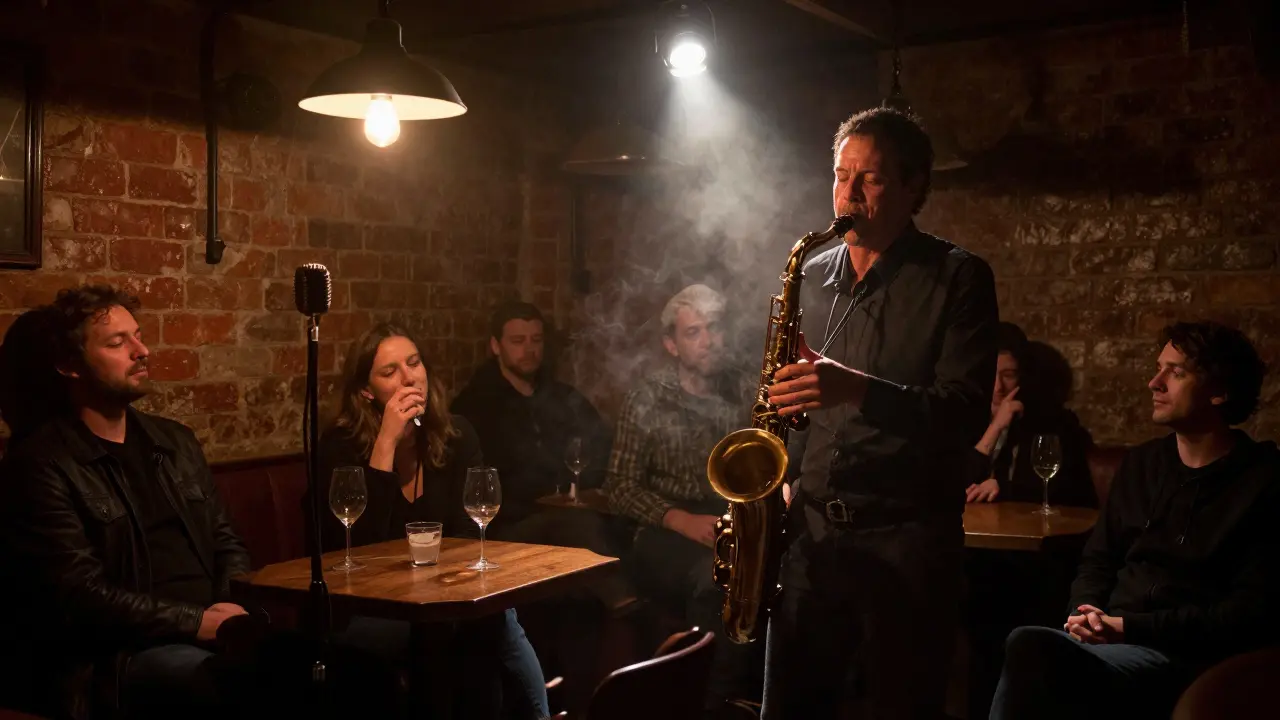
Paris has one of the deepest jazz scenes in Europe, and it’s not in the big concert halls. It’s in basements. In alleyways. In converted garages.
La Cigale’s jazz nights are well known, but the real magic happens at Le Caveau de la Huchette, a cellar club that’s been operating since 1934. The space is small-barely 50 people fit. The air is thick with smoke and sweat. The musicians don’t care if you’re a tourist. They care if you’re listening. You’ll hear trumpet solos that last ten minutes, bass lines that shake the floor, and drummers who play like they’re arguing with the rhythm itself.
There’s also Le Petit Journal Montparnasse, a former artist hangout where jazz legends like Django Reinhardt once played. Now, young musicians from Senegal, Algeria, and Martinique blend traditional rhythms with bebop. One session last month featured a saxophonist from Dakar playing over a Parisian drummer’s swing beat. The crowd didn’t clap-they hummed along.
The Bistros That Never Close
Some places don’t even pretend to close. In the 10th arrondissement, Le Comptoir du Relais is open 24 hours a day. It’s a tiny bistro with 12 stools, a chalkboard menu, and a kitchen that never stops. You can get a croque-monsieur at 2 a.m. or a glass of Beaujolais at 4 a.m. The owner, Jean-Pierre, has been here since 1987. He doesn’t take reservations. He doesn’t have a website. He just opens the door when he wakes up and closes it when he’s tired.
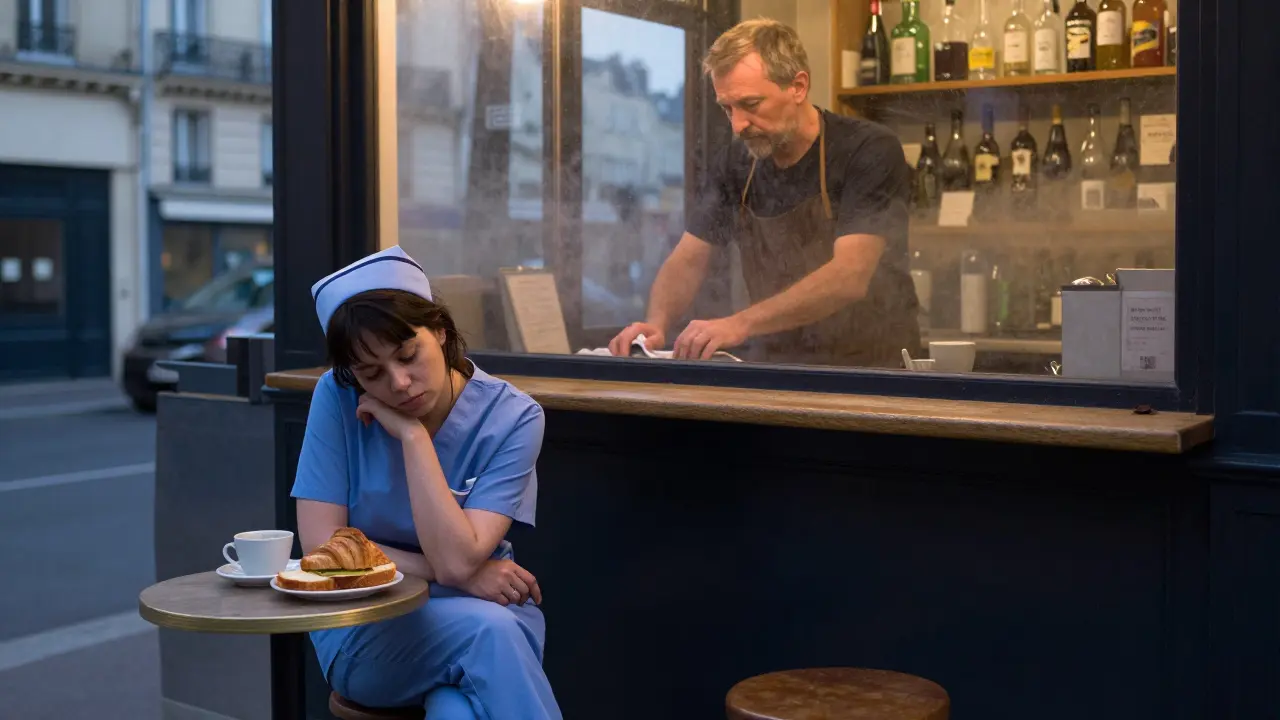
This isn’t about convenience. It’s about community. People who work night shifts-cleaners, nurses, taxi drivers-come here to eat, to talk, to be seen. Jean-Pierre knows who needs a hot meal after a 12-hour shift. He knows who just lost someone and needs silence instead of small talk. He doesn’t charge extra for late-night orders. "Food is food," he told me. "Time doesn’t change that."
The Secret Bars and Speakeasies
Paris has more than 200 hidden bars. You won’t find them on Google Maps. You need a password. A handshake. A friend who knows.
Le Perchoir, a rooftop bar with a view of the Sacré-Cœur, requires you to text a number for access. The answer? "The night is long." Another, called L’Enfer, is hidden behind a refrigerator door in a bakery. You have to knock three times, say your name, and wait. The bartender, a former opera singer, serves cocktails named after French poets. One drink, "Baudelaire’s Regret," is made with violet liqueur, smoked salt, and a single drop of absinthe. It costs €18. It’s worth every cent.
These places aren’t about exclusivity. They’re about trust. You don’t just walk in. You earn your way in. And once you do, you’re part of something rare: a space where the rules are quiet, the drinks are crafted, and the people are real.
What Parisian Nightlife Is Really About
It’s not about partying. It’s not about Instagrammable moments. It’s about presence.
Parisian nightlife is shaped by history, but it’s lived in the present. It’s the woman who dances alone at Le Moulin Rouge because she hasn’t felt this free since she was twenty. It’s the barista who remembers your name after three visits. It’s the jazz musician who plays until his fingers bleed because the room is alive.
You don’t "do" Parisian nightlife. You let it do you.
There’s no checklist. No must-see list. No app to download. Just a city that stays awake-and invites you to stay awake with it.
Are Parisian cabarets still worth visiting today?
Yes, but not for the same reasons as 50 years ago. Modern cabarets like Moulin Rouge and Le Lido are more polished, with high production values and professional performers. They’re theatrical experiences, not underground revues. If you want spectacle, they’re unmatched. If you want raw, intimate performances, look for smaller venues like Le Comptoir Général or Le Divan du Monde, which blend cabaret with live music and avant-garde acts.
What’s the best time to experience Paris nightlife?
Late night, between 11 p.m. and 2 a.m., is when the real rhythm begins. Cabarets start around 9 p.m., but the real crowd arrives after midnight. Cafés and jazz clubs hit their stride after 1 a.m. Weekends are livelier, but weekdays offer a quieter, more authentic vibe-especially in neighborhoods like the 11th or 14th arrondissements.
Is Paris nightlife safe at night?
Generally, yes. Tourist areas like Montmartre and the Latin Quarter are well patrolled. But like any big city, pickpockets operate in crowded spots. Avoid poorly lit alleys after midnight. Stick to busy streets. Most bars and cafés have security, and locals are usually helpful if you look lost. Always keep your phone and wallet secure-especially near metro stations after 1 a.m.
Do I need to speak French to enjoy Paris nightlife?
No, but it helps. In tourist-heavy spots, English is common. But in hidden bars, jazz cellars, and local cafés, a few French phrases go a long way. Saying "Bonjour," "Merci," or "Un verre, s’il vous plaît" opens doors. Many bartenders and musicians appreciate the effort-even if you’re bad at it. A smile in French means more than a perfect sentence.
How much should I budget for a night out in Paris?
You can spend as little as €15 or as much as €200. A coffee and croissant at a late-night bistro costs €8. A cocktail at a hidden bar is €15-€20. A cabaret show runs €80-€120. A jazz session at a cellar club might cost €10-€20 for entry, plus drinks. Budget €50-€100 if you want to experience a few different spots without overspending.
Caspian Beauchamp
Hello, my name is Caspian Beauchamp, and I am an expert in the world of escort services. With years of experience in the industry, I have developed a deep understanding of the dynamics and nuances of escort services in various cities. My passion for writing has led me to share my insights and knowledge through articles and blog posts, helping others navigate the world of companionship and pleasure. I pride myself on providing honest, accurate, and engaging content that appeals to a wide range of readers. Join me as I explore the fascinating world of escorts and the unique experiences they offer in cities around the globe.