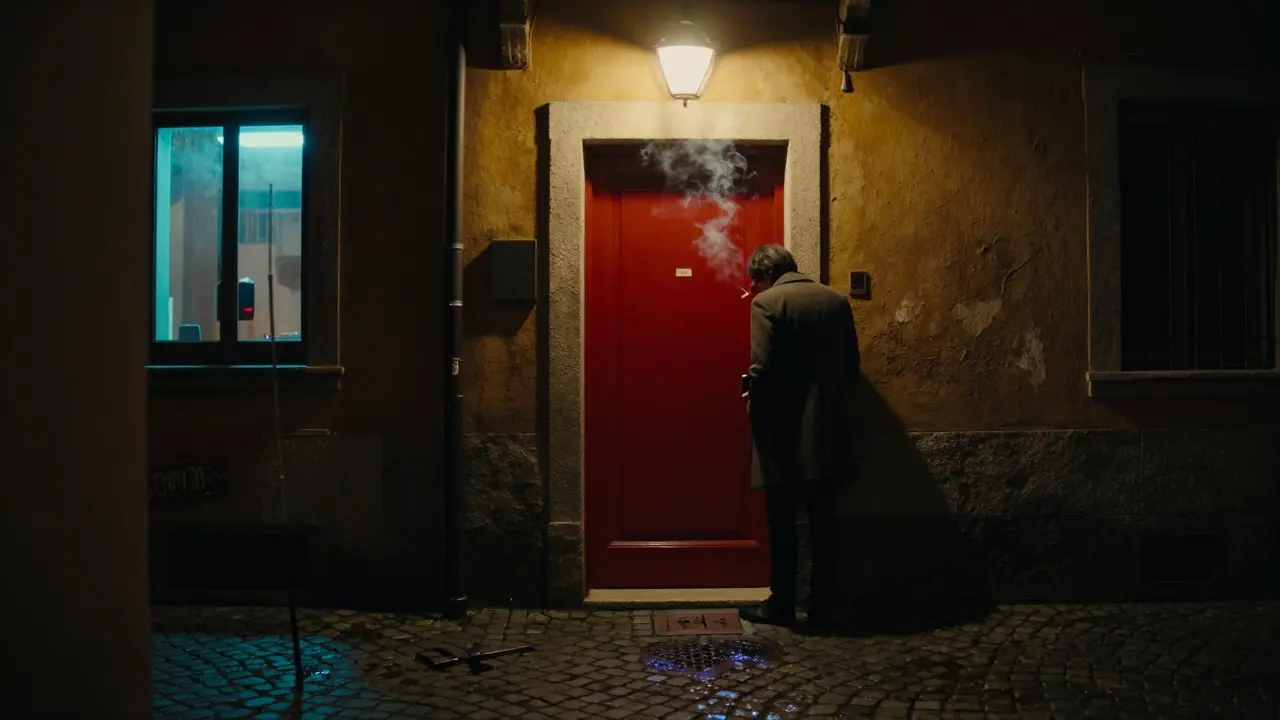
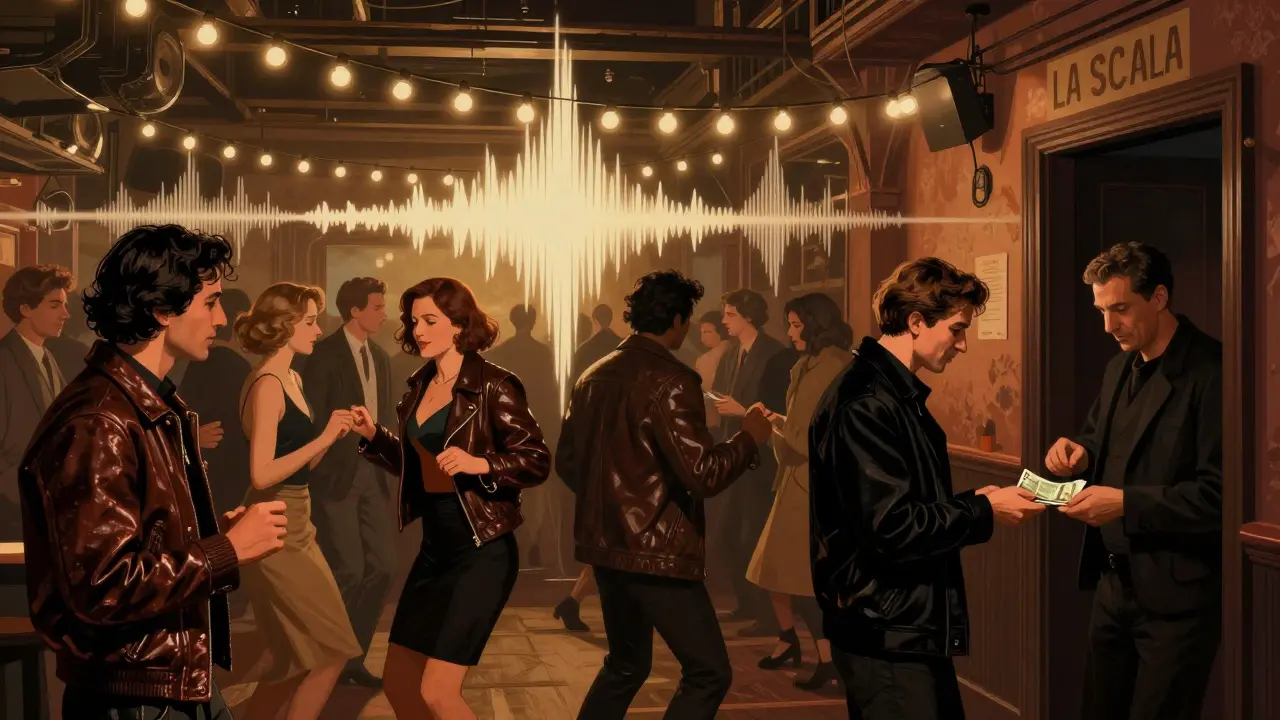
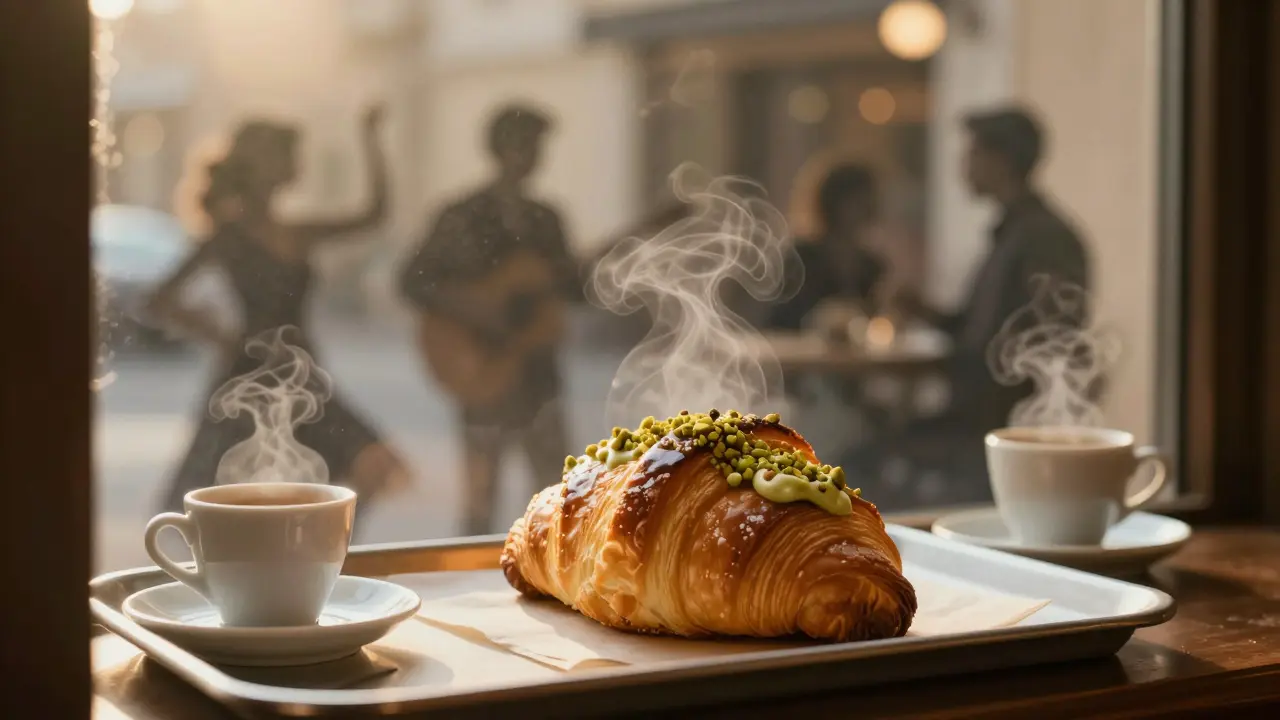
Most tourists in Milan stick to the same three spots: Duomo Square, Brera, and maybe a cocktail at Navigli. But if you really want to feel the pulse of the city after dark, you need to know where locals go when the guidebooks close. The secret isn’t in the fancy rooftop bars or the Instagram-famous lounges. It’s in the back alleys, the unmarked doors, and the places that don’t even have a sign. Milan nightlife doesn’t start at 10 p.m. It doesn’t even start at midnight. Locals don’t show up until after 1 a.m., and the real energy doesn’t hit until 2:30 a.m. If you’re out before 1 a.m., you’re not partying-you’re waiting. Start your night in Porta Ticinese. Not the tourist side with the painted walls and the overpriced aperitivos. Head to the quieter stretch near the canal, where the streetlights flicker and the music spills out from basement doors. One spot you won’t find on Google Maps: Bar Basso. It’s been around since 1956, and it’s where the Negroni was invented. You’ll see engineers, artists, and old-school jazz musicians sipping drinks at 1:30 a.m. No one’s taking photos. No one’s checking their phones. It’s just conversation, smoke, and the clink of ice. From there, walk five minutes to La Scala. Not the opera house-the underground club beneath it. The real Milan nightlife scene has always been about hidden spaces. This place has no website, no social media, and no bouncer checking your ID. You just show up, slip a few euros to the guy by the door, and head downstairs. The music? Think deep house mixed with 80s Italian disco. The crowd? Locals in vintage leather jackets and women in tailored coats who look like they just stepped out of a fashion shoot. No tourists allowed. You’ll know you’re in the right place when you hear someone shout, "Ehi, Marco!" and ten people turn around like they’ve known each other for years. Don’t expect clubs to open at 11 p.m. like in Ibiza. Milanese clubs don’t even turn on the lights until 1 a.m. Magazzini Generali is the place to go if you want to dance until sunrise. It’s a converted warehouse in the Lambrate district, where old factories have become cultural hubs. The sound system here is one of the best in Europe. You won’t hear Top 40 hits. You’ll hear underground techno, experimental bass, and live sets from DJs who’ve never played outside Italy. The crowd? Mostly students from Politecnico, fashion designers from the Brera Academy, and a few Milanese grandmas who still come out every Friday. Yes, really. If you’re looking for something quieter but still electric, try Caffè del Teatro. It’s a wine bar with live jazz on Tuesdays. No cover charge. No dress code. Just a small room, a grand piano, and a bartender who pours you a glass of Barolo without asking. You’ll hear someone say, "That last solo? That was from 1987," and someone else reply, "Yeah, and he still plays better than half the clubs in London." This isn’t a performance. It’s a ritual. The Milan nightlife scene runs on relationships, not reservations. If you show up alone, you’ll be fine. But if you want to get past the velvet rope at Alchimia-a speakeasy-style bar hidden behind a fridge door in a grocery store-you’ll need a local to vouch for you. That’s not a myth. It’s the rule. The bar doesn’t have a name on the door. The menu is handwritten on a chalkboard. The cocktails are made with herbs grown on the rooftop. And the bartender? He used to work at a Michelin-starred restaurant in Bologna before he quit to open this place because, as he told me, "People in Milan don’t drink to impress. They drink to remember." The best way to find these spots? Walk. Don’t use an app. Don’t ask for recommendations online. Just wander. Turn down a street that looks empty. Listen for music. Look for a line of people who aren’t tourists. If you see a group of people laughing under a streetlamp with no bar in sight, that’s probably a pop-up party. Locals throw them all the time-in abandoned garages, on rooftops, even in old bookstores. They don’t advertise. They just text five friends. And if you’re lucky, one of them texts you. You’ll notice something else: Milanese nightlife isn’t about getting drunk. It’s about lingering. People don’t order shots. They order a bottle of prosecco and share it. They don’t dance for an hour. They dance until their shoes stick to the floor. They don’t leave at 3 a.m. They leave when the sun comes up. And if you’re still standing at 6 a.m., someone will offer you a cornetto and a caffè macchiato. No one asks why. They just know. Don’t try to fit in by wearing designer labels. Locals dress well, but not for show. A tailored coat, a pair of clean sneakers, and a leather bag are enough. You’ll see more people in vintage denim and wool scarves than in Gucci. The real status symbol? Knowing where to go. Not who you know. The city doesn’t shut down. It transforms. By 4 a.m., the clubs are empty. But the bakeries are open. The espresso machines are humming. And the street musicians are setting up for the morning crowd. If you’re still awake, walk to Pasticceria Marchesi on Via Manzoni. Order the brioche with pistachio cream. Sit by the window. Watch the city wake up. Because that’s the real Milan nightlife-the quiet, golden hour between night and day, when the city remembers who it is. And if you leave Milan without having one of these nights? You didn’t really go.
Where to Go After Dark: A Local’s Map
- Bar Basso - The birthplace of the Negroni. Open until 3 a.m. No sign. Just a red door.
- La Scala - Underground club under the opera house. No website. No rules. Just music.
- Magazzini Generali - Warehouse club in Lambrate. Open Friday-Sunday. Sound system that shakes your bones.
- Caffè del Teatro - Jazz nights on Tuesdays. Wine by the glass. No tourists. Ever.
- Alchimia - Hidden behind a fridge in a grocery store. You need a local to get in.
- Pasticceria Marchesi - Open 24/7. Best cornetto in the city. Go at 5 a.m.
What Not to Do
- Don’t go to Navigli for "authentic nightlife." It’s now a tourist trap with €18 cocktails.
- Don’t expect to book a table. Most places don’t take reservations.
- Don’t ask for the "best club." There’s no such thing. There’s only what feels right.
- Don’t dress like you’re going to a wedding. Milanese style is effortless, not flashy.
- Don’t leave before sunrise. You’ll miss the best part.
How to Blend In
- Order a prosecco seltzer-it’s the local aperitivo.
- Speak Italian, even if it’s broken. They’ll smile and keep talking.
- Pay attention to body language. If someone leans in, they’re inviting you in.
- Don’t take photos of the crowd. It’s rude. But if someone asks to take yours? Say yes.
- Leave a tip on the table, even if service is included. It’s a habit, not a rule.
When to Go
Weekends are crowded, but that’s where the energy is. Fridays and Saturdays are when the real magic happens. But if you want to feel like you’ve stumbled into a secret, go on a Thursday. The crowd is smaller. The music is louder. And the locals? They’re more relaxed. They’ve already done their weekend planning. They’re just here to enjoy it.
What You’ll See That Tourists Miss
You’ll see a man in a suit dancing alone to a jazz trumpet at 2 a.m. You’ll see a group of women laughing so hard they cry over a shared bottle of Lambrusco. You’ll see a teenager playing a violin on a street corner, and fifty people stop to listen-not because they’re impressed, but because it’s Tuesday and that’s just what they do.
Why This Matters
Milan isn’t just a city that parties. It’s a city that lives. The nightlife isn’t an escape from the day. It’s the extension of it. The same people who design fashion in the morning are spinning records at night. The same people who fix engines in the afternoon are arguing about poetry in a basement bar. This is why the city doesn’t sleep. It’s not about the clubs. It’s about the people-and how they choose to be together.
Final Tip
Bring cash. Most of these places don’t take cards. And if you’re lucky enough to find yourself at one of these spots? Don’t rush. Sit. Listen. Let the night find you.
Is Milan nightlife safe at night?
Yes, absolutely. Milan is one of the safest major cities in Europe after dark. The neighborhoods where locals go-Lambrate, Porta Ticinese, Isola-are well-lit and patrolled. The biggest risk? Getting so caught up in the music you forget to check the time. Just avoid poorly lit alleys after 4 a.m., and you’ll be fine.
Do I need to speak Italian to enjoy Milan nightlife?
Not fluently, but yes, you’ll get way more out of it if you try. A simple "Buonasera" or "Grazie" opens doors. Most locals speak English, but they’ll respond with warmth if you make the effort. And if you say "Cosa bevi?" (What are you drinking?), someone will likely invite you to join them.
What’s the best time to start a night out in Milan?
Don’t start before 11 p.m. Most places are quiet until then. The real action begins at 1 a.m. That’s when the bars fill up, the music turns up, and the city wakes up. If you’re out before midnight, you’re not partying-you’re prepping.
Are there any dress codes?
No strict dress codes, but locals dress with intention. Think smart-casual: dark jeans, a clean shirt, a coat. No flip-flops, no sports jerseys, no neon. You don’t need to look rich. You just need to look like you care.
Can I find vegan or vegetarian options in Milan nightlife spots?
Yes. Most bars now offer vegan aperitivo spreads-think roasted vegetables, chickpea crostini, and olive tapenade. At Magazzini Generali, they serve plant-based cocktails made with local herbs. Even the old-school places like Bar Basso have vegan options now. Just ask: "C’è qualcosa di vegetale?"
Caspian Beauchamp
Hello, my name is Caspian Beauchamp, and I am an expert in the world of escort services. With years of experience in the industry, I have developed a deep understanding of the dynamics and nuances of escort services in various cities. My passion for writing has led me to share my insights and knowledge through articles and blog posts, helping others navigate the world of companionship and pleasure. I pride myself on providing honest, accurate, and engaging content that appeals to a wide range of readers. Join me as I explore the fascinating world of escorts and the unique experiences they offer in cities around the globe.