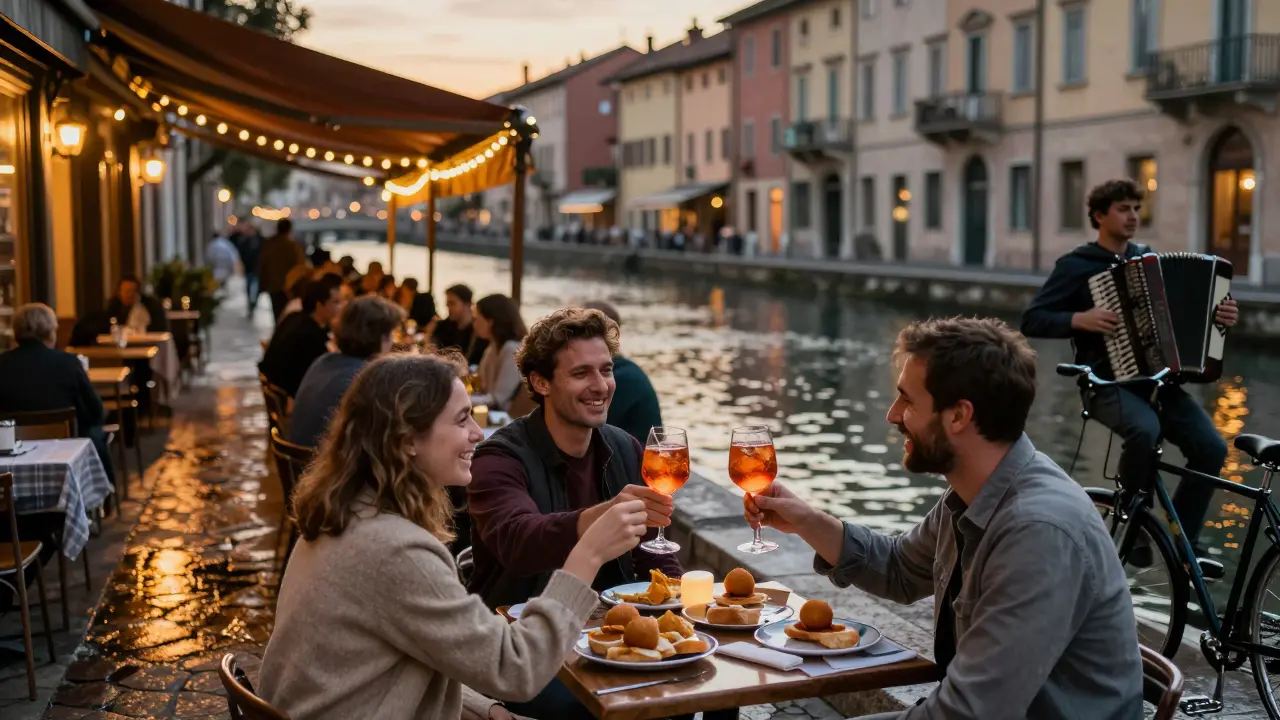
When the sun sets in Milan, the city doesn’t sleep-it switches modes. Forget the fashion shows and designer boutiques. By 10 p.m., the real Milan emerges: buzzing, loud, and full of people who know how to live. This isn’t just about drinking. It’s about finding the right corner where the music hits just right, the ice in your gin and tonic doesn’t melt too fast, and the crowd feels like it was made for you.
Where the Locals Go After Work
Start in Navigli. It’s not the fanciest district, but it’s the most alive. The canals here used to carry goods. Now they carry laughter, clinking glasses, and the occasional stray accordion player. You’ll find old-school osterias with wooden tables and paper menus, where the aperitivo isn’t a marketing gimmick-it’s a ritual. For €12, you get a spritz and a buffet of hot crostini, cheese cubes, and fried arancini that could make you skip dinner entirely. Locals come here after work, unwind, and stay until midnight. If you want to see Milanese life without the tourist filter, this is where you start.Don’t miss Bar Luce-a tiny spot designed by Wes Anderson. It’s not loud, but it’s unforgettable. The pastel walls, the vinyl records spinning, the way the light hits the bar at golden hour-it feels like stepping into a movie. You won’t find a cocktail list here. Just ask for a Negroni. They’ll make it right.
Clubbing Like a Milanese
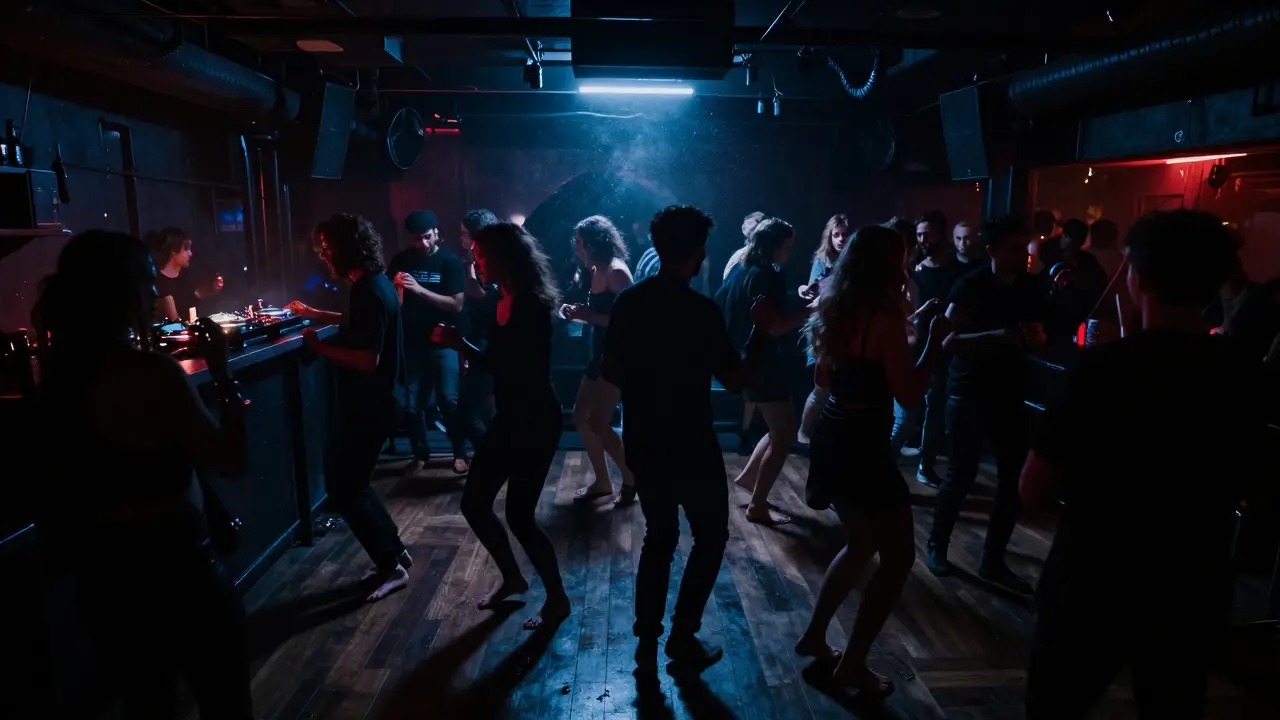
If you’re looking for clubs, you need to know the difference between local and tourist. The big names like Bikini and Lain draw international DJs and crowds from across Europe. But if you want to dance with people who actually live here, head to Teatro del Silenzio. It’s tucked behind a nondescript door in Porta Genova. No sign. No website. Just a bouncer who nods if you look like you belong. Inside, it’s dark, sweaty, and the bass hits your chest before your ears. The music? Deep house, techno, sometimes experimental Italian beats. No VIP section. No bottle service. Just music and movement.Another hidden gem: Covo Club. It’s been around since the 90s, but it doesn’t feel dated. The crowd is a mix of artists, architects, and students-all in black, all dancing like no one’s watching. The playlist changes every night. One night it’s 80s Italo-disco. The next, it’s a DJ from Lagos spinning afrobeat. You never know what you’ll get. That’s the point.
The Aperitivo Culture That Rules the Night
Aperitivo isn’t just a drink. It’s the foundation of Milan’s nightlife. The rule? Start between 6 and 8 p.m. The reward? Food. Lots of it. At Caffè della Musica, they bring out platters of grilled vegetables, mini panzerotti, and even risotto balls. At Bar Basso, the birthplace of the Negroni Sbagliato, you get a single perfect cocktail and a few olives. Both are worth it. The key is to arrive early. By 8:30, the tables are full. By 9, you’re standing.Some places, like La Cucina di Gino, even serve warm dishes-think truffle crostini or slow-cooked beef sliders. This isn’t a bar with snacks. This is a bar that doubles as a kitchen. And it’s why Milan’s aperitivo beats the rest of Europe.
Where to Find Live Music Without the Crowds
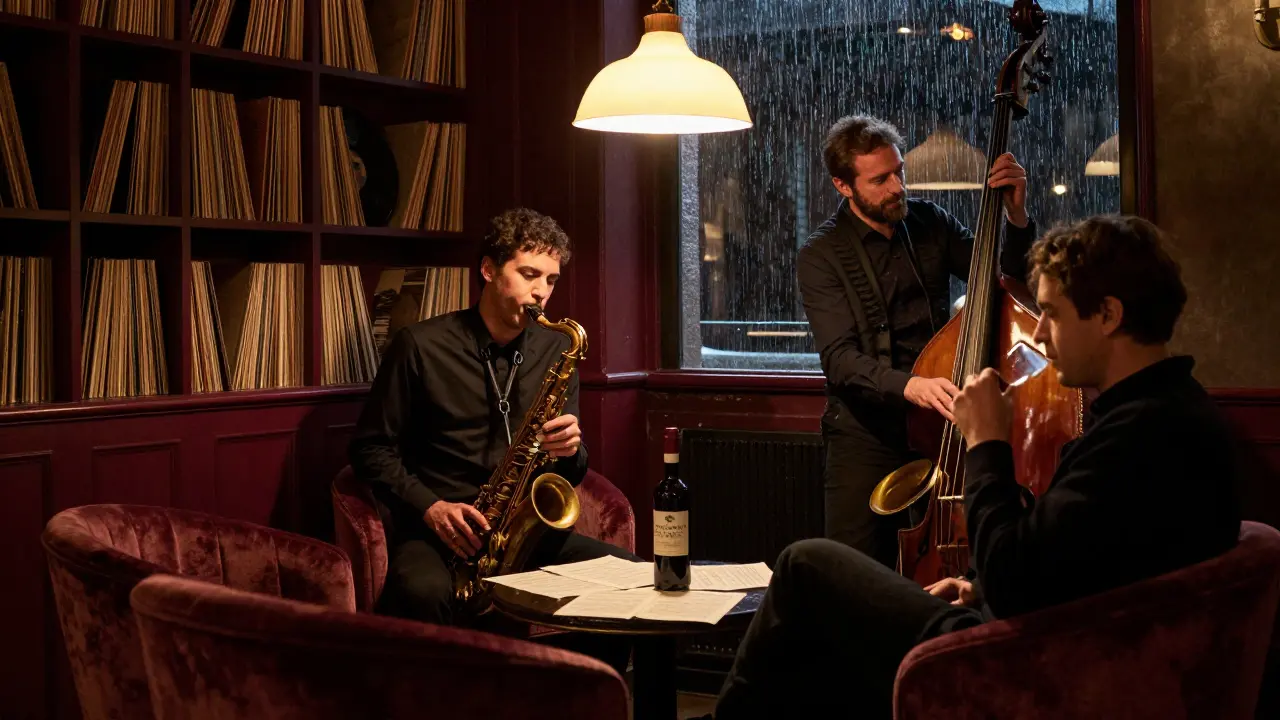
Not everyone wants to dance until 3 a.m. Some nights, you want something quieter. That’s where Jazz Club Milano comes in. It’s tucked under a staircase in Brera. The chairs are old, the lighting is low, and the musicians are some of the best in Italy. No cover charge before 10 p.m. You can sit, sip a glass of Barolo, and listen to a saxophonist who’s played with Herbie Hancock. It’s the kind of place where time slows down.For something more indie, try Birreria Brera on Thursdays. Local bands play original songs-Italian lyrics, English guitars, no pretense. The crowd is young, smart, and genuinely into the music. You’ll hear songs about subway rides, broken relationships, and the smell of rain on Milanese pavement. It’s real. And it’s free.
What to Avoid
Not every place with a neon sign is worth your time. Stay away from the bars around Piazza del Duomo after 9 p.m. They’re overpriced, loud, and filled with tourists who think “Italian nightlife” means shooting tequila with a shot of limoncello. You’ll pay €15 for a soda with a lime. And you’ll leave feeling ripped off.Same goes for the “VIP lounges” in the fashion district. They’re not exclusive-they’re empty. The bouncers are there to keep out locals, not let in anyone with real taste. If you’re asked for a reservation or a dress code, walk away. The best spots in Milan don’t ask for your name. They just let you in.
When to Go and What to Wear
Milan doesn’t care about your brand name. But it cares about how you carry yourself. No hoodies. No flip-flops. No baseball caps indoors. You don’t need a suit. But you do need to look like you put in some effort. Dark jeans, a clean shirt, a good pair of shoes. That’s the uniform.Weekends are packed. If you want space to breathe, go on a Wednesday or Thursday. The clubs are still full, but the lines are shorter. The music is better. And the staff remembers your name.
Start your night at 7 p.m. with aperitivo. Move to a club by 11. Stay until 2. Walk home through the empty streets. The city feels different at that hour-quiet, alive, and yours.
What Makes Milan’s Nightlife Different
It’s not the number of clubs. It’s not the DJs. It’s the rhythm. Milan doesn’t rush. It doesn’t scream. It builds. You start with a drink, then a bite, then a conversation, then a song, then a dance. There’s no rush to the next thing. The night unfolds slowly. And if you let it, it stays with you long after you’ve left.What’s the best time to start nightlife in Milan?
Start at 7 p.m. with aperitivo. Most bars open around 6:30, and the real energy kicks in by 8. Clubs don’t fill up until after 11 p.m., so take your time. The best nights in Milan are the ones that last five hours, not five minutes.
Is Milan nightlife expensive?
It can be, if you go to the wrong places. Aperitivo at a local spot costs €10-15 and includes food. A cocktail at a hidden bar is €12-16. Club entry is usually free before midnight. Avoid tourist traps near the Duomo-they charge €20 for a beer. Stick to Navigli, Brera, and Porta Genova for real value.
Do I need to book a table or get a guest list?
For big clubs like Bikini or Lain, a guest list helps on weekends. But for 80% of Milan’s best spots-Teatro del Silenzio, Covo Club, Jazz Club Milano-you just walk in. No reservations. No passwords. Just show up. If they’re full, come back in 30 minutes. The night is long.
What’s the dress code in Milan clubs?
No sneakers, no hoodies, no shorts. Dark jeans, a button-down or fitted tee, and clean shoes work everywhere. You don’t need to look like you’re going to a runway show. But you do need to look like you care. Milan notices.
Are there any quiet nightlife options in Milan?
Yes. Jazz Club Milano, Birreria Brera on Thursdays, and small wine bars in Brera like Enoteca Pinchiorri offer calm, intimate nights. You can talk, listen to live jazz, and sip Italian wine without shouting over music. Perfect for nights when you want to unwind, not dance.
If you’re looking for the soul of Milan after dark, don’t chase the lights. Chase the corners. The ones with no signs, no queues, and no marketing. That’s where the real night lives.
Caspian Beauchamp
Hello, my name is Caspian Beauchamp, and I am an expert in the world of escort services. With years of experience in the industry, I have developed a deep understanding of the dynamics and nuances of escort services in various cities. My passion for writing has led me to share my insights and knowledge through articles and blog posts, helping others navigate the world of companionship and pleasure. I pride myself on providing honest, accurate, and engaging content that appeals to a wide range of readers. Join me as I explore the fascinating world of escorts and the unique experiences they offer in cities around the globe.