When the sun sets over Milan, the city doesn’t sleep - it transforms. Forget the quiet, elegant image you might associate with fashion week or the Duomo. By midnight, Milan becomes one of Europe’s most electric nightlife destinations. Whether you’re into underground techno, rooftop cocktails, or vintage wine bars, the city delivers. And it’s not just for tourists. Locals know the real spots - the ones that don’t show up on every blog post.
Brera: Where the Night Starts with a Glass of Prosecco
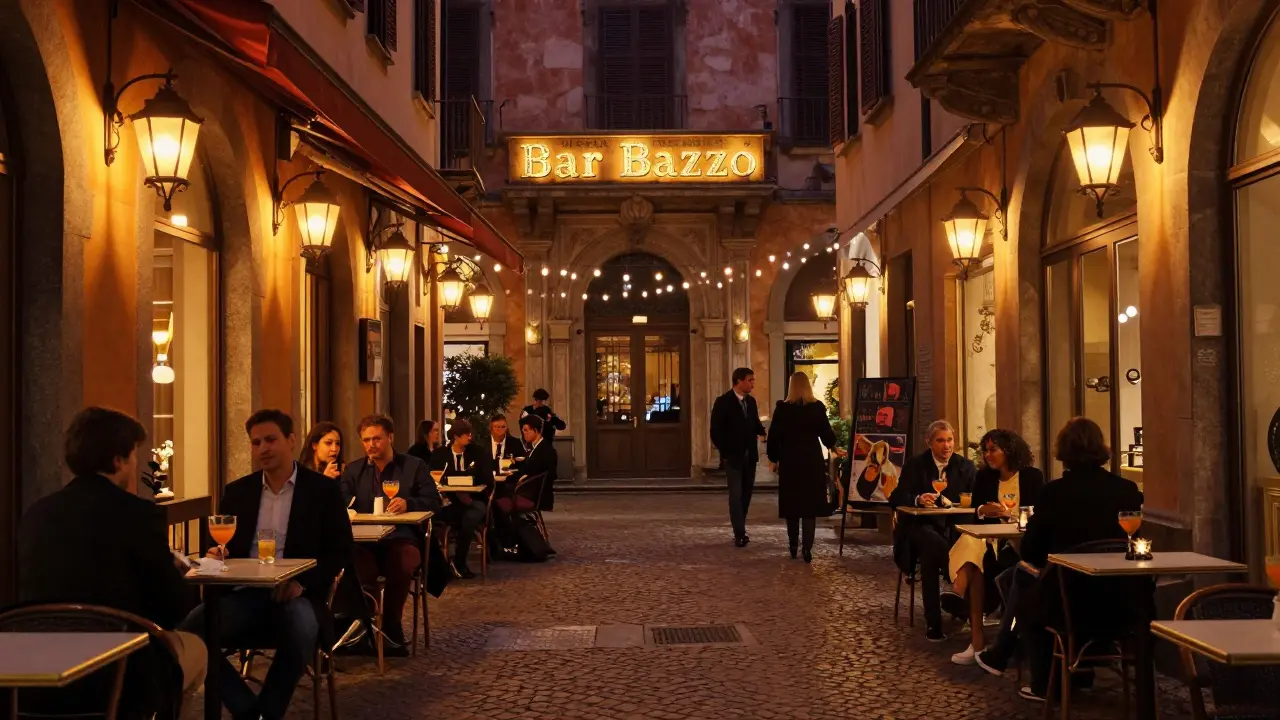
Brera is Milan’s heart of charm, but at night, it turns into a lounge district that feels like a secret. Narrow cobblestone streets fill with people sipping Aperol Spritzes or Negronis at outdoor tables. The vibe? Sophisticated but relaxed. You won’t find bass-thumping clubs here. Instead, you’ll find Bar Basso, a legendary cocktail bar that invented the Americano. It’s been around since 1919 and still draws a mix of artists, designers, and old-school Milanese. Order the classic, watch the bartenders work their magic, and don’t rush. This is where the night begins - slowly.
Navigli: Canals, Craft Beer, and Open-Air Dancing
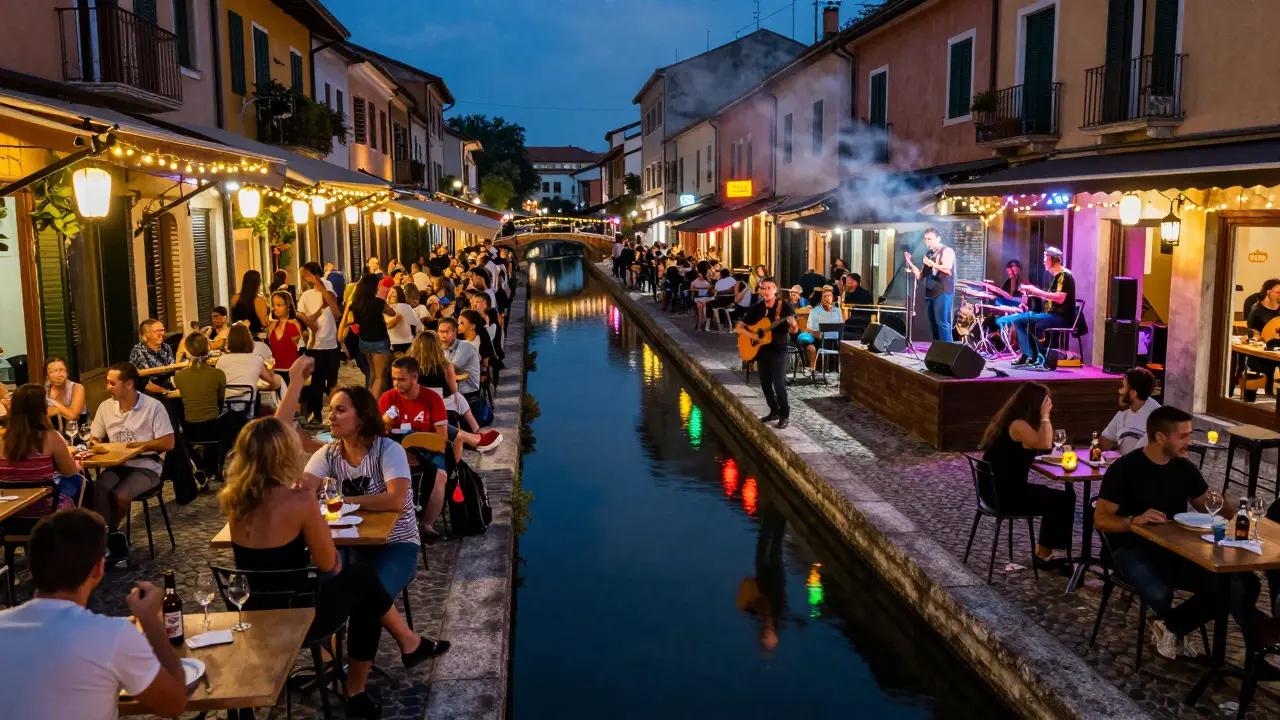
Head south to the Navigli district, where two canals meet and turn into a 3-kilometer-long party strip. This is where locals go to unwind after work. By 9 p.m., the canalside terraces are packed. La Zanzara is the go-to spot - live music, cheap beer, and a crowd that dances on the cobblestones. The area has over 50 bars and clubs, each with its own flavor. Want craft beer? Try Birrificio Italiano. Into jazz? Il Gatto Nero has live sets every Thursday. The real magic happens after midnight, when the street performers take over and the crowd spills into the water’s edge. It’s messy, loud, and unforgettable.
Porta Romana: The Underground Techno Scene
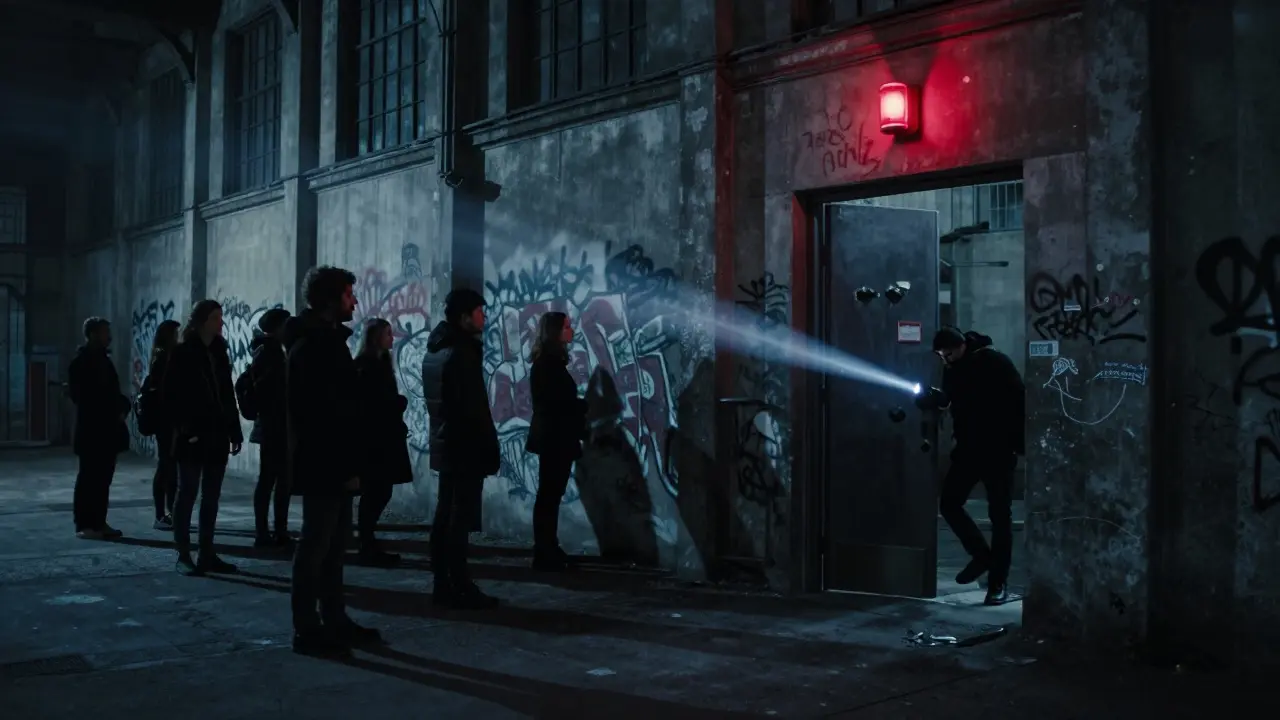
If you’re looking for something raw, head to Porta Romana. This neighborhood hides some of Milan’s most intense clubs - places you won’t find on Google Maps unless you know someone. Magazzini Generali is the crown jewel. It’s a converted warehouse, no sign, no website. You get in by word of mouth or a friend’s text. The sound? Deep, hypnotic techno. The crowd? Mostly locals in black, no fancy outfits. Doors open at 1 a.m. and don’t close until 7 a.m. This isn’t a club - it’s a ritual. Bring cash. Dress all black. Don’t expect a VIP section. This is where Milan’s electronic music scene truly lives.
Corso Como: Style, Status, and the Elite Crowd
Corso Como is Milan’s answer to Ibiza’s beach clubs - but with a Milanese twist. It’s not just a bar. It’s a lifestyle. The building houses a design store, a café, a restaurant, and a club that turns into a high-end party zone after 11 p.m. The crowd here is polished: fashion editors, Italian influencers, and international DJs. Corso Como 10 is the name to remember. The playlist leans toward house and disco, and the lighting? Moody, golden, cinematic. Entry isn’t cheap - expect €20-€30, and dress code is strict. No sneakers. No hoodies. You’ll see Gucci, Prada, and Balenciaga. It’s not for everyone, but if you want to feel like you’re in a Vogue editorial, this is your spot.
Centro Storico: Hidden Gems and Speakeasies
Beneath the historic center, tucked behind unmarked doors, lie Milan’s best-kept secrets. Bar del Fico is one - a tiny, candlelit bar where the bartender knows your name by the third visit. No menu. You tell him what mood you’re in, and he makes you something unexpected. Then there’s La Cucina di Lella, a 10-seat speakeasy behind a refrigerator door. It’s only open on weekends, and you need to book weeks ahead. The cocktails here aren’t just drinks - they’re stories. One features smoked rosemary and aged grappa. Another has a hint of saffron and orange blossom. These places don’t advertise. They’re whispered about. If you’re willing to hunt, you’ll find them.
What to Expect: Timing, Dress Code, and Local Rules
Milan’s nightlife doesn’t run on tourist hours. Bars don’t open until 9 p.m. Clubs don’t fill until 1 a.m. And most don’t close before 5 a.m. If you show up at midnight expecting a packed dance floor, you’ll be disappointed. The rhythm is slow, deliberate. Dress code matters more here than in most European cities. In upscale spots like Corso Como or Winery, you’ll get turned away for jeans and sneakers. In Navigli or Porta Romana, you can wear whatever - just don’t be loud. Locals hate drunk tourists. Also, cash is still king. Many bars don’t take cards after midnight. And tipping? Not expected. A simple “grazie” and a smile are enough.
Where to Go After the Club: The Breakfast Scene
The night doesn’t end when the music stops. Milan has one of Europe’s best late-night breakfast cultures. Around 6 a.m., the clubs empty, and the city shifts. Head to Bar Campari on Via Torino. It’s been open since 1947 and serves espresso, croissants, and fresh orange juice until noon. Or try La Cucina del Gambero, where they serve savory panini with mortadella and truffle cream at 7 a.m. Locals call it “the reset.” You’ll see people in club outfits eating pasta with their friends. It’s normal. It’s Milan.
Pro Tips for Getting the Most Out of Milan’s Nightlife
- Download Whisper - a local app that lists secret pop-up parties and last-minute events.
- Go on a Thursday. Most clubs host guest DJs then, and the crowd is thinner.
- Ask for “il locale degli abitanti” - “the place locals go.” You’ll get real recommendations.
- Don’t rely on Uber. Taxis are scarce after 2 a.m. Use the metro - Line 2 runs until 1:30 a.m. on weekends.
- Visit during Fashion Week (September and February). The scene explodes - but so do prices. Book everything two months ahead.
What time do clubs in Milan actually open?
Most clubs don’t start filling until 1 a.m., and many don’t open their doors until then. The real party begins after 2 a.m. Bars open around 9 p.m., but if you want dancing, wait until after midnight. Don’t show up early expecting a crowd - you’ll be the only one there.
Is Milan nightlife safe for solo travelers?
Yes, but with caution. Milan is generally safe at night, especially in popular areas like Navigli and Brera. Avoid poorly lit side streets after 3 a.m. Stick to well-known venues. Don’t carry large amounts of cash. Most clubs have security, and locals are helpful if you ask. Just stay aware - as you would in any major city.
Do I need to book tickets for clubs in Milan?
For big-name clubs like Magazzini Generali or Corso Como 10, yes - especially on weekends. Smaller spots like La Cucina di Lella or Bar del Fico don’t require tickets, but you’ll need a reservation. For most places, just showing up works - but if you want to avoid lines, book ahead. Check their Instagram pages; most update their events daily.
What’s the average cost of a night out in Milan?
It varies. A cocktail in Brera costs €12-€15. A beer in Navigli is €5-€7. Club entry ranges from €10 to €30, depending on the venue. If you’re drinking and dancing for five hours, budget €50-€80. Food after the club? €10-€15 for a panino. Skip the tourist traps - they overcharge.
Are there any quiet bars in Milan for a relaxed night?
Absolutely. Try Bar Luce in the Brera district - it’s cozy, with vinyl records and dim lighting. Or Il Giardino Segreto, a hidden garden bar with herbal cocktails and no music. Both are perfect if you want to talk, not dance. They close around midnight, so plan accordingly.
Caspian Beauchamp
Hello, my name is Caspian Beauchamp, and I am an expert in the world of escort services. With years of experience in the industry, I have developed a deep understanding of the dynamics and nuances of escort services in various cities. My passion for writing has led me to share my insights and knowledge through articles and blog posts, helping others navigate the world of companionship and pleasure. I pride myself on providing honest, accurate, and engaging content that appeals to a wide range of readers. Join me as I explore the fascinating world of escorts and the unique experiences they offer in cities around the globe.