When the sun sets over the Bosphorus, Istanbul doesn’t sleep-it transforms. One moment you’re walking past centuries-old minarets, the next you’re sipping raki in a basement bar where electronic beats mix with the sound of ney flutes. This city doesn’t just have nightlife; it layers it. Ottoman coffee houses, Soviet-era jazz clubs, rooftop lounges with skyline views, and underground clubs where DJs spin Turkish hip-hop alongside Arabic oud samples-all coexist without contradiction. That’s the magic of Istanbul after dark.
Beşiktaş and Beyoğlu: The Heartbeat of the Night
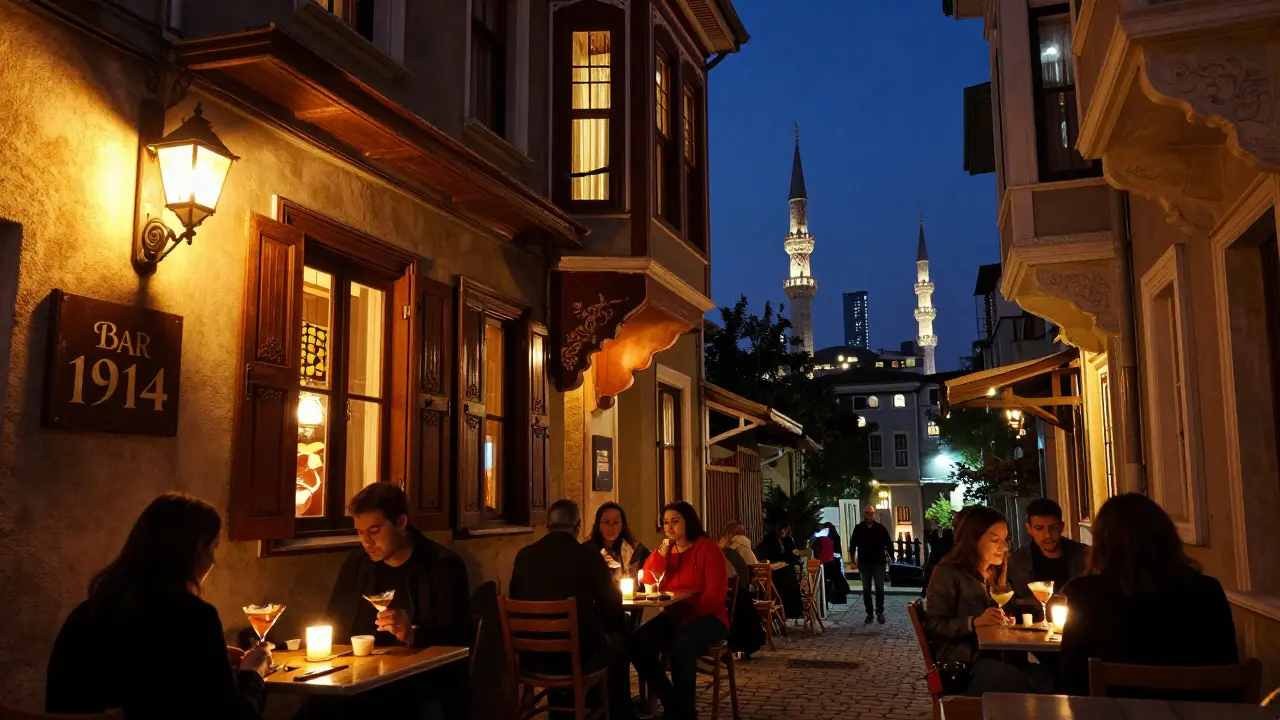
If you want to feel Istanbul’s pulse after midnight, start in Beyoğlu. The streets of İstiklal Avenue are packed, but it’s the side alleys that hold the real secrets. In the 1990s, this district became a refuge for artists, musicians, and rebels. Today, it’s still that-but now with better lighting and more diverse crowds. Bar 1914 sits in a restored Ottoman mansion, serving craft cocktails with names like "Sultan’s Last Wish" and live jazz on weekends. It’s not loud. It’s not flashy. But it’s where locals go when they want to talk, not just drink.
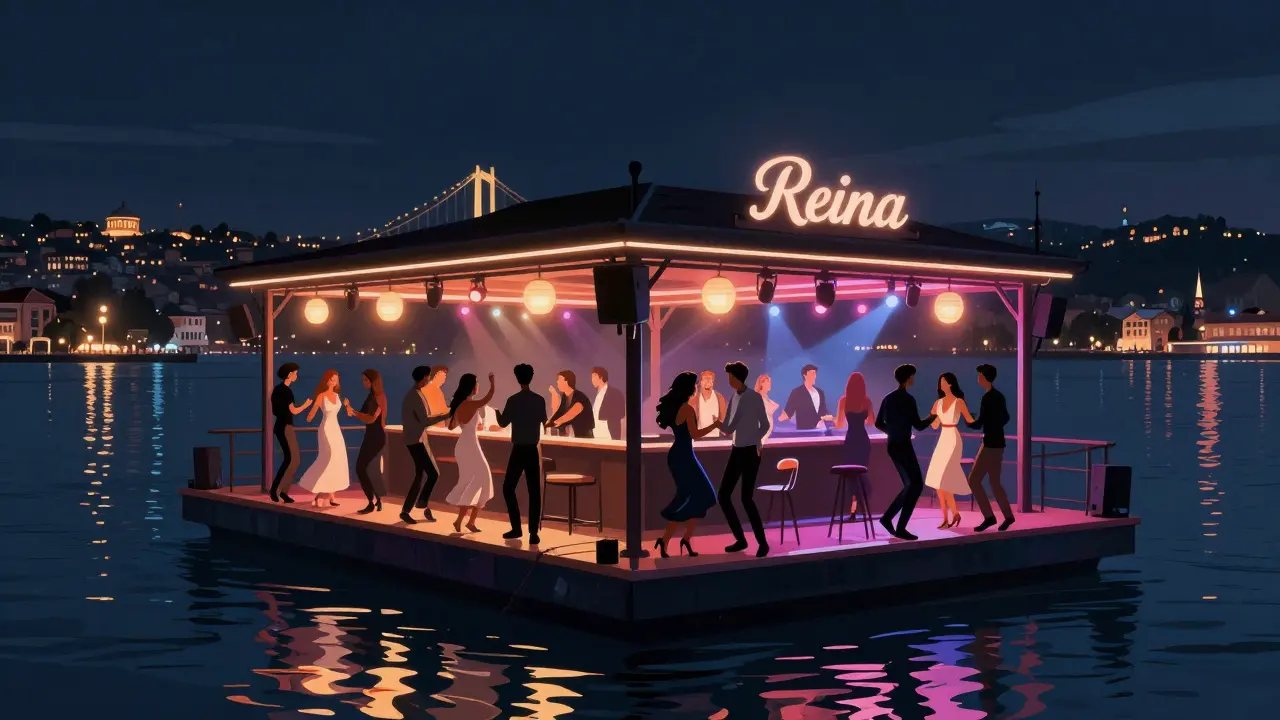
Just a few blocks away, Reina opens its doors around 11 p.m. This isn’t your average nightclub. It’s a floating venue on the Bosphorus, with a 360-degree view of the city lights. The music shifts from deep house to Turkish pop as the night goes on. You’ll see Turkish families celebrating engagements, Russian expats dancing in designer sneakers, and students from Boğaziçi University trying to stay awake past 2 a.m. The crowd is mixed, but the vibe is unmistakably Istanbul: elegant, unpredictable, and unapologetically alive.
Traditional Roots: From Coffee to Raki
Before you think nightlife means loud music and neon signs, remember this: Istanbul’s nightlife began with silence. For centuries, Ottoman men gathered in kahvehane-coffee houses-to play backgammon, listen to poets, and sip strong Turkish coffee. Today, you can still find these spaces. Çiya Sofrası in Kadıköy turns into a late-night hub after 10 p.m., serving meze plates and raki under string lights. It’s not a club. It’s not even a bar. But it’s where people stay until 3 a.m., talking about politics, love, and whether the new ferry schedule will ever make sense.
Raki, the anise-flavored spirit often called "lion’s milk," is the unofficial drink of Turkish nights. Unlike vodka or whiskey, it’s meant to be sipped slowly, with food, with company. In the historic neighborhood of Karaköy, Çıngıraklı serves raki with a side of live Turkish folk music. The owner, Murat, has been pouring it for 27 years. He doesn’t take cards. He doesn’t have a website. But every Friday, the place is full-locals, tourists, even a few diplomats who know better than to miss it.
The Underground Scene: Where Innovation Lives
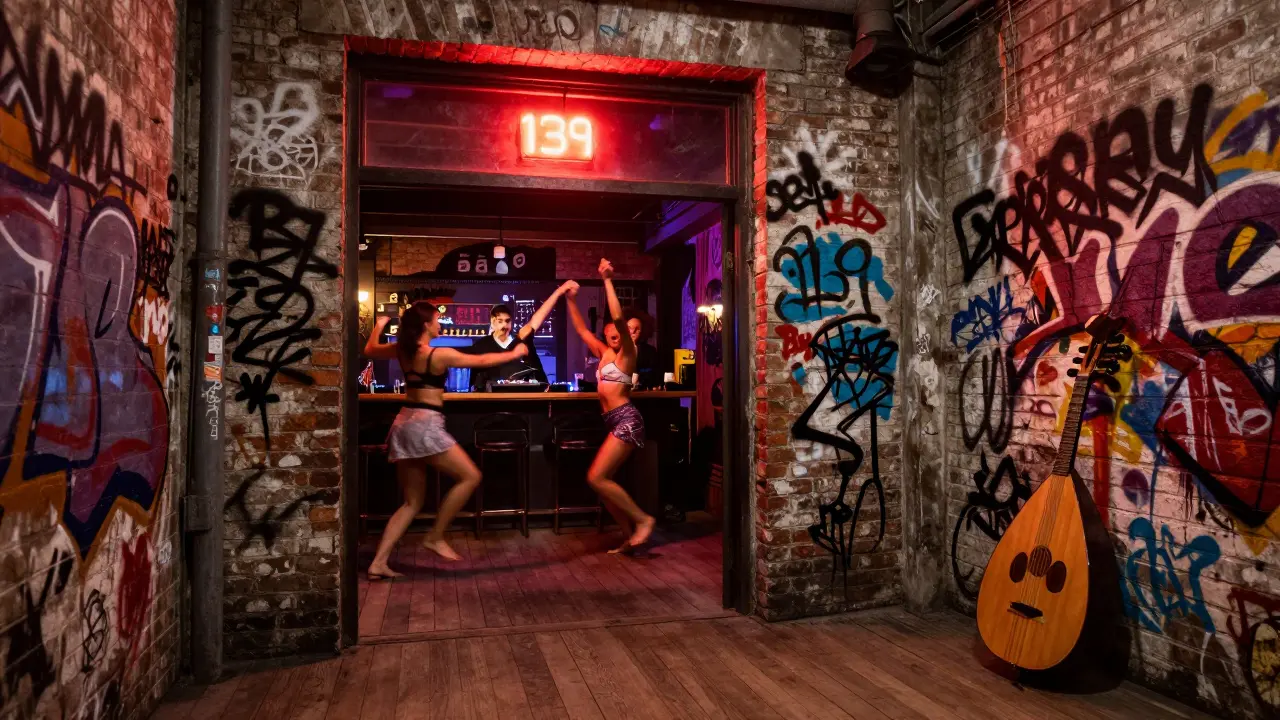
Not all of Istanbul’s nightlife is in plain sight. Head to the industrial zones near the old docks, and you’ll find clubs that don’t advertise. Bar 139, tucked inside a converted 1920s textile factory, is one of them. No sign outside. Just a single red light. Inside, DJs blend Turkish folk samples with techno, and the crowd dances barefoot on wooden floors. The walls are covered in graffiti from local artists. The bathroom has no door. The drinks cost 120 Turkish lira. And it’s packed every Saturday.
Then there’s Yeni Kolej, a student-run space in Üsküdar. It started as a basement art project. Now it hosts experimental sound installations, poetry slams, and queer dance nights. It’s not on Google Maps. You need a friend’s invite. But if you’re looking for nightlife that feels alive, not curated, this is it. The owner, a 22-year-old art student named Zeynep, says: "We don’t want tourists. We want people who listen."
Quiet Nights and Hidden Rooftops
Not everyone wants to dance. Some just want to sit, look out over the water, and think. That’s where the rooftop bars come in. 360 Istanbul on the 18th floor of a hotel in Şişli offers one of the best views of the Golden Horn. No music. No strobe lights. Just a glass of wine, a plate of dried figs, and the distant call to prayer echoing over the city. It’s peaceful. It’s expensive. But it’s the kind of place you remember years later.
For something more intimate, try Asmalı Mescit in Beyoğlu. It’s not a rooftop-it’s a hidden garden terrace behind a 19th-century mosque. Locals come here for quiet drinks after dinner. No one takes photos. No one posts on Instagram. It’s just people, lanterns, and the scent of jasmine. If you’re lucky, you’ll hear an old man playing the bağlama on a bench, his fingers moving slow, like he’s remembering someone.
When the Night Ends
Istanbul doesn’t shut down at 3 a.m. It just changes. By dawn, the clubs are empty, but the bakeries are open. Çiya Kafe in Kadıköy serves warm simit and tea to night owls who just finished their last set. The staff knows your name. They don’t ask why you’re there. They just hand you the bread and say, "You look tired. Rest a bit."
And then there’s the ferry. At 5:30 a.m., the first Bosphorus ferry leaves from Eminönü. It’s nearly empty. Just a few tired souls, a few early workers, maybe a poet with a notebook. The sun rises over the Princes’ Islands. The call to prayer fades. The city exhales.
That’s when you realize: Istanbul’s nightlife isn’t about how late you stay up. It’s about what you find when the lights go low-and who you become when no one’s watching.
Is Istanbul nightlife safe for tourists?
Yes, but with awareness. Areas like Beyoğlu, Karaköy, and İstiklal Avenue are well-lit and patrolled. Stick to busy streets after midnight. Avoid isolated alleys, especially in less tourist-heavy neighborhoods. The police are visible and helpful, and most locals will offer directions if you look lost. Petty theft is rare, but pickpockets sometimes target crowded bars. Keep your bag zipped and your phone in your pocket.
What time do clubs in Istanbul usually close?
Most clubs close between 4 and 6 a.m., but some stay open until sunrise-especially on weekends. Reina, Bar 139, and Yeni Kolej often run past 6 a.m. during summer. Smaller bars and lounges may shut earlier, around 2 or 3 a.m. Always check the venue’s social media before heading out. Many places don’t post hours publicly, so asking a local or hotel staff is the best way to get accurate info.
Do I need to dress up to go out in Istanbul?
It depends on where you’re going. Rooftop bars and upscale venues like Reina expect smart casual-no flip-flops, no tank tops. But in places like Bar 139 or Çıngıraklı, jeans and a T-shirt are fine. Locals dress to express themselves, not to impress. Women can wear whatever they’re comfortable in; there’s no enforced dress code. The key is to avoid looking like a tourist in a group photo outfit. Comfort and confidence matter more than designer labels.
Can I find non-alcoholic nightlife in Istanbul?
Absolutely. Many cafés and cultural spaces host late-night events without alcohol. Kitapyurdu in Nişantaşı holds poetry readings until midnight. Hayalperest in Beyoğlu is a vegan café that turns into a live music venue after 9 p.m. with zero alcohol on the menu. Even some traditional coffee houses stay open late with herbal teas and homemade desserts. Istanbul’s night culture isn’t defined by alcohol-it’s defined by connection.
What’s the best way to get around at night in Istanbul?
The metro runs until midnight on weekdays and 2 a.m. on weekends. After that, taxis are plentiful but expensive. Use BiTaksi or Uber-they’re reliable and show fares upfront. Ferries run 24/7 on key routes, and night ferries are cheap, scenic, and safe. Walking is fine in well-lit areas like İstiklal or Karaköy, but avoid crossing bridges alone after dark. If you’re going to the Asian side, take the ferry-it’s faster and more interesting than a 45-minute taxi ride.
Caspian Beauchamp
Hello, my name is Caspian Beauchamp, and I am an expert in the world of escort services. With years of experience in the industry, I have developed a deep understanding of the dynamics and nuances of escort services in various cities. My passion for writing has led me to share my insights and knowledge through articles and blog posts, helping others navigate the world of companionship and pleasure. I pride myself on providing honest, accurate, and engaging content that appeals to a wide range of readers. Join me as I explore the fascinating world of escorts and the unique experiences they offer in cities around the globe.