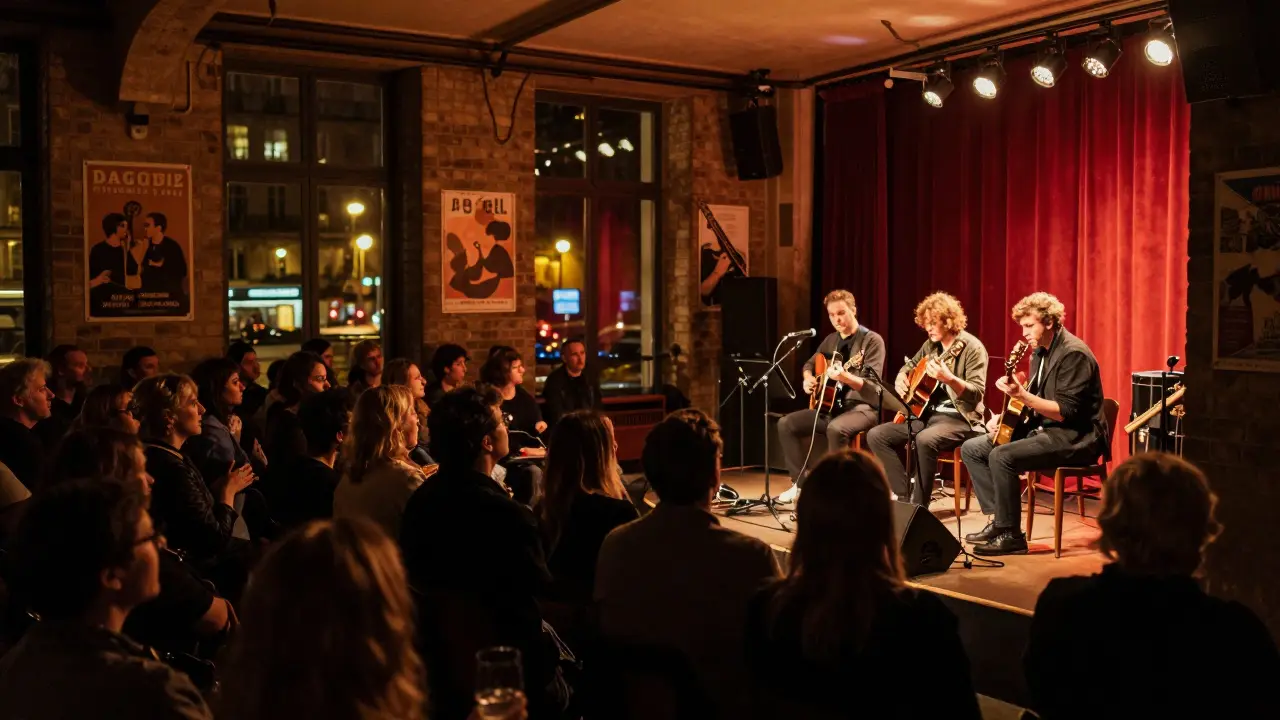
Paris isn’t just about the Eiffel Tower and croissants. When the sun sets, the city transforms into a pulsing maze of live music venues where jazz spills out onto cobblestone streets, electronic beats echo in underground basements, and indie rock bands command crowds in converted warehouses. If you’re looking for real nightlife - not just tourist traps with overpriced cocktails - you need to know where the locals go. Here are the top live music venues in Paris that actually deliver after dark.
La Cigale
La Cigale, tucked into the 18th arrondissement near Montmartre, has been a staple since 1887. It’s not flashy, but it’s reliable. The venue holds about 1,500 people and books everything from French rock legends like Noir Désir to international indie acts like The National. The acoustics are clean, the stage is low enough to feel close to the band, and the bar doesn’t cut you off after three drinks. It’s the kind of place where you can show up at 9 p.m. on a Tuesday and still catch a full set before midnight. The crowd? Mostly Parisians in their 20s and 30s, dressed casually but with style. No velvet ropes, no bouncers checking your ID three times. Just music, sweat, and a little bit of magic.
Le Petit Bain
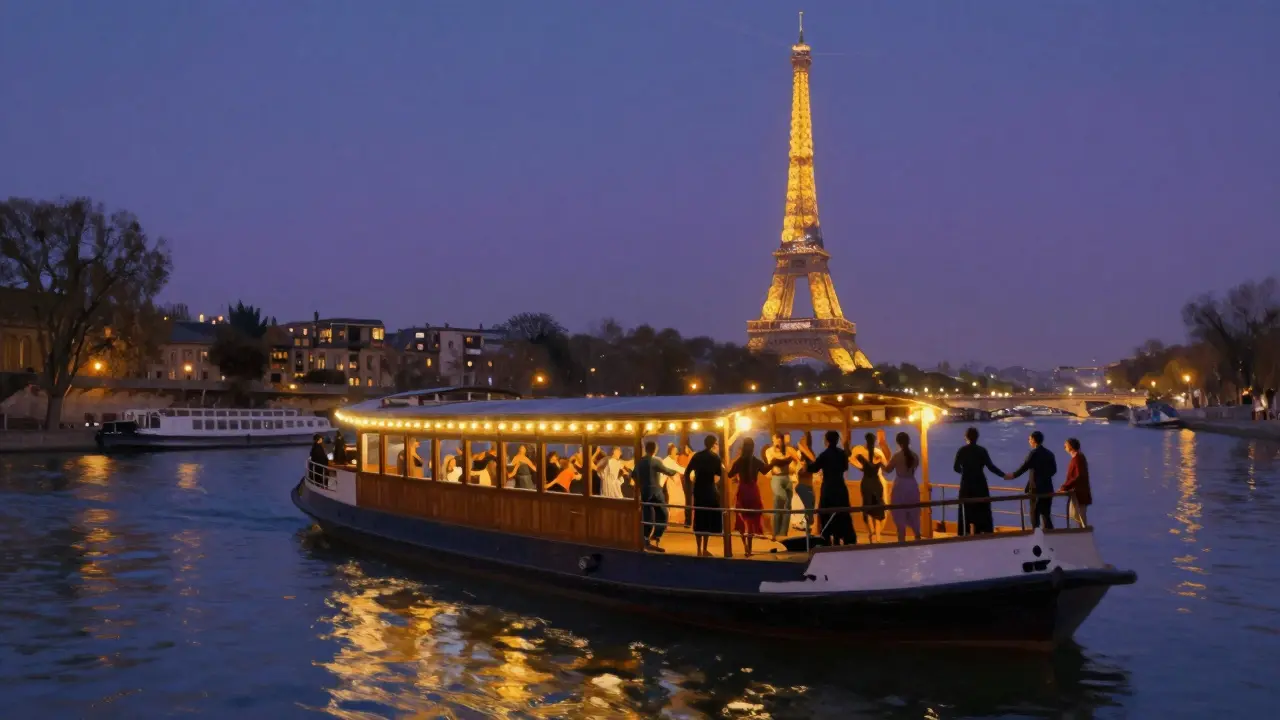
If you want something different, head to Le Petit Bain, a floating venue on the Seine near the Bir-Hakeim bridge. It’s not a club. It’s not a bar. It’s a converted barge with a wooden deck, string lights, and speakers that hum low enough to feel the bass in your chest without drowning out conversation. Weekends here are packed with electronic and experimental sets, but Tuesdays are reserved for jazz trios and acoustic soul singers. The view of the Eiffel Tower lighting up as the sun goes down is worth the 12-euro cover. Bring a light jacket - the river wind picks up after 11 p.m. And yes, you can order a glass of natural wine while swaying to a beat that feels like it was made for this exact moment.
New Morning
Down in the 10th arrondissement, New Morning has hosted everyone from Nina Simone to Kendrick Lamar since 1978. It’s small - only 300 people max - and the walls are lined with posters from decades of performances. The sound system is engineered for clarity, not volume. You hear every snare hit, every breath between lyrics. This is where jazz purists go. Where hip-hop heads discover French rappers before they blow up. Where a 60-year-old saxophonist might take the stage after a 22-year-old producer drops a new track. The staff remembers regulars. The drinks are cheap. The vibe? Intimate, respectful, and alive. You won’t find neon signs or bottle service here. Just music that matters.
Le Trabendo
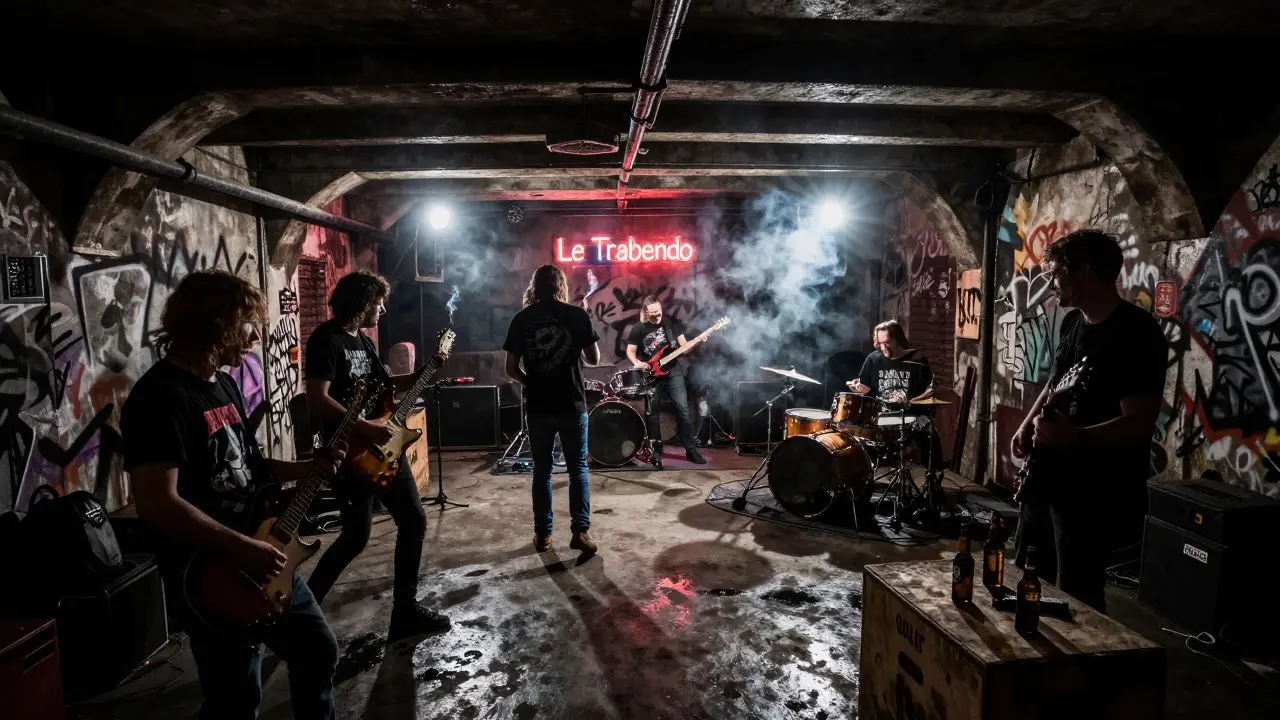
Le Trabendo, tucked under the railway arches in the 20th, is where Paris’s underground scene thrives. It’s not on any tourist map. You’ll need to walk past a kebab shop and down a narrow alley to find it. Inside, the ceiling is low, the floor is sticky, and the speakers rattle the windows. Bands here are raw - garage rock, post-punk, lo-fi pop. You’ll see kids in band tees dancing with their friends, older fans with tattoos nodding along, and a few tourists who got lost but stayed because the music was too good to leave. The bar serves only beer, wine, and cider. No cocktails. No fancy names. Just good drinks and louder music. If you want to feel like you’ve found something secret, this is it.
Le Sunset
Le Sunset, in the 11th, is where Paris goes to dance. It’s not a club. It’s a party. Every Friday and Saturday night, the venue turns into a retro-futuristic dance floor with disco balls, funk records, and DJs spinning vinyl from the 70s to today. The crowd is mixed - expats, students, artists, grandmas who still know how to two-step. The playlist never repeats. One hour you’re grooving to Chic, the next to a new French house track from a producer who just dropped it on Bandcamp. The bar runs on cash only. The bathrooms are always crowded. The music doesn’t stop until 3 a.m. And if you leave before then, you’re missing the best part.
Le Caveau de la Huchette
For something older, quieter, and deeply rooted in history, Le Caveau de la Huchette in the 5th is your spot. This cellar jazz club has been operating since 1946. It’s tiny - barely 80 seats - and the walls are stained with decades of cigarette smoke and laughter. The band plays traditional New Orleans-style jazz every night, seven days a week. No modern covers. No electric instruments. Just horns, double bass, and drums that shake the floorboards. Tourists come. Locals come. But the regulars? They’ve been here for 30 years. They know the drummer’s name. They order the same wine. They clap at the right moments. It’s not loud. It’s not trendy. But it’s real. And in a city full of noise, that’s rare.
Le Trianon
Le Trianon, near Place de Clichy, is where Paris meets the world. It’s a grand old theater turned concert hall, with gilded balconies and a stage that feels like it’s been built for legends. It books big names: Florence Welch, Radiohead, Stromae. But it also surprises you - local French bands you’ve never heard of, opening for international acts, stealing the show. The seating is mostly standing, but there are benches if you need to rest. The sound is crisp, the lighting dramatic, and the crowd? Enthusiastic but not rowdy. It’s the kind of place you go when you want to feel like you’re part of something bigger. You don’t just hear the music - you feel it in your bones.
What to Expect
Parisian nightlife doesn’t follow the rules of other cities. Doors open late - usually 10 p.m. or later. Shows start even later. Most venues don’t have cover charges until 11 p.m. or after the first set. Cash is still king at smaller spots. ATMs are scarce inside, so bring enough. Dress code? Almost never enforced. Jeans and a good shirt are fine everywhere. High heels? Only if you want to dance. The real rule? Show up with curiosity. Leave with a memory.
Best Time to Go
Weekends are packed, but weekdays are where the magic happens. Tuesday nights at New Morning often feature emerging artists. Wednesday at Le Petit Bain brings experimental sets you won’t find anywhere else. Thursday at Le Trabendo is for underground rock. Friday and Saturday are for dancing - Le Sunset, La Cigale, and Le Trianon fill up fast. Book tickets ahead if you’re going to a big name. For the smaller venues? Just show up. The best sets are the ones you didn’t plan for.
How to Find More
Follow @paris_live_music on Instagram. Check Le Parisien’s weekend culture section. Ask your hotel concierge - not the one at the Ritz, but the one at a small guesthouse in Belleville. They’ll point you to places you won’t find on Google. And if you hear music drifting from a basement or a back alley? Go in. The best nights in Paris aren’t on the itinerary.
Are live music venues in Paris expensive?
It depends. Big venues like Le Trianon or La Cigale charge 20-40 euros for popular acts. But smaller spots like Le Trabendo or New Morning often have cover charges under 15 euros, and sometimes none at all before midnight. Drinks are reasonably priced - a beer is 6-8 euros, wine around 7. You get more music for your money here than in most other European capitals.
Do I need to book tickets in advance?
For headliners at La Cigale, Le Trianon, or big jazz festivals, yes. For underground venues like Le Petit Bain or Le Caveau de la Huchette, you can usually walk in. Check the venue’s website the day before - many post last-minute changes or free shows. If a show sells out online, it’s probably worth the ticket.
Is Paris safe for nightlife?
Generally, yes. Stick to well-known neighborhoods like the 10th, 11th, 18th, and 20th arrondissements. Avoid walking alone late at night in isolated areas, especially near the Seine after midnight. Most venues are in busy areas with plenty of people. Use the metro - it runs until 1:15 a.m. on weekdays and 2:15 a.m. on weekends. Taxis are easy to find near major venues.
What’s the dress code for Paris nightlife?
There’s no strict dress code. Jeans, a clean shirt, and decent shoes work everywhere. You won’t get turned away for not wearing a suit. But Parisians do dress with care - even if it’s casual, it’s intentional. Avoid flip-flops, sweatpants, or overly touristy gear like baseball caps with logos. You don’t need to look fancy, just put-together.
Can I find English-speaking staff at these venues?
At most venues, yes - especially in the 10th, 11th, and 18th arrondissements. Staff at larger places like La Cigale and Le Trianon speak fluent English. Smaller spots like Le Trabendo or Le Caveau might have limited English, but they’re used to tourists. Pointing, smiling, and a few words of French go a long way. Most people appreciate the effort.
Caspian Beauchamp
Hello, my name is Caspian Beauchamp, and I am an expert in the world of escort services. With years of experience in the industry, I have developed a deep understanding of the dynamics and nuances of escort services in various cities. My passion for writing has led me to share my insights and knowledge through articles and blog posts, helping others navigate the world of companionship and pleasure. I pride myself on providing honest, accurate, and engaging content that appeals to a wide range of readers. Join me as I explore the fascinating world of escorts and the unique experiences they offer in cities around the globe.