Paris at night isn’t just about the Eiffel Tower glittering in the distance
Most tourists stick to the same few spots: Le Marais cocktail bars, the neon glow of Pigalle, or the crowded terraces along the Seine. But if you want to feel what Paris really feels like after midnight, you need to go where the locals go. The real magic happens in alleyways, behind unmarked doors, and in basements no map will show you.
The secret speakeasies no guidebook mentions
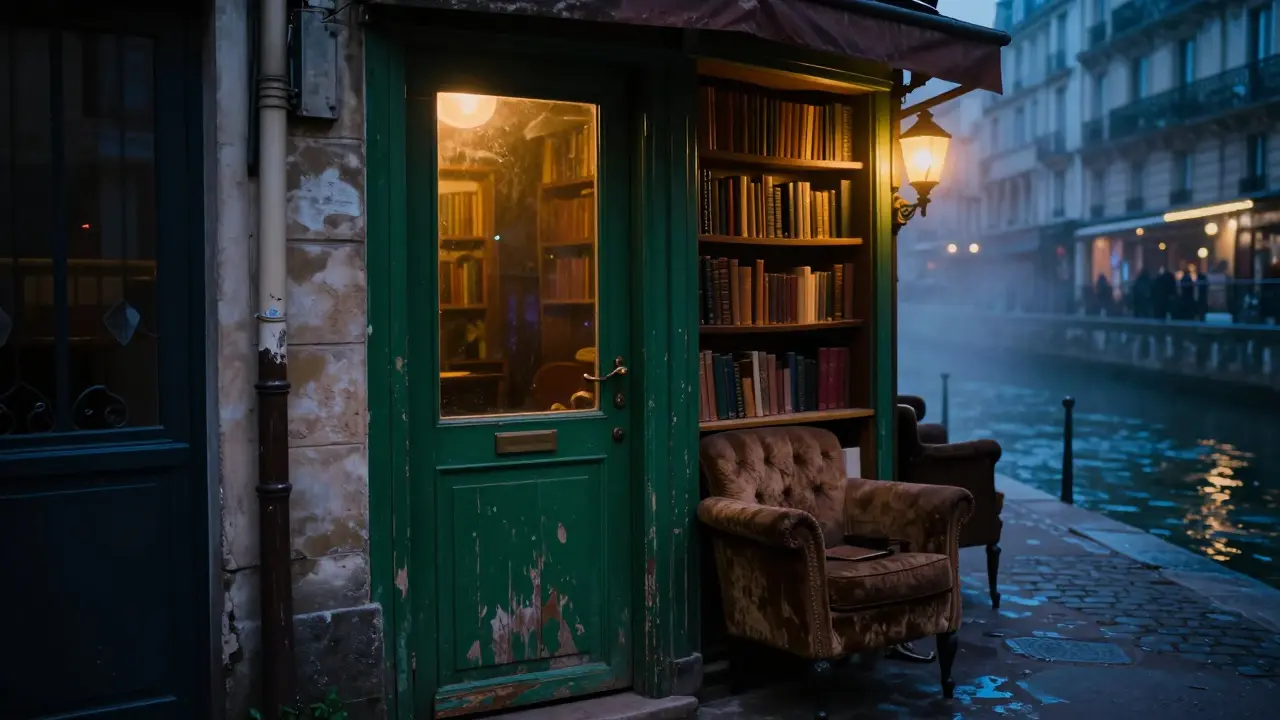
Paris has over 300 hidden bars, but only a handful have survived the last decade without turning into Instagram photo ops. One of the oldest is Le Comptoir Général-not because it’s fancy, but because it’s impossible to find unless someone tells you. Walk past the flea market on the Canal Saint-Martin, look for a faded green door with no sign, and knock twice. Inside, you’ll find mismatched armchairs, books from every continent, and bartenders who remember your name even if you’ve only been once. They don’t have a menu. You tell them what you like, and they make something you didn’t know you needed.
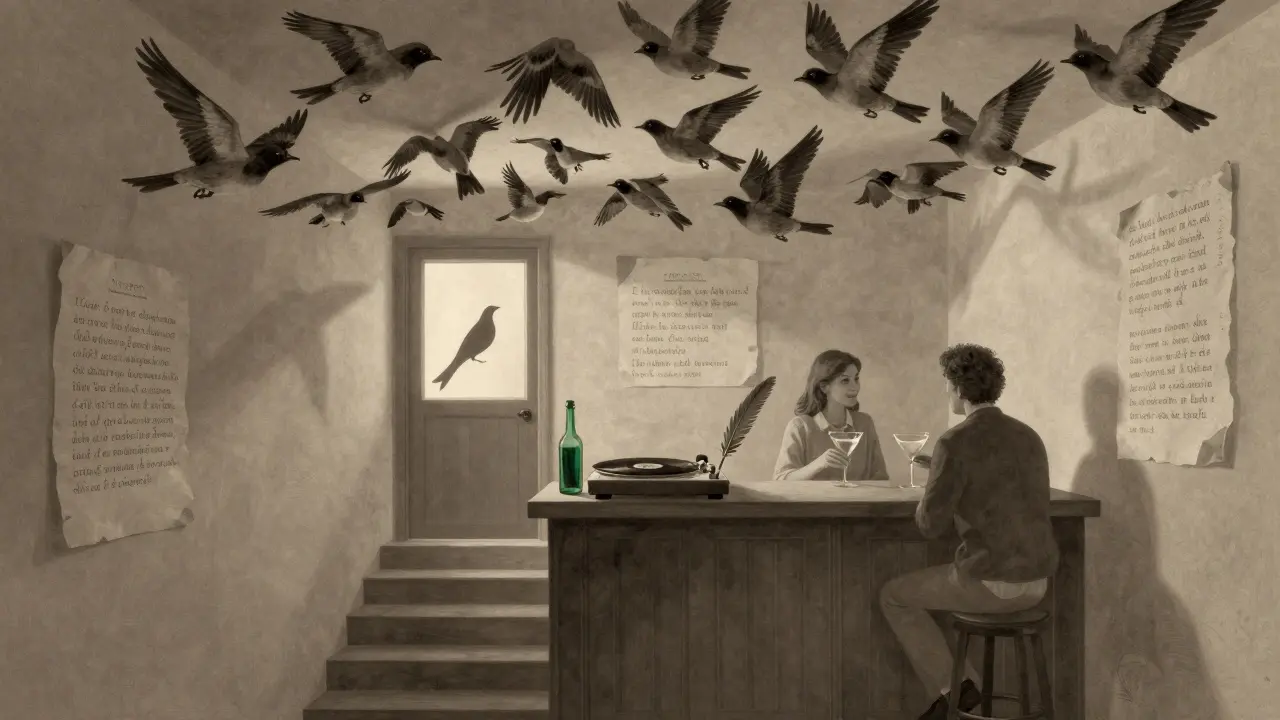
Another one is Bar des Oiseaux tucked under a staircase in the 11th arrondissement. The only clue is a tiny bird silhouette on the door. Inside, the ceiling is lined with real taxidermied birds. The cocktails are named after French poets. The music? Jazz from the 1950s, played on vinyl. No one takes photos here. Everyone whispers. It’s the kind of place where you might end up talking to a retired opera singer who used to perform at the Palais Garnier.
Where the real party starts after 2 a.m.
Most clubs in Paris close by 2 a.m. But the ones that matter? They don’t close until sunrise. Concrete, in the 13th, is one of them. It’s not glamorous. It’s a converted warehouse with concrete floors, no VIP section, and no dress code. The crowd? Artists, students, DJs from Berlin, and French grandmas who dance like no one’s watching. The sound system is so powerful you can feel the bass in your ribs. They don’t play Top 40. They play obscure French house, raw techno, and rare disco edits from the 80s. You won’t see a single bottle service table. But you’ll leave at 6 a.m. with a new playlist and a few new friends.
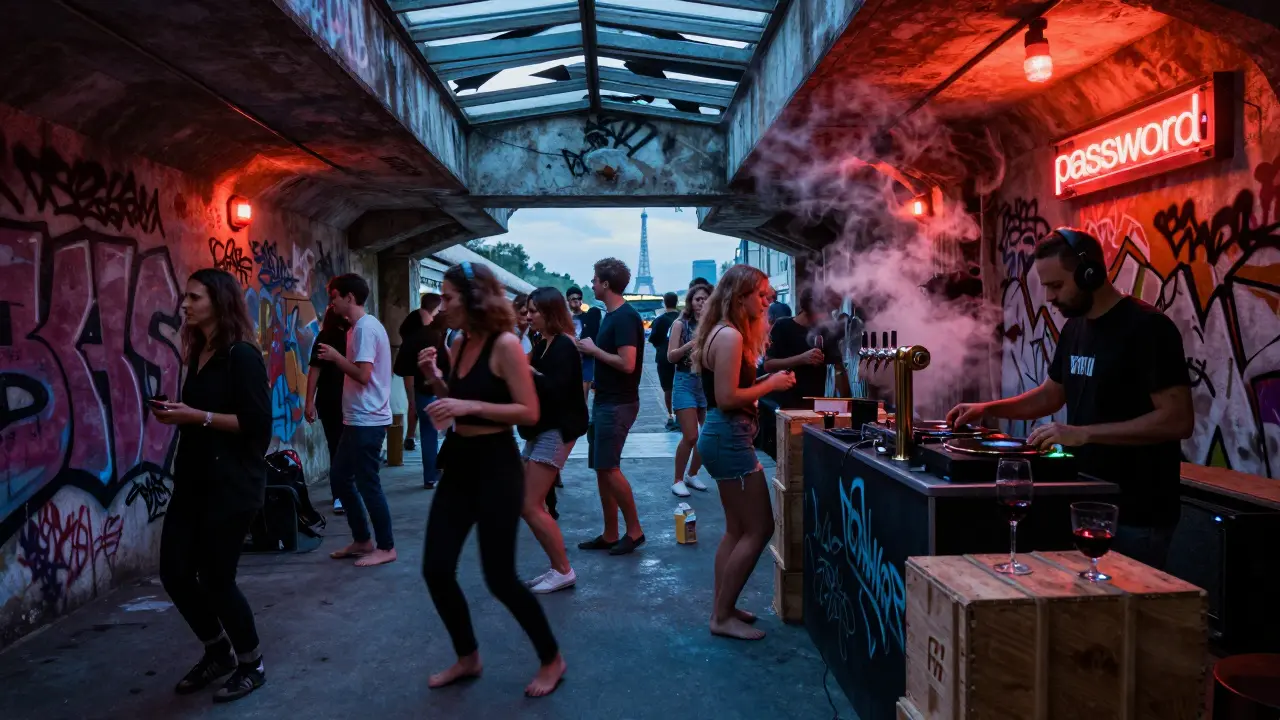
Then there’s La Station-a former train station turned underground club. You need to know the password. It changes every week. You get it by texting a number on a flyer taped to a metro pillar near Gare de l’Est. Inside, the walls are covered in graffiti from artists who’ve been banned from galleries. The DJ is usually someone who just released a track on Bandcamp. The drinks? Beer from local microbreweries, and a $3 glass of red wine that tastes better than anything you’ve had in a Michelin-starred restaurant.
The rooftop that doesn’t exist on Google Maps
There’s a rooftop bar on the 6th floor of a nondescript building near Place de la République. The elevator doesn’t work. You take the stairs. At the top, you’re greeted by a woman in a beret who asks, "Are you here for the view or the music?" If you say "both," she lets you in. There’s no sign. No website. No Instagram. Just a few tables, a DJ spinning French indie rock, and a 360-degree view of Paris lit up like a painting. You can see Montmartre, the Arc de Triomphe, and the distant glow of the Eiffel Tower-all without the crowds. Locals bring their own wine. Some nights, someone brings a guitar. Someone always sings along.
Where the artists and poets still gather
On the Left Bank, near the Luxembourg Gardens, there’s a tiny café called Le Procope-not the famous one, the one down the street. It’s been around since 1972. The owner, a retired actor, still sits at the same corner table every night. He doesn’t speak English. But he’ll pour you a glass of absinthe and point to a photo on the wall: a young Jean-Paul Sartre, smoking, laughing with Simone de Beauvoir. The walls are covered in handwritten poetry from customers over the last 50 years. No one takes photos. No one posts online. But if you sit quietly, someone will eventually read you a poem they wrote that night. It’s not a bar. It’s a living archive of Parisian soul.
Why the best nights start with a walk
The secret to Paris nightlife isn’t in the venues. It’s in the rhythm. Walk. Don’t rush. Let yourself get lost. Wander from the Canal Saint-Martin to the Buttes-Chaumont park. Stop at a corner bodega for a baguette and cheese. Watch how the streetlights flicker on as the night deepens. Notice the old man playing accordion near the Pont Neuf. The woman who sells chestnuts on the corner of Rue Mouffetard. The group of teenagers laughing in the metro, singing along to a song you’ve never heard.
Paris doesn’t sell nightlife. It lives it. And if you’re patient enough to wait for it, it’ll find you.
What to avoid if you want the real thing
Stay away from anything with "Paris Night" in the name. Skip the cocktail bars that charge €20 for a gin and tonic with a cucumber slice. Avoid the clubs that play Ed Sheeran at midnight. Don’t follow influencers to places with neon signs and velvet ropes. The real spots don’t advertise. They don’t need to.
Also, don’t expect to walk in and get a table. These places don’t take reservations. You show up. You wait. You listen. You pay in cash. And if you’re lucky, you’ll leave with more than just a drink-you’ll leave with a memory that doesn’t fit on a phone screen.
When to go
Weekends are crowded, even in the hidden spots. The best nights are Tuesday and Wednesday. That’s when the regulars come back. That’s when the DJs play their favorite tracks. That’s when the barkeep remembers you from last month.
Start late. Don’t show up before 11 p.m. The real energy doesn’t kick in until after midnight. And don’t leave before 3 a.m. That’s when the magic happens.
How to find these places without a guide
You don’t need an app. You don’t need a blog. Just talk to people. Ask the cashier at the boulangerie what they do after work. Ask the librarian at the Médiathèque if they know a quiet bar nearby. Ask the taxi driver to take you somewhere "where the locals go." Most of them will smile and say, "Follow me."
Or better yet-get lost on purpose. Take a random metro stop. Walk three blocks. Turn left at the second alley. Look for a door with no sign. Knock twice. If someone answers, you’re in the right place.
Are these hidden bars safe for tourists?
Yes, absolutely. These places are not dangerous-they’re just quiet. Locals treat visitors with curiosity, not suspicion. The only risk is getting so caught up in conversation that you lose track of time. Stick to cash, don’t flash expensive gear, and trust your gut. If a place feels off, walk out. But most of these spots are run by people who’ve lived here for decades and care deeply about keeping their space real.
Do I need to speak French to get in?
Not at all. Most bartenders and hosts speak enough English to help you order. But if you learn a few basic phrases-"Bonjour," "Merci," "Qu’est-ce que vous recommandez?"-you’ll get better service, better drinks, and maybe even an invitation to stay for the next set. People notice effort. It matters more than fluency.
What’s the average cost for a drink at these spots?
Around €8 to €12 for a cocktail. Beer is €4 to €6. Wine by the glass? €5 to €7. You won’t find €20 cocktails here. You won’t find any fancy garnishes, either. What you get is quality. Real gin. Fresh herbs. Homemade syrups. And a bartender who knows exactly how to mix it.
Can I bring a group of friends?
Small groups are fine-two to four people. Big groups? Not welcome. These places are intimate by design. If you show up with six people and demand a table, you’ll likely be turned away. The point isn’t to party loud. It’s to be present. If your group respects that, you’ll be fine. If you’re loud, pushy, or expect VIP treatment, you’ll be asked to leave.
Is there a dress code?
No. Not really. No one cares if you’re wearing jeans, a dress, or a hoodie. But avoid touristy outfits: baseball caps, fanny packs, matching shirts, or flip-flops. Dress like you’re going to a friend’s apartment for dinner. Comfortable. Clean. Real. That’s the uniform here.
What’s the best time of year to experience this?
Late spring to early fall-May through September-is ideal. The weather is warm, the streets are alive, and the hidden spots are open later. But winter has its own charm. Snow-dusted alleyways, hot mulled wine in hidden cafés, and the quiet hum of the city under a pale moon. If you go in January, you’ll have the place mostly to yourself. That’s when the real insiders come out.
Next steps if you want to go deeper
If you’ve read this far, you’re already thinking like a local. Now, pick one spot. Just one. Go there alone. Arrive at 11:30 p.m. Don’t look at your phone. Sit at the bar. Order something you’ve never tried. Listen to the music. Watch the people. Let the night unfold. You won’t remember the name of the bar next week. But you’ll remember how it felt to be part of something real.
Caspian Beauchamp
Hello, my name is Caspian Beauchamp, and I am an expert in the world of escort services. With years of experience in the industry, I have developed a deep understanding of the dynamics and nuances of escort services in various cities. My passion for writing has led me to share my insights and knowledge through articles and blog posts, helping others navigate the world of companionship and pleasure. I pride myself on providing honest, accurate, and engaging content that appeals to a wide range of readers. Join me as I explore the fascinating world of escorts and the unique experiences they offer in cities around the globe.