When the sun goes down in Milan, the city doesn’t sleep-it switches gears. You’ll find fashion designers swapping suits for leather jackets, chefs ditching the kitchen for dance floors, and tourists who thought they’d call it a night realizing they’ve only just begun. Milan’s nightlife isn’t just about drinking; it’s about rhythm, style, and a certain effortless cool you won’t find anywhere else in Italy.
Where the Locals Go After Dinner
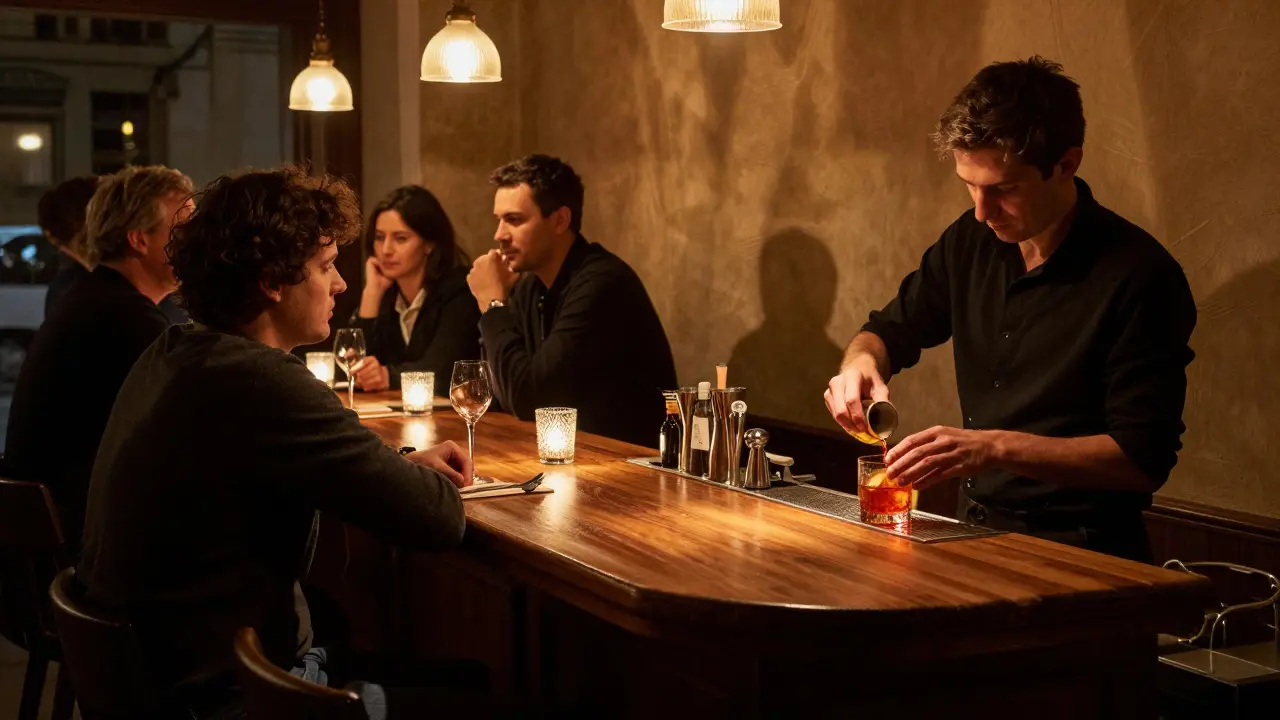
Forget the tourist traps near Duomo. If you want to feel like a Milanese, head to Brera. This neighborhood, once an artist’s haven, now buzzes with intimate wine bars and cocktail lounges where the music is low, the lighting is dim, and the conversation flows like the Nebbiolo on the table. Try Bar Basso-famous for inventing the Negroni Sbagliato. It’s small, unassuming, and packed every night. You won’t find a menu. Just tell the bartender what you’re in the mood for, and they’ll make something that feels like it was crafted for you.Walk a few blocks to Alchimia, a hidden speakeasy behind a bookshelf. You need a password (ask your hotel concierge or check their Instagram). Inside, mixologists use house-infused spirits and smoke-filled glass domes. It’s not loud. It’s not flashy. But it’s the kind of place that makes you want to stay until sunrise.
Clubbing Like a Supermodel
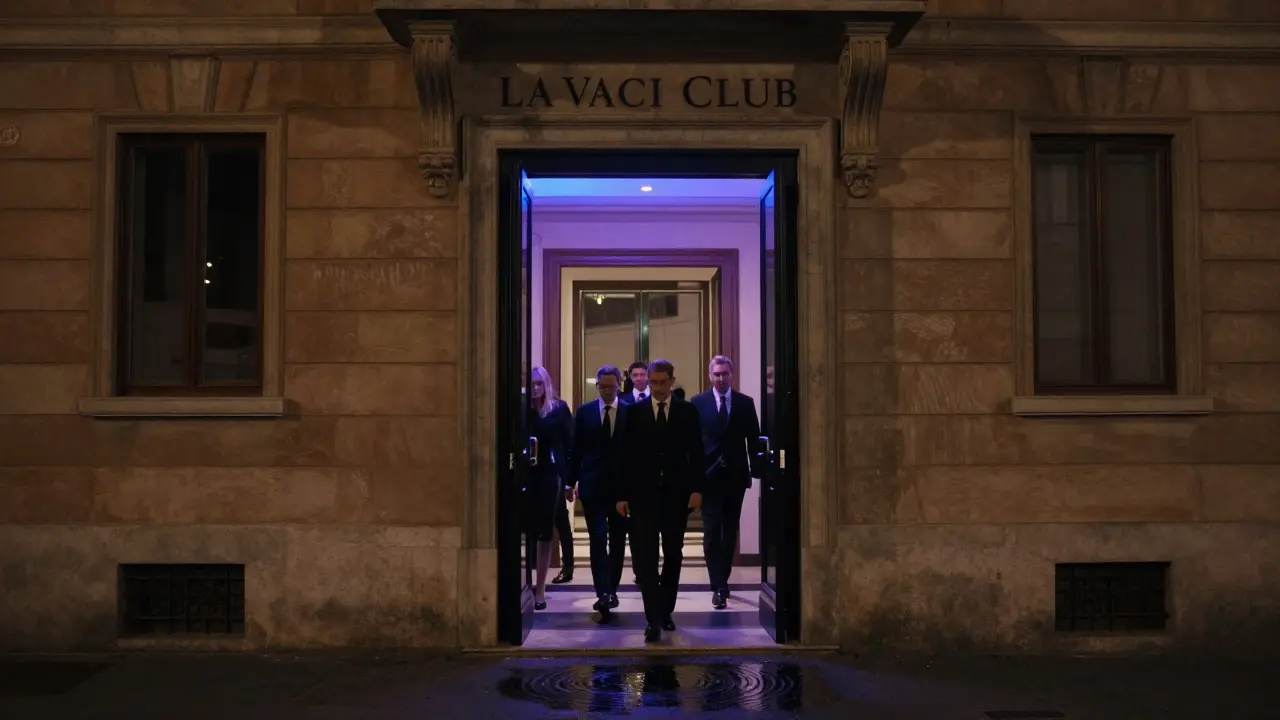
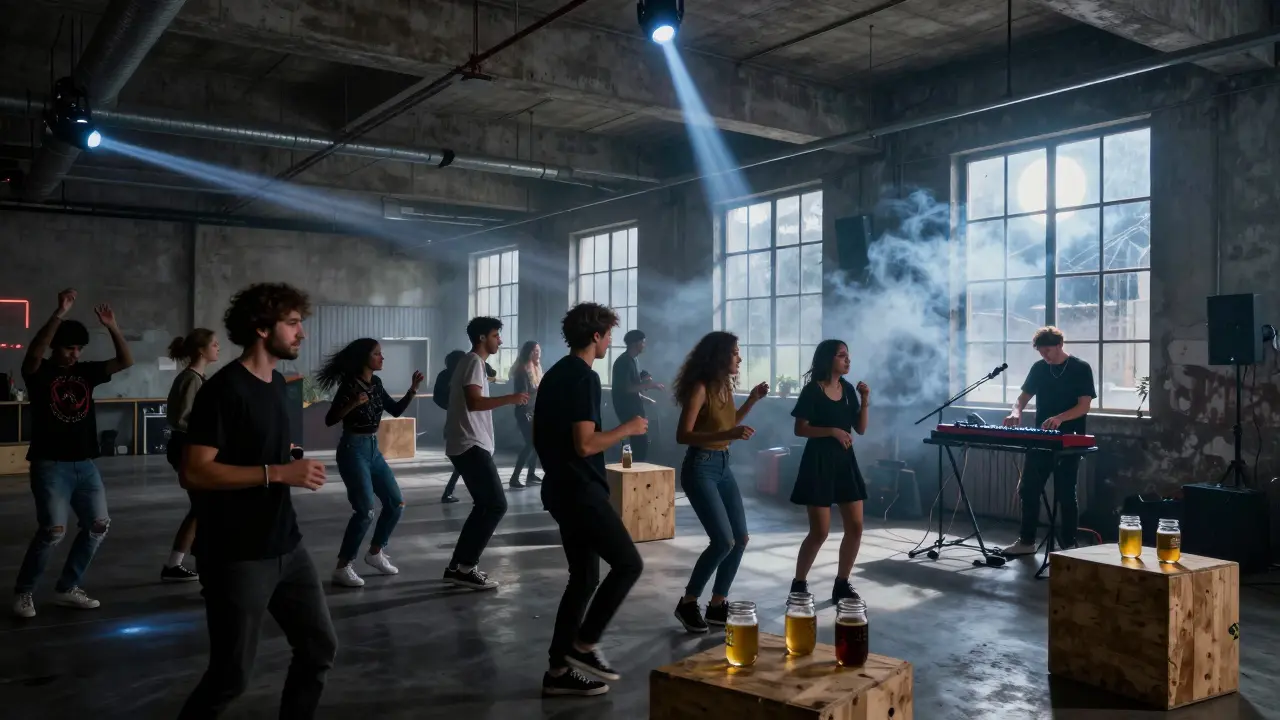
If you’re ready to dance, La Scala Club is where Milan’s elite go. Don’t expect a giant neon sign. The entrance is discreet, tucked into a 19th-century palazzo near Porta Venezia. The crowd? Models, architects, and international DJs who’ve played everywhere from Ibiza to Tokyo. The sound system is custom-built-bass so deep you feel it in your ribs. They don’t play Top 40. You’ll hear deep house, techno, and rare disco edits from the ’80s and ’90s. Cover is €20 after midnight, and they check your outfit. No flip-flops. No hoodies. This isn’t a rule-it’s a standard.For something more underground, try Ex Dogana, a converted 1970s industrial warehouse on the edge of the city. It’s not in the guidebooks. You’ll find it by following the bassline. Local artists play live sets here-electronic, experimental, ambient. The crowd is younger, looser, and more diverse. They don’t serve cocktails in fancy glasses. They serve beer in mason jars and espresso shots at 3 a.m. to keep you going.
Bars That Turn Into Clubs
Some of Milan’s best nights start with a cocktail and end with a rave. Spazio Tre is one of them. By 9 p.m., it’s a stylish wine bar with live jazz. By 11 p.m., the lights dim, the DJ drops a beat, and the tables get pushed aside. No sign says "club." No bouncer stands at the door. You just know when it happens. People start dancing. The music gets louder. The energy shifts. It’s magic.Another favorite is Bar Basso’s sister spot, Bar Luce, designed by Wes Anderson. It looks like a 1950s Italian cafeteria-red booths, checkered floors, a tiny counter serving Aperol spritzes. But after 10 p.m., it becomes a lounge for creatives. You’ll see photographers, writers, and musicians arguing about art, music, and the meaning of silence. It’s not a party. But it’s where the best stories start.
What to Wear (And What Not To)
Milan doesn’t care if you’re rich. It cares if you care. You don’t need a designer label, but you do need to look intentional. For clubs: dark jeans, a fitted shirt or blouse, clean leather shoes. No sneakers unless they’re all-white and spotless. No baseball caps. No tank tops. You’ll be turned away from places like La Scala Club if you show up looking like you’re heading to the gym.For bars? Smart casual. A blazer over a t-shirt. A silk scarf. A well-tailored coat. Even in winter, Milanese dress like they’re walking a runway-because in a way, they are. The city is watching. And they notice.
When to Go
Milan’s nightlife doesn’t follow the same clock as other cities. Dinner ends at 10 p.m. Bars fill up after 11. Clubs don’t really get going until 1 a.m. And the real party? That starts at 3 a.m. when the last DJ spins a classic and the crowd sings along.Friday and Saturday are packed. But if you want to feel like you’ve got the city to yourself, go on a Wednesday. The crowds are thinner, the drinks are cheaper, and the DJs are experimenting. You’ll hear tracks you won’t find anywhere else.
What Makes Milan Different
In Rome, nightlife is about history. In Naples, it’s about passion. In Milan, it’s about precision. Every detail matters-the way the glass is chilled, the exact BPM of the track, the angle of the light on your face. It’s not just about having fun. It’s about doing it right.You won’t find giant EDM festivals or karaoke bars. There’s no trashy club with a name like "Club Heaven." Milan’s scene is quiet, confident, and deeply curated. It’s not for everyone. But if you’ve ever wanted to feel like you’ve stepped into a film by Antonioni or a photo by Oliviero Toscani-this is where you’ll find it.
Pro Tips for a Perfect Night
- Reserve a table at popular spots like La Scala Club before you arrive. Walk-ins often wait over an hour.
- Bring cash. Many places don’t take cards after midnight.
- Download the app Spotify and follow the playlist "Milan Nightlife 2025"-it’s updated weekly by local DJs.
- Take the metro after 2 a.m. It runs all night on weekends. The last train from Porta Venezia leaves at 3:45 a.m.
- Don’t ask for a vodka soda. If you want something simple, order an Aperol spritz or a Campari soda. That’s what locals drink.
What to Skip
Avoid the bars around Piazza del Duomo after 10 p.m. They’re overpriced, loud, and full of tourists who don’t know the difference between a Negroni and a soda water. You’ll pay €18 for a drink that tastes like sugar and regret.Stay away from "Italian-themed" clubs that play "Volare" and "That’s Amore" on loop. They’re for cruise ship passengers and people who think Italy is just pasta and opera.
And don’t try to force your way into a club if you’re not dressed right. Milan doesn’t care how much money you have. It only cares how well you’ve thought this through.
What’s the best night to go out in Milan?
Friday and Saturday are the busiest, but Wednesday nights are where the real locals go. Clubs are less crowded, DJs are more experimental, and drinks are often half-price. If you want to experience Milan’s nightlife without the noise and lines, Wednesday is your best bet.
Is Milan nightlife safe?
Yes, Milan’s nightlife is generally safe. The city has a strong police presence around popular areas, and most clubs have security staff. Stick to well-known venues, avoid isolated alleys after midnight, and keep your valuables out of sight. Like any major city, petty theft happens-but violent incidents are rare.
Do I need to speak Italian to enjoy the nightlife?
No, but knowing a few phrases helps. Most bartenders and club staff speak English, especially in tourist areas. But if you say "Un Aperol, per favore" or "Grazie" with a smile, you’ll get better service. Locals appreciate the effort.
How much should I budget for a night out in Milan?
Plan for €50-€100 per person. Drinks cost €12-€18 at bars, €20-€25 at clubs (including cover). Dinner at a nice spot runs €30-€60. If you’re going to a high-end club like La Scala Club, expect to spend closer to €100. Skip the tourist traps-they’re more expensive and worse quality.
Are there any all-night venues in Milan?
Yes. Ex Dogana and some underground spots stay open until 6 a.m. or later on weekends. There’s also Bar Basso, which sometimes stays open past 5 a.m. if the crowd is still there. The metro runs all night on weekends, so getting home isn’t a problem.
Caspian Beauchamp
Hello, my name is Caspian Beauchamp, and I am an expert in the world of escort services. With years of experience in the industry, I have developed a deep understanding of the dynamics and nuances of escort services in various cities. My passion for writing has led me to share my insights and knowledge through articles and blog posts, helping others navigate the world of companionship and pleasure. I pride myself on providing honest, accurate, and engaging content that appeals to a wide range of readers. Join me as I explore the fascinating world of escorts and the unique experiences they offer in cities around the globe.