When the sun sets over Milan, the city doesn’t sleep-it transforms. Gone are the sleek boutiques and quiet piazzas of the day. In their place: pulsing music, clinking glasses, and streets alive with people who know where the real energy is. This isn’t just a city that has nightlife. It’s a city that lives for it.
Where the Night Begins: Navigating Milan’s Key Districts
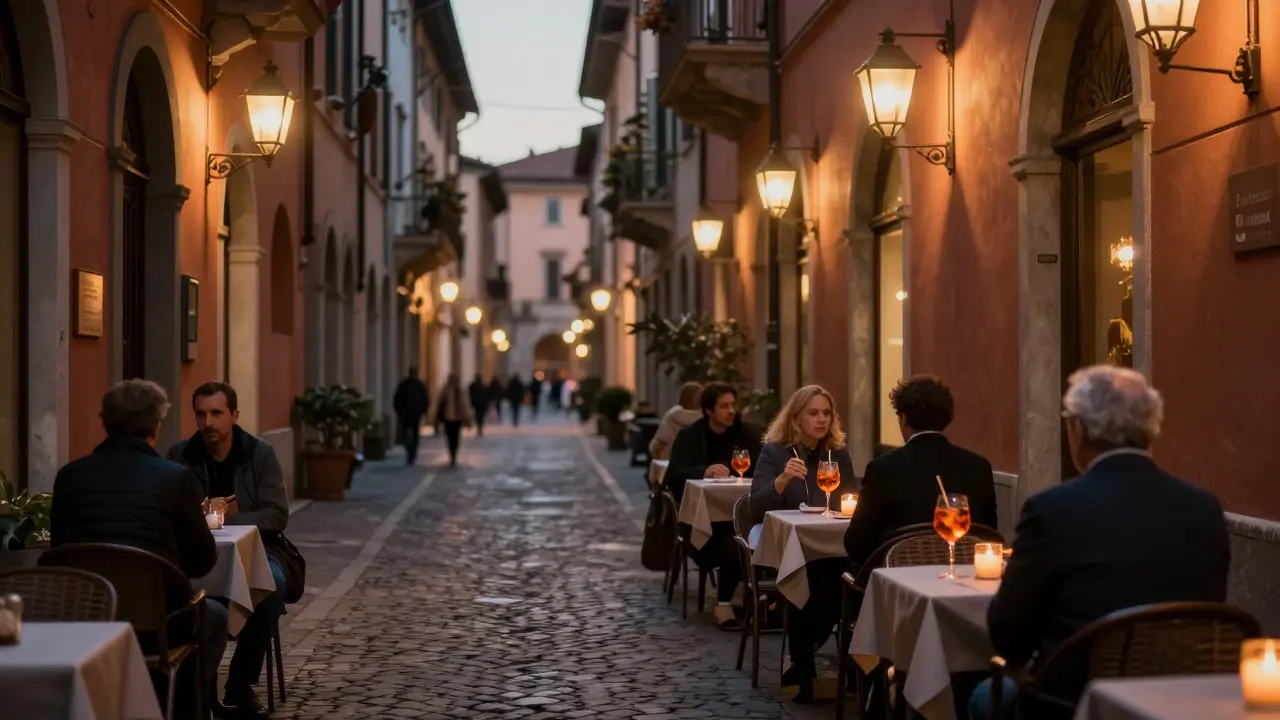
Milan’s nightlife isn’t one big party. It’s a chain of scenes, each with its own rhythm. Start in Brera, the artistic heart of the city. By 9 p.m., the cobblestone alleys fill with locals sipping Aperol spritzes at outdoor tables. It’s not about loud music here-it’s about conversation, candlelight, and the kind of atmosphere that makes you forget you’re in one of Europe’s fashion capitals. Try Bar Basso, where the Negroni was invented. It’s simple, historic, and still the gold standard.
Walk ten minutes south to Corso Como, and the vibe shifts. This is where Milan’s stylish crowd goes to be seen. Bars here are sleek, interiors minimalist, and the crowd younger. La Permanente is a favorite for cocktails with a twist-think smoked rosemary gin or black sesame martini. The crowd? Designers, influencers, and artists who treat a drink like an art form.
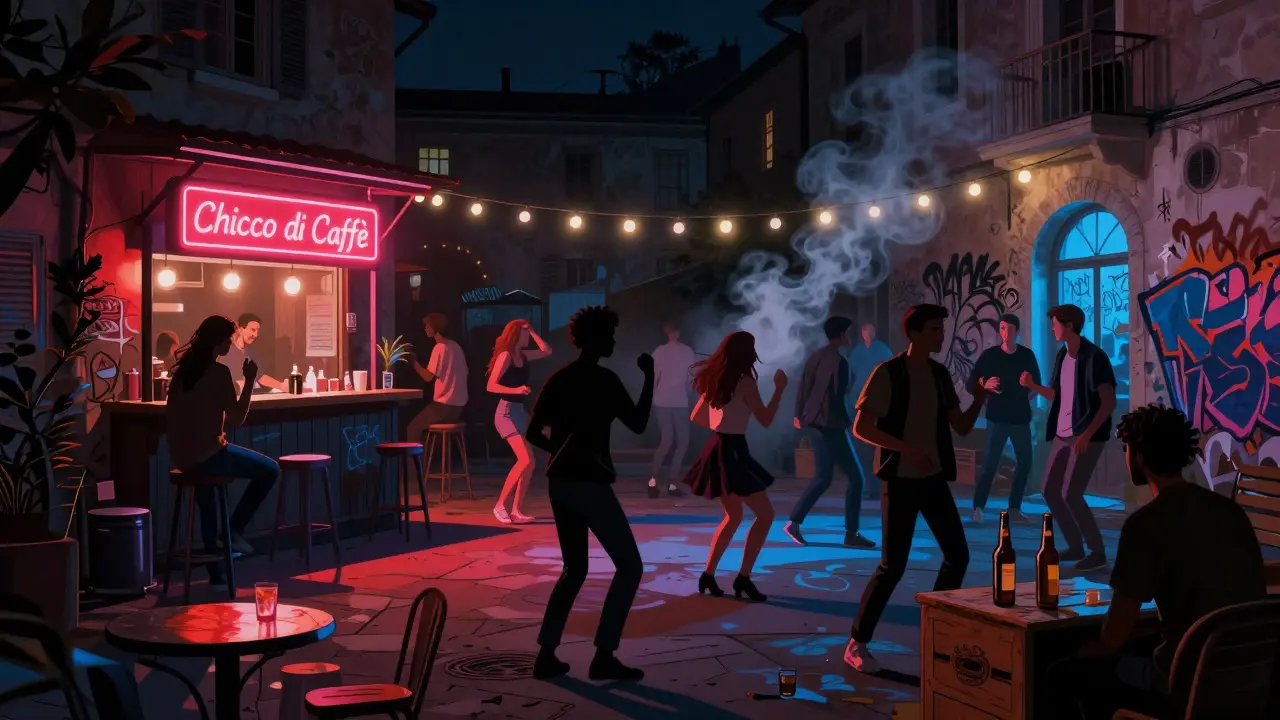
Head east to Porta Ticinese after midnight, and you’re in the heart of Milan’s underground. This district is where the real party starts. Think converted warehouses, hidden courtyards, and clubs that don’t even have signs. Chicco di Caffè is a tiny bar that turns into a dance floor by 2 a.m. No cover charge. No VIP section. Just good music, cheap beer, and a crowd that doesn’t care who you are-only if you’re dancing.
Clubs That Actually Matter
If you’re looking for a club with a reputation, La Scala isn’t the one. That’s the opera house. The real clubs? They’re tucked away, and they don’t advertise. Armani/Privé is the only place in Milan where you might spot a celebrity-think supermodels or directors from Cannes. Entry is strict, and the dress code is non-negotiable: no sneakers, no hoodies. But if you get in, you’re in one of the most exclusive spaces in Europe. The music? Deep house, filtered through a Milanese lens.
For something more raw, try Capo Verde. It’s not glamorous. It’s not even clean, sometimes. But it’s authentic. The DJ plays everything from Afrobeat to techno, and the crowd? Italians, Nigerians, Argentinians, and backpackers all dancing shoulder to shoulder. It’s open until 6 a.m., and the door doesn’t close until the last person leaves. This is where you find out what Milan’s nightlife really feels like-not what it looks like on Instagram.
Don’t skip Magazzini Generali in the Navigli district. It’s a massive warehouse space with multiple rooms, each playing a different genre. One floor is all hip-hop. Another is for electronic. There’s even a jazz corner on weekends. The best part? It’s open year-round, and tickets are never more than €15. You get more music, more space, and more people for less money than in most European capitals.
Drinks That Define the Night
Milan doesn’t do shots. It does aperitivo. From 6 p.m. to 9 p.m., bars across the city offer a drink-usually a spritz, Negroni, or gin and tonic-with a full buffet included. That’s right. Pay €12, get a cocktail, and eat your way through cold cuts, risotto balls, stuffed peppers, and fresh pasta. It’s not a snack. It’s dinner.
At Bar Luce-a spot designed by Wes Anderson-you’ll find the aperitivo served with a side of nostalgia. The decor is 1970s Italian, the music is Italian pop, and the food? Homemade. It’s the kind of place where you sit for two hours, talking to strangers who become friends by the time the last cannoli is gone.
For something stronger, head to La Bottega del Buon Caffè. They’ve got over 200 types of gin, and their bartenders can mix you something based on your mood. Tell them you’re feeling nostalgic, and they’ll make you a cocktail with elderflower and smoked salt. Tell them you’re ready to party, and they’ll whip up a spicy mezcal sour with chili tincture.
When to Go and What to Wear
Milan’s nightlife doesn’t start early. Bars open at 7 p.m., but the real action doesn’t begin until 11 p.m. Clubs don’t fill up until 1 a.m. and rarely get busy before midnight. If you show up at 9 p.m., you’ll be one of the only people there. Be patient. The rhythm is slow, but the energy builds.
As for clothes? Milan doesn’t need flashy. It needs polish. No one cares about your designer logo. But they notice if your shoes are scuffed or your shirt is wrinkled. Dark jeans, a clean button-down, and a leather jacket work everywhere. Women wear simple dresses or tailored pants-nothing too casual. You’re not going to a festival. You’re going to a city that treats style like a language. And you don’t want to mispronounce it.

What to Avoid
Don’t go to the tourist traps near the Duomo. The bars there charge €20 for a soda and play Top 40 hits from 2012. The locals avoid them. If you see a line of people in matching group shirts holding selfie sticks, walk the other way.
Don’t expect to walk into a club without a reservation after 1 a.m. on weekends. Even Magazzini Generali can get full. Book ahead if you’re going somewhere with a name. Most places don’t take online bookings, but a quick call or WhatsApp message works.
And never, ever ask for a “beer and shot.” That’s not a thing here. You’ll get a look. Either order a beer, or order a cocktail. Mixing them makes you stand out-for the wrong reasons.
How to End the Night
When the clubs close, the night doesn’t end. It moves. At 5 a.m., head to Bar Basso again. Or try La Cucina di Nonna, a tiny kitchen open all night in the Porta Venezia area. They serve warm panzerotti, creamy polenta, and espresso so strong it wakes up your bones. It’s the kind of place where the owner remembers your name if you come back twice.
Or, if you’re feeling adventurous, take a midnight walk along the Navigli canals. The water reflects the last lights of the city. The air is cool. The silence is loud. And for a few minutes, you’re the only one who knows how Milan really feels after dark.
What time do clubs in Milan usually open and close?
Most bars open around 7 p.m., but the real nightlife starts after 11 p.m. Clubs typically don’t fill up until 1 a.m. and stay open until 5 or 6 a.m., especially on weekends. Some underground spots like Capo Verde stay open until the last person leaves, often past 6 a.m.
Is Milan nightlife expensive?
It depends. Aperitivo at a trendy bar costs around €12-€15 and includes food. Club entry is usually €10-€20, with drinks at €8-€12. High-end spots like Armani/Privé charge more and have strict dress codes, but places like Magazzini Generali and Capo Verde offer great value. You can have a full night out for under €30 if you stick to local favorites.
Do I need to make reservations for clubs in Milan?
For popular clubs like Armani/Privé or La Scala, yes-especially on weekends. Most smaller venues don’t take reservations, but calling ahead on WhatsApp is common and helpful. If you’re going to a place with a name, don’t assume you can just walk in after midnight.
What’s the best night to go out in Milan?
Friday and Saturday are the busiest, with the most energy and the biggest crowds. Wednesday and Thursday are quieter but great for discovering hidden gems without the lines. Sunday nights are surprisingly lively in Navigli, with open-air parties and late-night food trucks.
Can I go out in Milan without speaking Italian?
Yes. Most bartenders and club staff in popular areas speak English. But learning a few phrases like "Un aperitivo, per favore" or "Quanto costa?" goes a long way. Locals appreciate the effort, and it opens doors to better service and even invitations to private parties.
Caspian Beauchamp
Hello, my name is Caspian Beauchamp, and I am an expert in the world of escort services. With years of experience in the industry, I have developed a deep understanding of the dynamics and nuances of escort services in various cities. My passion for writing has led me to share my insights and knowledge through articles and blog posts, helping others navigate the world of companionship and pleasure. I pride myself on providing honest, accurate, and engaging content that appeals to a wide range of readers. Join me as I explore the fascinating world of escorts and the unique experiences they offer in cities around the globe.