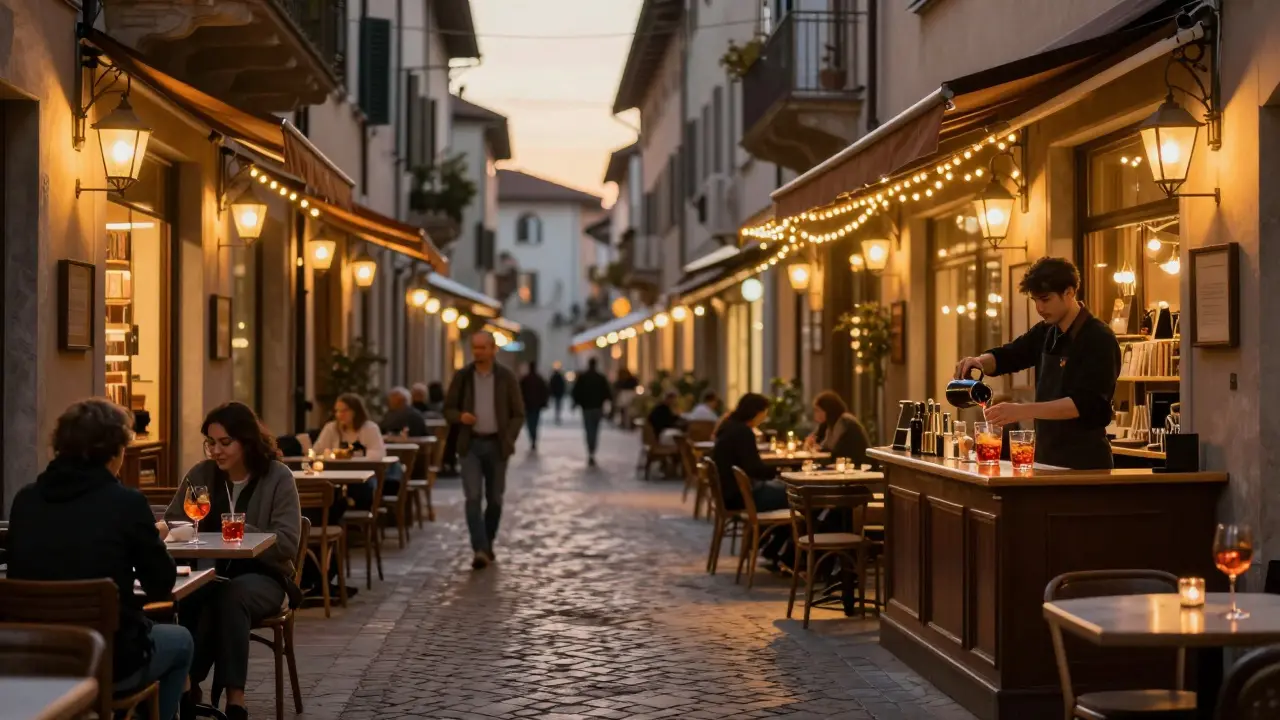
When the sun sets, Milan wakes up
Most people think of Milan as a city of fashion, design, and business. But once the workday ends, the city transforms. The streets fill with laughter, music spills from hidden courtyards, and the energy shifts from boardrooms to dance floors. If you’re looking for a night out in Milan, you’re not just going out-you’re stepping into a scene that’s as layered as its architecture.
Where to start: Brera and Navigli
Brera is where Milan’s intellectual side meets its playful one. Narrow cobblestone streets lined with vintage bookshops turn into open-air lounges after dark. Head to Bar Basso, the birthplace of the Negroni Sbagliato. It’s not flashy, but it’s legendary. Locals still order it the same way they did in the 1960s: prosecco, Campari, and a splash of vermouth. No menu. Just ask for “the Basso.”
Walk ten minutes south to Navigli, the old canal district. This is where Milan’s creative class hangs out. Canal-side terraces glow with string lights. La Zanzara is the spot for live jazz and indie bands-no cover charge, no pretense. You’ll find students, artists, and expats all sipping Aperol spritzes as the sun dips behind the brick warehouses. Don’t miss Bar San Vittore for craft cocktails and a vibe that feels like a secret.
Clubs that actually matter
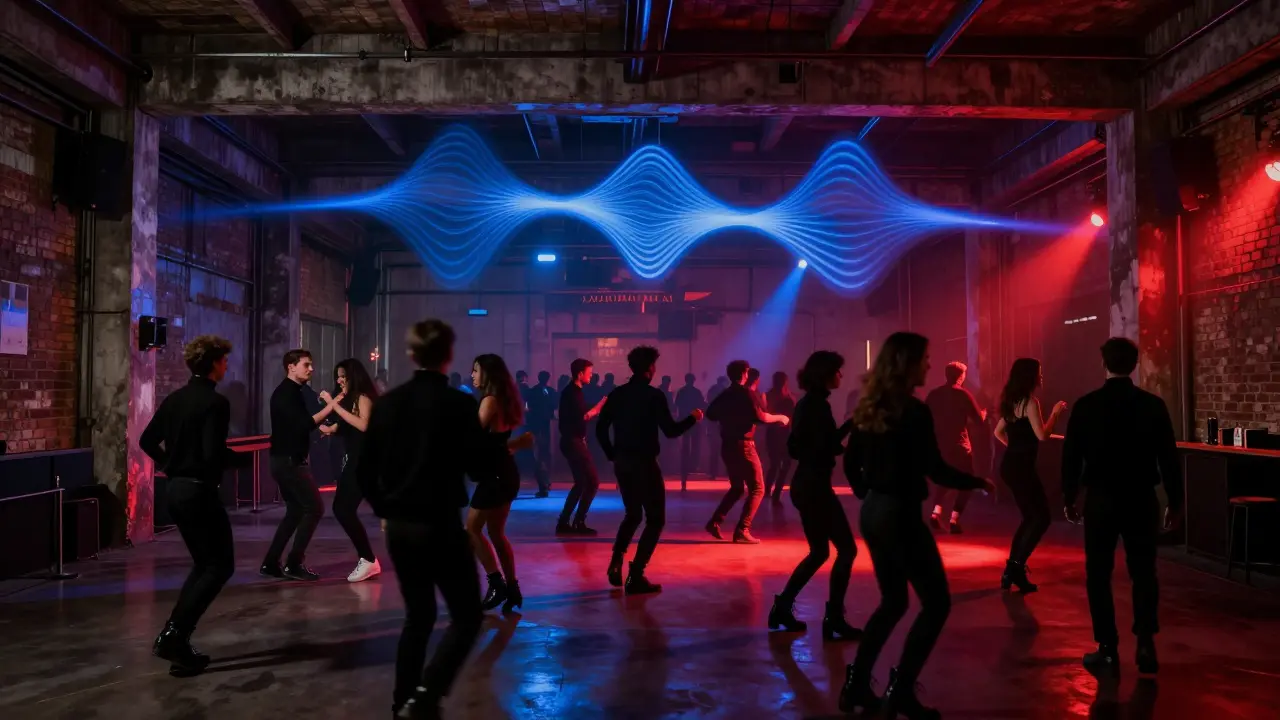
Milan’s club scene isn’t about neon signs or bottle service. It’s about sound, space, and timing. La Scala Club isn’t connected to the opera house-it’s a warehouse-turned-club near Porta Genova. Bass-heavy techno and house music pulse here from midnight until 5 a.m. The crowd? Mostly locals in black turtlenecks and leather boots. No VIP section. No bouncers checking your shoes. Just pure, unfiltered rhythm.
If you’re into underground electronic music, Teatro degli Arcimboldi is worth the trip to the outskirts. It’s not downtown, but it’s where international DJs drop surprise sets. Check their Instagram before you go-events are announced last minute. Arrive after 1 a.m. and you’ll be in the thick of it.
For something more polished, Magazzini Generali in the Porta Genova area blends art installations with clubbing. Think projection-mapped walls and DJs spinning vinyl. It’s not a party spot for beginners-it’s for people who care about the vibe as much as the beat.
Drinks that define the night
Milan doesn’t do shots. It does aperitivo. Between 6 and 9 p.m., bars offer unlimited snacks with your drink-think mini sandwiches, olives, cheese boards, and even hot pasta. Bar Luce, designed by Wes Anderson, is Instagram-famous, but the real magic is in the food. Order a Campari soda and watch the city slow down around you.
For wine lovers, Enoteca Pinchiorri offers over 2,000 bottles by the glass. You can sip a Barolo for €12 and pair it with truffle crostini. It’s not cheap, but it’s the only place in Milan where you can taste a 2010 vintage without booking a table weeks in advance.
And don’t leave without trying a Spritz-but not the tourist version. The real Milanese Spritz is 3 parts Prosecco, 2 parts Aperol, 1 part soda, with an orange slice. Anything else? You’re in a bar that doesn’t know the rules.
When to go out-and when to skip it
Milan’s nightlife doesn’t follow the same rhythm as London or Berlin. Dinner starts at 9 p.m. Clubs don’t fill until after midnight. And if you’re out before 1 a.m., you’re early. Plan accordingly.
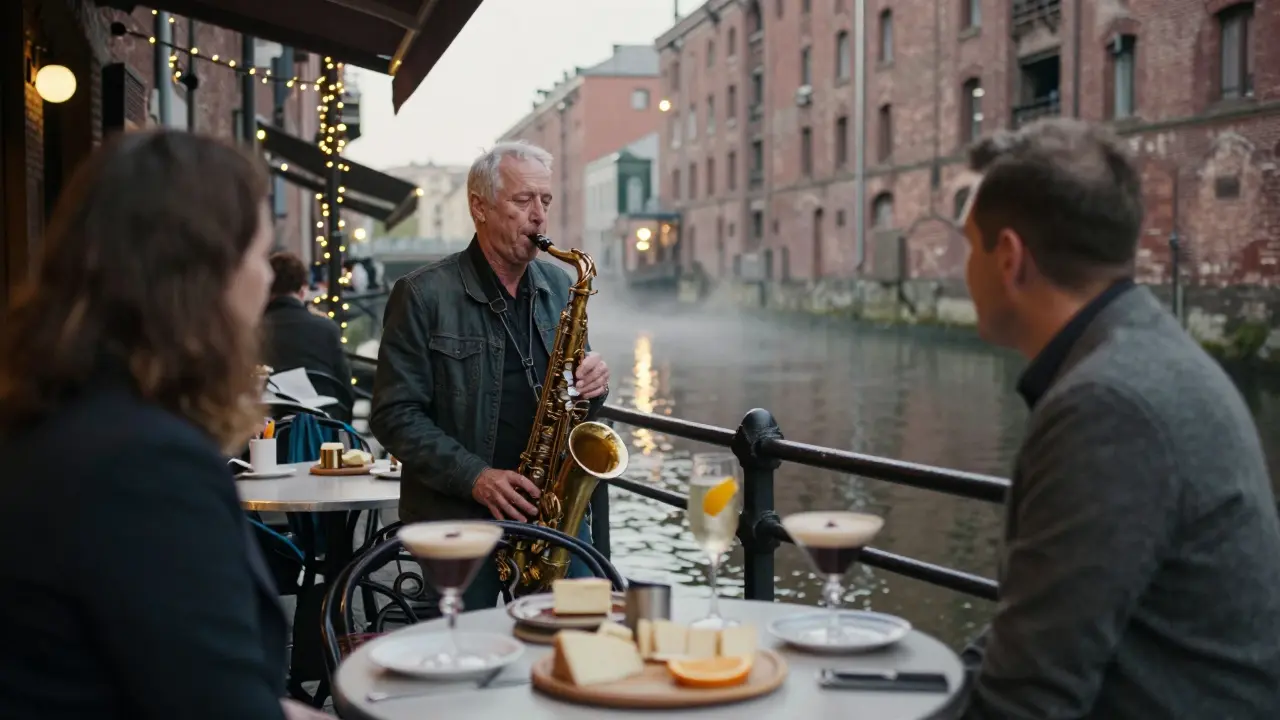
Thursday and Friday are the peak nights. Saturday is for the serious crowd-expect lines at the best clubs. Sunday? Quiet. But some bars, like Bar del Fico in Brera, host Sunday jazz brunches with live music and espresso martinis. It’s the perfect way to wind down.
Monday is dead. Tuesday? Barely alive. Wednesday is the wildcard-some venues drop surprise sets or themed nights. If you’re flexible, that’s your best shot at an unexpected experience.
What to wear
Milan doesn’t have a dress code, but it has a code. You don’t need a suit, but you do need to look intentional. No sneakers with shorts. No baseball caps. No hoodies after 8 p.m. Locals wear tailored jeans, clean leather shoes, and structured jackets-even in summer. Women often wear dresses or tailored pants with heels. It’s not about being fancy-it’s about showing you respect the night.
One rule: if you’re wearing something you’d wear to a coffee shop at noon, you’ll stand out. Not in a good way.
How to get around
The metro runs until 1:30 a.m. on weekdays and 2:30 a.m. on weekends. After that, taxis are your only option. Uber doesn’t operate here-use Free Now or local taxi apps. Avoid unmarked cabs.
Walking is safe in central areas like Brera, Navigli, and Porta Genova after dark. But don’t wander into residential zones near Lambrate or San Siro unless you know the area. Stick to well-lit streets and busy corridors.
What most tourists miss
Many visitors head straight to the Duomo area for nightlife. Big mistake. That’s where the souvenir shops and tourist bars are. The real scene is a 15-minute walk away.
Also, don’t assume every bar has English menus. Learn three phrases: “Un Aperol Spritz, per favore,” “Quanto costa?” (How much?), and “Dove si va dopo?” (Where do you go after?). Locals appreciate the effort.
And if you hear live music drifting from a courtyard? Go in. Milan’s best nights aren’t advertised. They’re whispered.
Final tip: Don’t rush it
A night out in Milan isn’t about checking off clubs. It’s about savoring the rhythm. Start with an aperitivo. Move to a jazz bar. Then, if the energy’s right, slip into a club. Let the city guide you. The best memories aren’t planned-they’re stumbled upon.
What’s the best time to start a night out in Milan?
Most locals start with an aperitivo around 7 p.m., then head to dinner at 9 p.m. Clubs don’t get busy until after midnight, and the real energy kicks in around 1 a.m. If you’re out before 11 p.m., you’re likely still eating. Plan for a long night-it’s part of the experience.
Are there any free entry clubs in Milan?
Yes, but only at certain venues and times. La Zanzara in Navigli rarely charges cover, especially on weekdays. Bar del Fico and Magazzini Generali sometimes offer free entry before midnight for early arrivals. Most clubs that charge do so after 1 a.m., and prices range from €5 to €15. Always check their social media-many post last-minute free nights.
Is Milan nightlife safe for solo travelers?
Generally, yes. Central nightlife districts like Brera, Navigli, and Porta Genova are well-lit and patrolled. Stick to main streets after dark. Avoid isolated alleys near residential zones. Taxis are reliable, and the metro runs late. As long as you stay aware and avoid overly crowded, unlit areas, you’ll be fine. Locals are helpful if you ask politely.
What’s the difference between aperitivo and happy hour?
Happy hour is just discounted drinks. Aperitivo is a full experience. In Milan, when you pay for one drink (usually €8-€15), you get access to a buffet of snacks-sometimes hot food like pasta, risotto, or pizza. It’s a tradition dating back to the 1950s. It’s not about saving money-it’s about slowing down, socializing, and enjoying the evening. The best aperitivo spots are in Brera and Navigli.
Can I go clubbing in Milan without knowing Italian?
Absolutely. English is widely spoken in nightlife venues, especially among staff. But knowing basic phrases like “Un Aperol Spritz, per favore” or “Dove si va dopo?” goes a long way. Many clubs don’t have English menus, but they’ll still serve you. The vibe is more about music and movement than language. Don’t worry about fluency-just be friendly.
Caspian Beauchamp
Hello, my name is Caspian Beauchamp, and I am an expert in the world of escort services. With years of experience in the industry, I have developed a deep understanding of the dynamics and nuances of escort services in various cities. My passion for writing has led me to share my insights and knowledge through articles and blog posts, helping others navigate the world of companionship and pleasure. I pride myself on providing honest, accurate, and engaging content that appeals to a wide range of readers. Join me as I explore the fascinating world of escorts and the unique experiences they offer in cities around the globe.