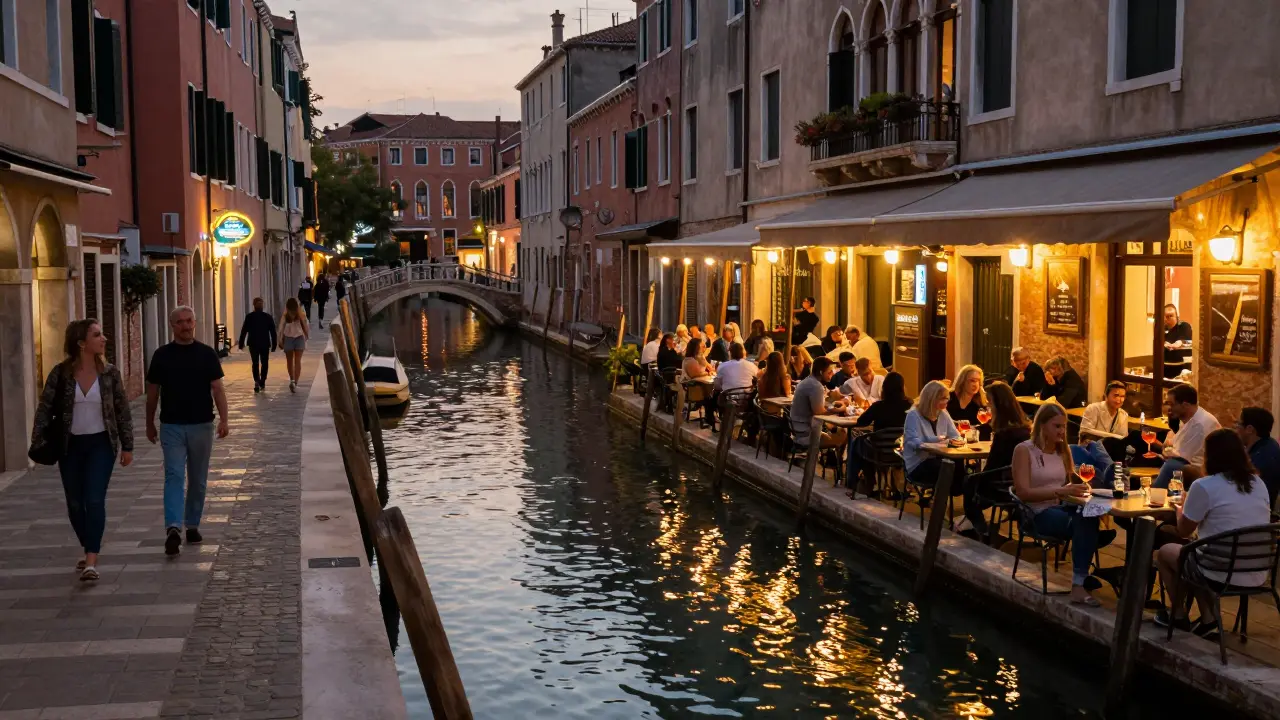
When the sun sets over Milan, the city doesn’t sleep-it switches gears. By 9 p.m., the fashion district lights up with cocktails in hand, the Navigli canals buzz with live music, and underground clubs in Brera start filling with people who don’t care about the dress code, just the beat. This isn’t just a city that has nightlife. It’s a city that lives it.
Where to Start: The Navigli District
If you want to feel like a local, head to the Navigli canals. This area, once a working waterway for transporting goods, is now Milan’s most relaxed nightlife zone. The canals are lined with outdoor terraces, retro bars, and vinyl shops that turn into pop-up clubs after midnight. Bars like Bar Basso and La Cucina del Naviglio serve Aperol spritzes that taste like sunset in a glass. On weekends, the whole stretch from Porta Ticinese to the Darsena becomes a pedestrian-only party zone.
Don’t expect glitter and neon here. Navigli is about slow sipping, long conversations, and music that drifts from open windows. Local bands play jazz, indie rock, or Italian folk-no DJs blasting EDM. If you’re looking for a real Milanese vibe, this is where you find it. Bring comfortable shoes. You’ll be walking between bars for hours.
Brera: Where the Cool Kids Go
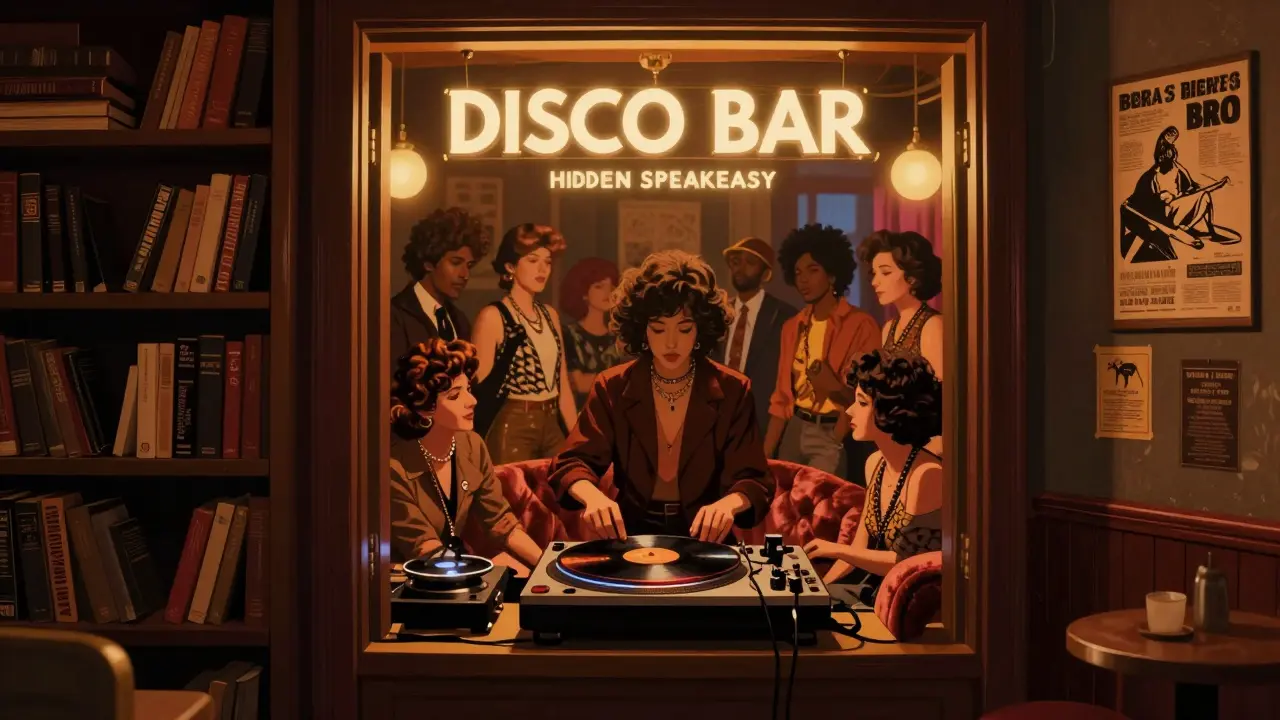
Brera is Milan’s answer to Paris’s Le Marais-artsy, intimate, and full of character. By 10 p.m., the cobblestone streets fill with students, artists, and expats sipping craft gin cocktails at Bar Basso or Il Baretto. The real magic happens after midnight, when the area’s hidden speakeasies open up. Disco Bar is one of them: a tiny, unmarked door behind a bookshelf that leads to a 1970s-inspired lounge with velvet couches and vinyl spinning from a DJ who only plays Italian disco from the ’80s.
Brera doesn’t have big clubs. It has small spaces with big personalities. La Perla is a jazz bar that turns into a late-night cocktail lounge by 2 a.m. The owner, Marco, remembers your name if you come twice. The crowd? Mostly locals who’ve been coming here for 20 years. No bouncers. No cover charge. Just a door that opens when the music gets loud enough.
The Club Scene: From Underground to High-End
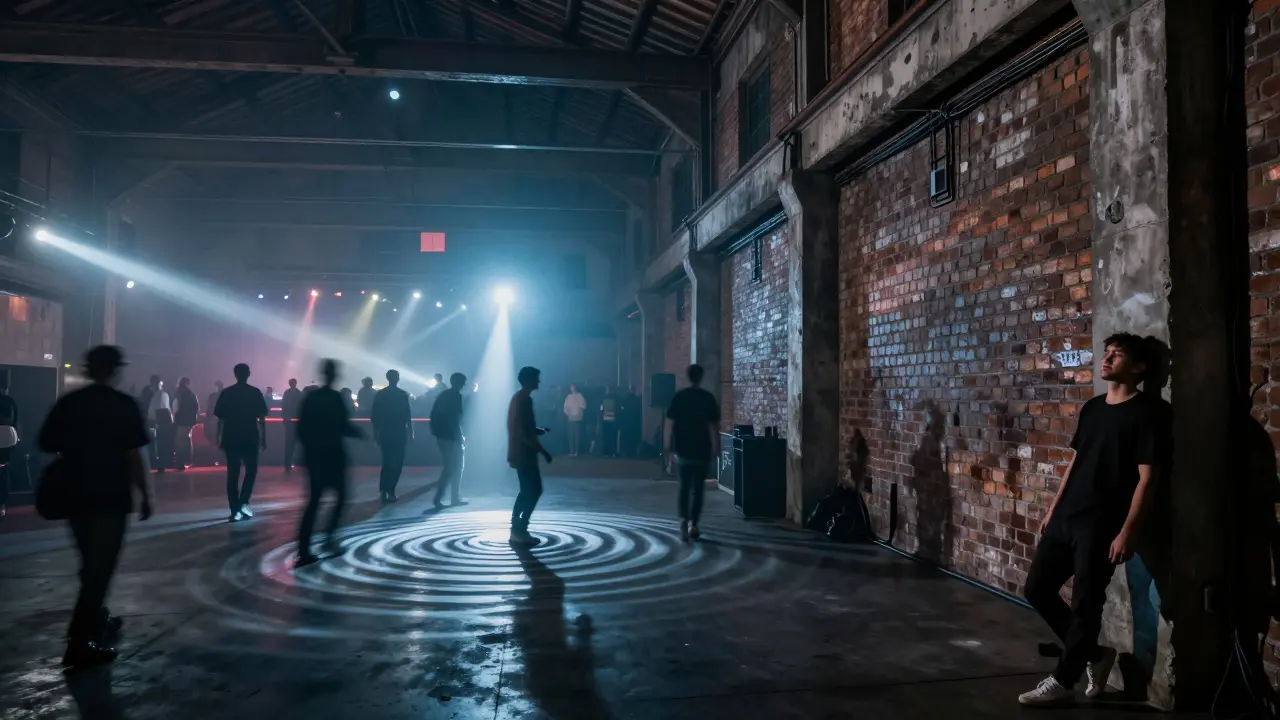
If you’re here for dancing, Milan has clubs that match every mood. Magazzini Generali is the city’s most legendary spot-a converted warehouse in the Porta Genova area that hosts everything from techno nights to experimental audiovisual shows. It’s not fancy. It’s raw. The sound system is so powerful you feel it in your ribs. Entry is €10 after midnight, and they don’t check IDs unless you look under 25.
For something more polished, try Le Jockey in the city center. It’s where Milan’s fashion crowd goes after dinner. Think designer dresses, tailored suits, and a VIP section that’s more about who you know than how much you spend. The music is house and disco, but the real draw is the people-watching. You’ll spot models, architects, and even a few footballers from AC Milan here.
And then there’s Opificio 31-a warehouse-turned-club in the outskirts that only opens on weekends. It’s not on Google Maps. You need a friend to text you the address. The crowd is international, the bass is deep, and the vibe is pure underground. No bottle service. No dress code. Just music and movement until 6 a.m.
Dinner Before the Night Begins
Milanese nightlife doesn’t start at 10 p.m. It starts at 8 p.m. with dinner. Most locals eat late. If you show up at a restaurant before 8, you’ll be the only one there. Start with a classic ossobuco at Trattoria Milanese or a plate of risotto alla milanese at La Cucina di Lino. Pair it with a glass of Franciacorta, Italy’s answer to Champagne, made just outside the city.
Don’t skip the aperitivo. Between 6 and 9 p.m., nearly every bar in Milan offers an aperitivo buffet. Pay €12-€18 for a drink (usually a spritz or gin and tonic), and you get access to a spread of snacks-think mini paninis, crostini, arancini, and even pasta dishes. It’s not just a drink. It’s a full meal. Many people skip dinner and live off aperitivo. It’s how Milan does casual dining.
What to Wear (And What Not To)
Milan is Italy’s fashion capital, and that shows up at night. You don’t need a Gucci suit to get into a club, but you do need to look like you care. No flip-flops. No baseball caps. No sweatpants. Even in the underground clubs, people dress with intention. A well-fitted jacket, clean sneakers, or a simple dress will get you in. Women often wear heels-even if they’re going to dance all night.
Brera and Navigli are more relaxed. Jeans and a nice shirt are fine. But if you’re heading to Le Jockey or a rooftop bar like Terrazza Aperol, skip the casual. A dark blazer or a silk top makes a difference. Milan doesn’t judge you for being poor-it judges you for being sloppy.
When to Go and How to Move Around
Weekends are the only real nights out in Milan. Friday and Saturday are packed. Sunday? Quiet. Most clubs close by 3 a.m., and bars start winding down by 1 a.m. If you want to stay out past 4 a.m., you need to go to Opificio 31 or a private after-party.
Public transport runs until 1:30 a.m. on weekdays and 2:30 a.m. on weekends. After that, you’ll need a taxi or Uber. Taxis are expensive-expect €15-€25 for a short ride. Uber works, but drivers are scarce after midnight. Better to book ahead or use a local app like FreeNow.
Walking is always an option in the center. Milan’s nightlife district is compact. From Duomo to Navigli, it’s a 20-minute stroll. Just don’t wander into Porta Venezia or Lambrate alone after 2 a.m.-they’re not unsafe, but they’re not nightlife zones either.
What You Won’t Find
Milan doesn’t have American-style nightclubs with bottle service and velvet ropes everywhere. There are no 24-hour bars. No karaoke joints. No dance floors that play Top 40 hits all night. If you’re looking for a club where the DJ spins Taylor Swift, you’ll be disappointed.
What you will find is authenticity. Music that matters. Drinks that taste like they were made by someone who cares. And a crowd that’s there to connect, not just to post.
Final Tip: Don’t Rush It
The best nights in Milan aren’t planned. They’re stumbled upon. You might end up in a hidden bar because the guy next to you at the aperitivo said, ‘Come with me.’ You might dance until sunrise because the music was too good to leave. That’s Milan. It doesn’t sell experiences. It gives them to you-quietly, without fanfare, and only if you’re willing to slow down and listen.
What time do clubs in Milan close?
Most clubs in Milan close between 2 a.m. and 3 a.m. On weekends, some underground venues like Opificio 31 stay open until 6 a.m. Bars usually start winding down around 1 a.m., but aperitivo spots in Navigli and Brera may stay open later with just a few customers.
Is Milan nightlife safe for tourists?
Yes, Milan’s nightlife areas are generally safe for tourists. Stick to well-known districts like Navigli, Brera, and the city center. Avoid walking alone in less populated areas like Porta Venezia or Lambrate after 2 a.m. As with any big city, keep an eye on your belongings, especially in crowded bars. Pickpocketing is rare but possible.
Do I need to make reservations for bars or clubs?
For most bars and casual clubs, no. But if you’re going to a popular spot like Le Jockey or a rooftop bar like Terrazza Aperol on a Friday night, it’s smart to book a table ahead. Underground clubs like Opificio 31 don’t take reservations-you just show up. Speakeasies like Disco Bar rely on word-of-mouth, so ask a local or check Instagram for the password.
What’s the average cost of a night out in Milan?
A full night out in Milan costs around €40-€80. That includes an aperitivo (€15), dinner (€25-€40), a few drinks at a club (€8-€12 each), and transport. If you skip dinner and stick to aperitivo, you can cut costs to €30. Upscale clubs or rooftop bars may charge €20-€30 just for entry.
Are there any dress codes I should know about?
Yes. Milan has a strong dress code culture. In upscale clubs like Le Jockey, no shorts, flip-flops, or sportswear. In Brera and Navigli, jeans and a nice shirt are fine. For underground spots like Magazzini Generali, comfort matters more than style-just avoid looking sloppy. When in doubt, dress one level up from what you’d wear to a concert.
Caspian Beauchamp
Hello, my name is Caspian Beauchamp, and I am an expert in the world of escort services. With years of experience in the industry, I have developed a deep understanding of the dynamics and nuances of escort services in various cities. My passion for writing has led me to share my insights and knowledge through articles and blog posts, helping others navigate the world of companionship and pleasure. I pride myself on providing honest, accurate, and engaging content that appeals to a wide range of readers. Join me as I explore the fascinating world of escorts and the unique experiences they offer in cities around the globe.