
Forget the daytime sights-Milan comes alive when the sun goes down. This isn’t just a city that sleeps after dinner. By 10 p.m., the streets of Navigli are buzzing, the bass thumps from hidden basements in Brera, and cocktail bars in Porta Venezia are packed with locals who’ve been waiting all week to unwind. If you think Milan is all about fashion shows and quiet cafés, you’re missing half the story.
Start in Navigli: Where the Canals Turn into Party Streets
Head straight to Navigli if you want to feel like you’ve stepped into a European film set. The two canals-Naviglio Grande and Naviglio Pavese-come alive with string lights, outdoor seating, and people dancing barefoot on cobblestones. This isn’t a tourist trap. It’s where Milanese actually go to let loose.
Try La Baita for craft beer and live acoustic sets. Or walk a few steps to Bar Basso, where the Aperol Spritz was invented in the 1980s. Don’t expect a menu. Just point at the glass in front of the bartender and say, “Un Spritz, per favore.” They’ll know what you mean.
By midnight, the crowd shifts from couples holding hands to groups of friends clinking glasses. There’s no cover charge. No dress code beyond “not pajamas.” Just good vibes, cheap wine, and the sound of Italian laughter echoing off the water.
Brera: Art, Whiskey, and Secret Spots
If Navigli is the party, Brera is the quiet conversation that follows. Narrow streets lined with galleries turn into a maze of intimate wine bars and speakeasies. This is where Milan’s creatives-designers, writers, musicians-go to talk, not to dance.
Bar del Fico is the go-to for natural wines and charcuterie boards that taste like they were made in Tuscany. Order the prosciutto with fig jam and a glass of Lambrusco. Sit at the counter. Talk to the bartender. They’ll tell you about the hidden jazz club downstairs.
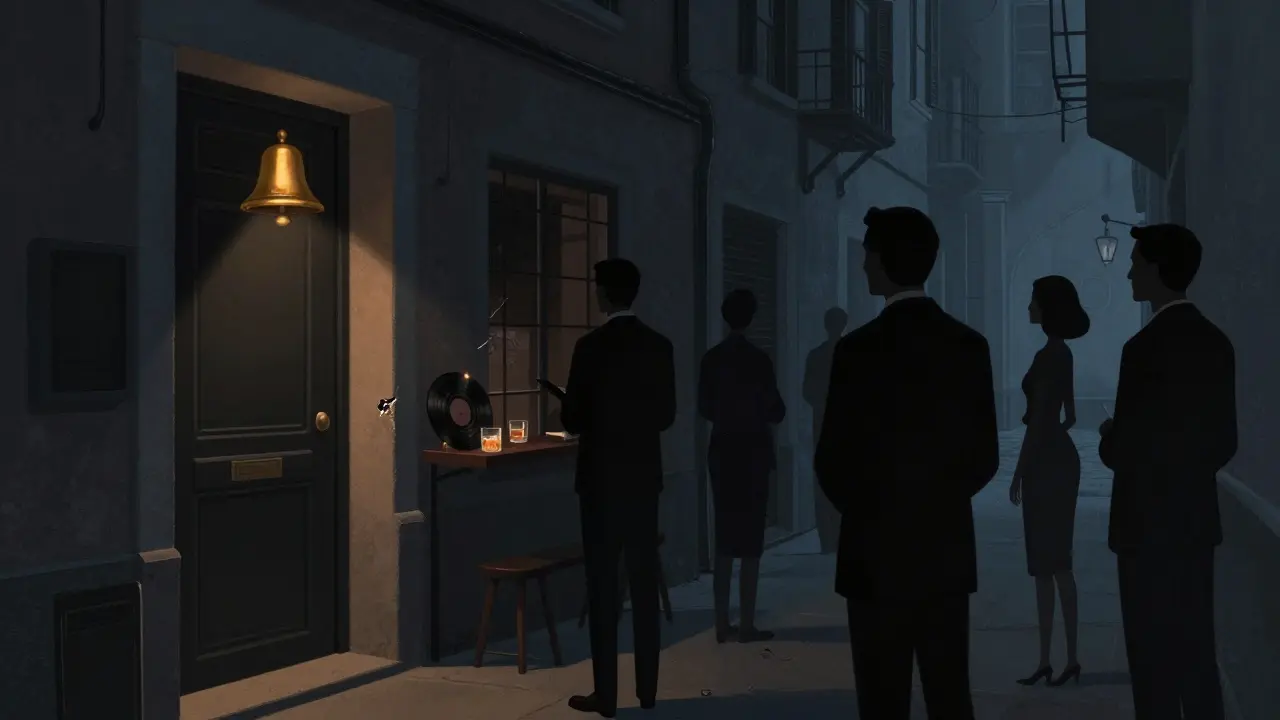
That club? It’s called Il Gatto Nero. No sign. Just a black door with a bell. Ring it. If they’re feeling it, they’ll let you in. Inside, you’ll find vinyl spinning, dim lights, and people who’ve been coming here since 1998. No phones on the table. No loud music. Just soulful jazz and the clink of whiskey glasses.
Porta Venezia: Global Flavors, Local Energy
Don’t skip Porta Venezia. This neighborhood is where Milan’s diversity shows up loud and clear. You’ll find Thai karaoke bars, Ethiopian lounges, and Irish pubs all within five minutes of each other.
Bar Pasticceria Cucchi is a 1920s gem that turns into a cocktail lounge after 9 p.m. Their Black Forest Negroni is legendary-smoky, sweet, and served with a single cherry you’re not allowed to eat until the drink’s gone.
For something wilder, head to Bar Basso’s little sister, Bar Basso 2.0, tucked behind a bookshelf in a former tailor’s shop. The cocktails here change weekly. One night it’s a gin drink with lavender and black pepper. The next, it’s a mezcal sour with smoked maple. The bartenders don’t write down recipes. They remember your face. Come back twice, and they’ll invent one just for you.
Clubs: Where the Real Night Begins
If you’re here for dancing, you need to know where the locals go after 2 a.m. Most tourists stick to the big names like Armani/Silos or La Scala’s after-parties, but those are either too expensive or too predictable.
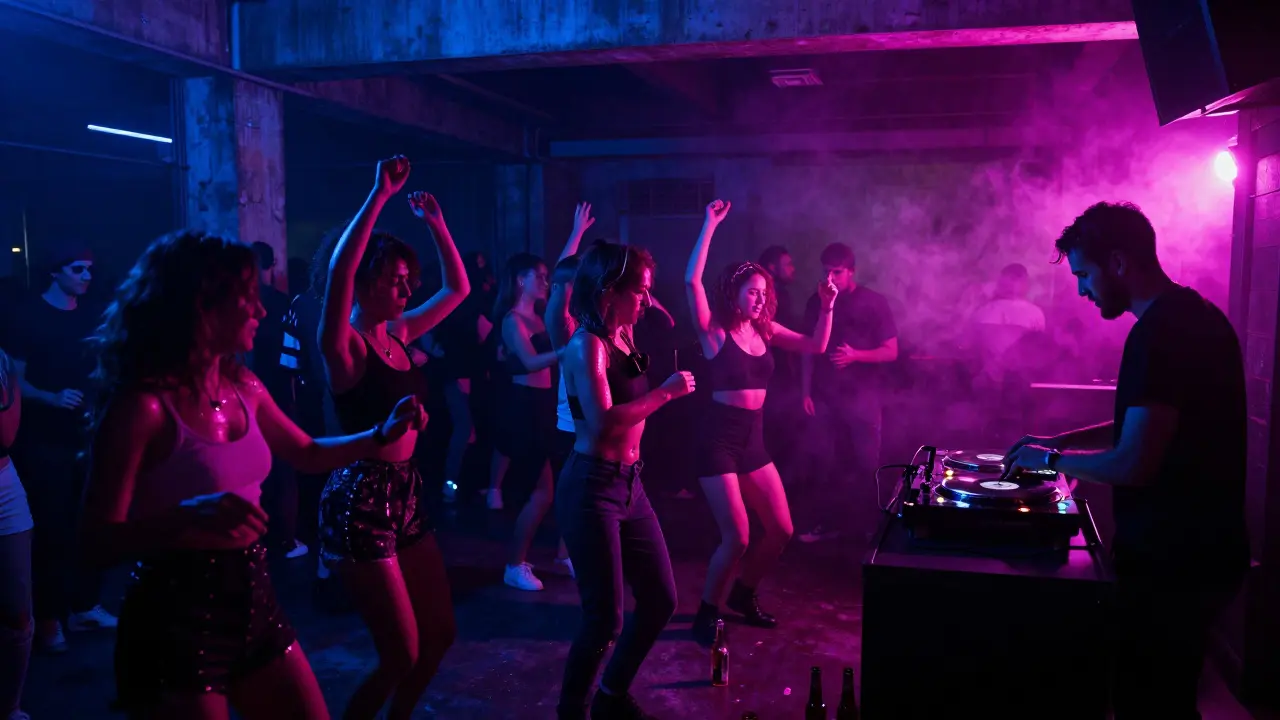
Real Milan nightlife happens at Alcatraz, a warehouse-turned-club near the train station. It’s not glamorous. The walls are concrete. The floor is sticky. But the sound system? It’s one of the best in Europe. DJs from Berlin, London, and Tokyo play here monthly. No VIP section. No bottle service. Just music, sweat, and people who came for the beats, not the brand.
Another hidden gem: Teatro del Silenzio. It’s not a club. It’s a theater that turns into a techno venue on weekends. You walk in through a side door, past a curtain, and into a room with 300 people, lasers, and a DJ spinning vinyl only. The lights stay off until the last song. Then, suddenly, they flash on-and you see everyone smiling, drenched in sweat, dancing like no one’s watching.
What to Avoid
Don’t go to Corso Como if you want to feel the real pulse of Milan. It’s stylish, yes. But it’s also overpriced, crowded with influencers, and often has a 50-euro cover charge just to stand near the door. Same goes for Leica Bar-it’s Instagram bait, not nightlife.
Also, skip the clubs that advertise “international DJs” on Facebook. Most of them are local DJs playing Spotify playlists. The real ones don’t post online. They’re booked through word of mouth. Ask a bartender. Ask a local. They’ll point you to the right place.
Timing Matters
Milan doesn’t move like New York or Berlin. Dinner starts at 9 p.m. Bars open at 10. The real crowd arrives at 11:30. Clubs don’t fill up until after 1 a.m. And if you leave before 3 a.m., you’re missing the best part.
Most places stay open until 5 or 6 a.m. on weekends. The last train to the suburbs leaves at 1:30 a.m. After that, you’re either walking, taking a taxi, or sleeping on a bench in Piazza Duomo. Locals know this. Tourists don’t. Plan accordingly.
What to Wear
Milan is fashion-forward, but not snobby. You don’t need a designer suit. But you do need to look like you care. No flip-flops. No baseball caps. No sweatpants. Jeans and a nice shirt? Perfect. A simple dress? Even better.
Men: A well-fitted jacket over a t-shirt is enough. Women: Heels aren’t required, but if you’re wearing flats, make sure they’re stylish. The city notices details.
Where to Eat After the Night
By 6 a.m., most clubs are closing. But Milan doesn’t shut down. Head to Bar Pasticceria Marchesi on Via Torino. They open at 5 a.m. and serve warm cornetti with espresso. Or try Trattoria del Cinghiale-open 24 hours on weekends. Order the risotto alla milanese and a glass of sparkling water. It’s the only thing that’ll fix you after six hours of dancing.
Don’t leave without trying the panettone from a local bakery. It’s not dessert. It’s a ritual.
Is Milan nightlife safe at night?
Yes, Milan is one of the safest major cities in Europe after dark. The main areas-Navigli, Brera, Porta Venezia-are well-lit and patrolled. Avoid isolated alleys near the train station after midnight, but stick to the main streets and you’ll be fine. Pickpockets are rare, but always keep your phone and wallet secure.
Do I need to book tables or get tickets for nightlife spots?
For bars and casual spots? No. For clubs like Alcatraz or Teatro del Silenzio? Usually not, unless there’s a special event. Some rooftop bars in the city center may take reservations for groups over four. But most places operate on a first-come, first-served basis. Show up, wait 10 minutes if it’s busy, and you’ll get in.
What’s the average cost for a night out in Milan?
You can have a full night for under €50. A cocktail costs €12-15. A beer is €6-8. A meal at 3 a.m. is €15. Clubs don’t charge cover unless it’s a themed night. Skip the tourist traps and stick to local spots-you’ll save money and have a better time.
Are there any dress codes I should know about?
Most places are smart-casual. No shorts, no sneakers, no athletic wear. A nice shirt, jeans, and clean shoes work everywhere. Some upscale bars might ask for a jacket, but they rarely enforce it. If you’re unsure, just ask the bartender when you arrive. They’ll tell you.
What’s the best night to go out in Milan?
Friday and Saturday are the busiest, but also the most authentic. Thursday nights are growing in popularity-locals call it “pre-party night.” Sunday nights are quiet but magical, especially in Navigli, where the crowd thins out and the music gets slower. If you want to feel like a local, go on a Thursday or Sunday.
Caspian Beauchamp
Hello, my name is Caspian Beauchamp, and I am an expert in the world of escort services. With years of experience in the industry, I have developed a deep understanding of the dynamics and nuances of escort services in various cities. My passion for writing has led me to share my insights and knowledge through articles and blog posts, helping others navigate the world of companionship and pleasure. I pride myself on providing honest, accurate, and engaging content that appeals to a wide range of readers. Join me as I explore the fascinating world of escorts and the unique experiences they offer in cities around the globe.